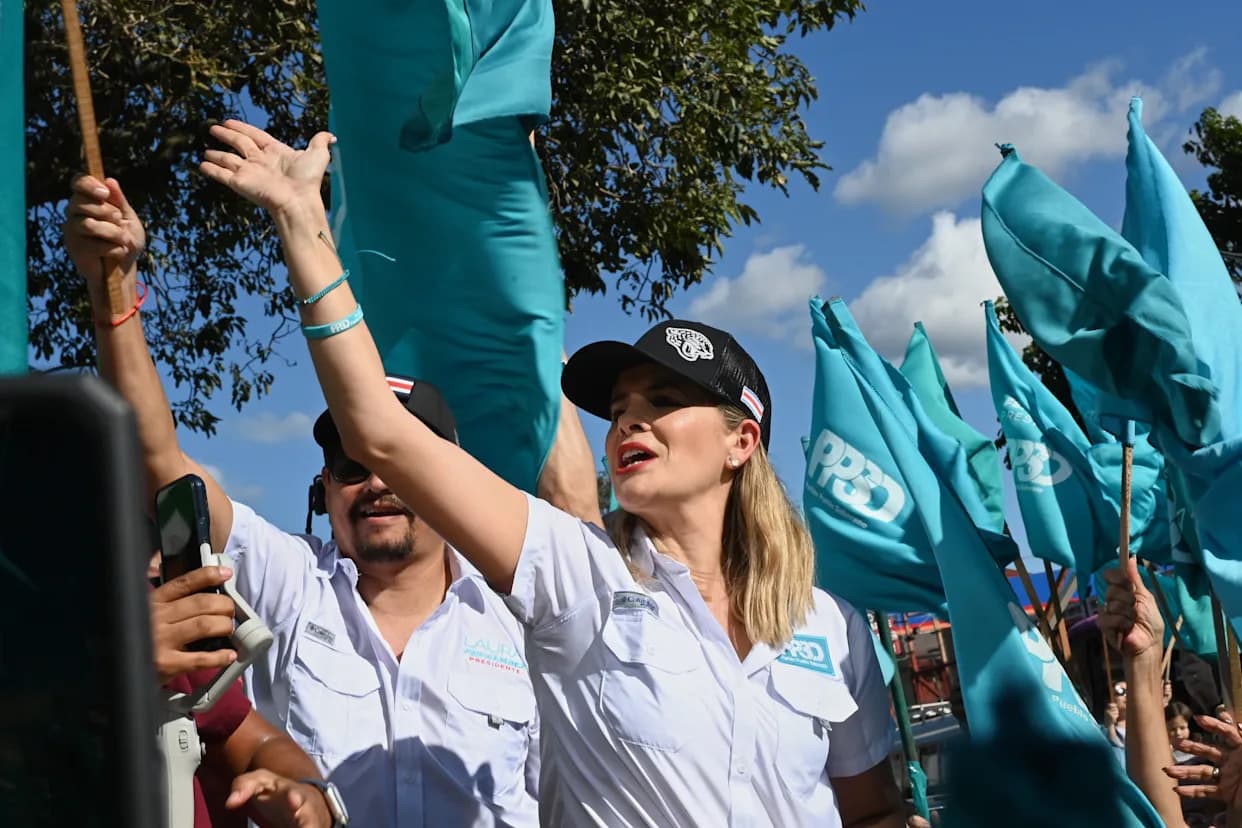
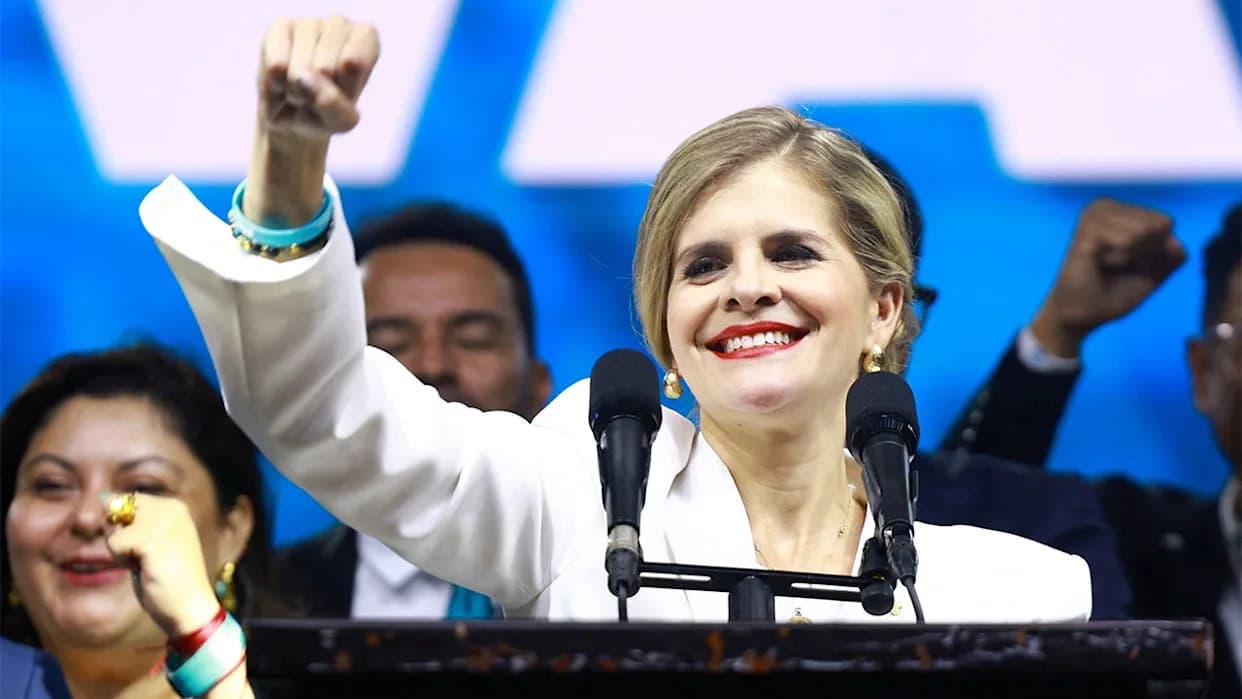
Hondurans vote on November 30 in a single-round presidential election that many observers describe as a tight three-way race between Rixi Moncada (LIBRE), Nasry “Tito” Asfura (National Party) and Salvador Nasralla (Liberal Party). Polls show the frontrunners within the margin of error, and about 18% of voters remain undecided. The campaign has been marred by allegations of irregularities and investigations into electoral bodies, and observers urge independent institutions and military restraint to safeguard the vote’s credibility.
“Real Uncertainty”: What to Watch in Honduras’s Tight Presidential Vote

Hondurans will go to the polls on November 30 in a single-round presidential election that many observers describe as a close, high-stakes contest. Incumbent President Xiomara Castro of the left-wing Liberty and Refoundation (LIBRE) party is barred by law from seeking re-election, and three candidates have emerged as the main contenders without a clear lead in the polls.
Candidates and platforms
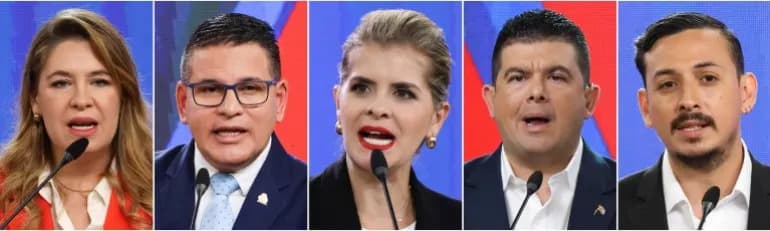
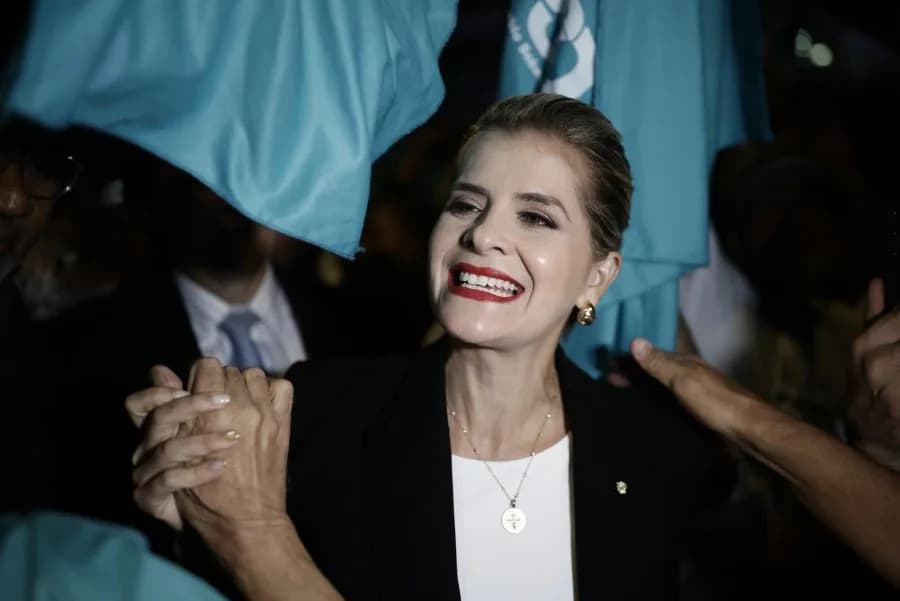
Rixi Moncada (LIBRE) — A close ally of President Castro, Moncada served as finance minister (2022–2024) and later as secretary of defence before resigning in May to run for president. Her platform opposes further privatization of state services, promises to "democratize the economy," expand access to credit for small businesses and pursue stronger action against corporate corruption.
Salvador Nasralla (Liberal Party) — A veteran politician and former civil engineer, Nasralla is running for president for the fourth time. He briefly served as Castro’s vice president before resigning in April 2024. He has campaigned on streamlining government operations and formalizing large segments of the country’s informal workforce.
Nasry “Tito” Asfura (National Party) — A former mayor of Tegucigalpa and national legislator, Asfura presents himself as an administrator focused on pro-business policies to attract investment and improve governance efficiency.
Timing, voters and procedure
The presidential vote is scheduled for November 30 in a single round; the candidate with the most votes will be declared the winner and is expected to take office on January 25, 2026. Honduran presidents serve a single four-year term. About 6.5 million Hondurans are eligible to vote, including roughly 400,000 living abroad (who may vote only for the presidency). Voting is compulsory on paper, but no penalties are enforced for abstention.
Polls and political context
Pre-election polls show a tight three-way race. A September survey by CID Gallup placed Salvador Nasralla at 27%, Rixi Moncada at 26% and Nasry Asfura at 24% — differences within the poll’s margin of error — while roughly 18% of respondents remained undecided.
Electoral concerns and institutional strain
The campaign has been clouded by allegations of fraud and procedural irregularities that have raised public concern. During March’s primaries, authorities documented problems distributing materials; some polling sites experienced long delays and staffing shortages. Tensions have grown between Honduras’s two electoral bodies — the National Electoral Council (CNE) and the Electoral Justice Tribunal — both of which have been the subject of recent investigations.
“Honduras is heading into these elections amid mounting political pressure on electoral authorities, public accusations of fraud from across the political spectrum, and paralysis within key electoral bodies,” said Juanita Goebertus, director of the Americas division at Human Rights Watch. “These dynamics have created real uncertainty about the integrity of the process.”
In October, prosecutors opened a criminal inquiry into CNE leader Cossette López over alleged plans for an "electoral coup." Separately, the Joint Staff of the Armed Forces requested a copy of the presidential vote tally sheet from the CNE on election day, prompting concerns about possible military involvement in the electoral process. The Electoral Justice Tribunal has also faced scrutiny over procedural claims.
International attention and endorsements
In the campaign’s final days, U.S. President Donald Trump publicly endorsed Nasry Asfura and framed the Honduran race as part of a broader regional struggle against left-wing leaders such as Venezuela’s Nicolás Maduro. Analysts and observers say claims that Maduro is directly responsible for spreading left-wing governments or for drug trafficking operations in the region lack credible evidence. International groups including Human Rights Watch and the Organization of American States (OAS) have urged that electoral authorities be allowed to operate independently and that the armed forces respect their constitutional limits.
What’s at stake
Beyond determining Honduras’s next president, the election will test the credibility of the country’s democratic institutions and could influence foreign-policy orientation: Moncada is expected to continue outreach to partners such as China and regional left-leaning governments, while Nasralla and Asfura have signaled a tilt toward closer ties with the United States and its partners. Observers say transparent, independent elections and restraint from partisan and military interference will be crucial to avoid escalation and to preserve public trust.
Help us improve.