Nigel Farage is under renewed scrutiny after multiple former Dulwich College classmates accused him of racist and antisemitic behaviour in the 1970s. Farage denies the specific allegations, apologises if anyone was hurt, and describes some conduct as "playground banter". More than a dozen former pupils have shared accounts, and political analysts say the claims are likelier to reinforce already polarized views than to shift large numbers of voters. Separate controversies within Reform UK are adding to pressure on the party.
Nigel Farage Faces Renewed Scrutiny After Former Classmates Allege Teenage Racism and Antisemitism

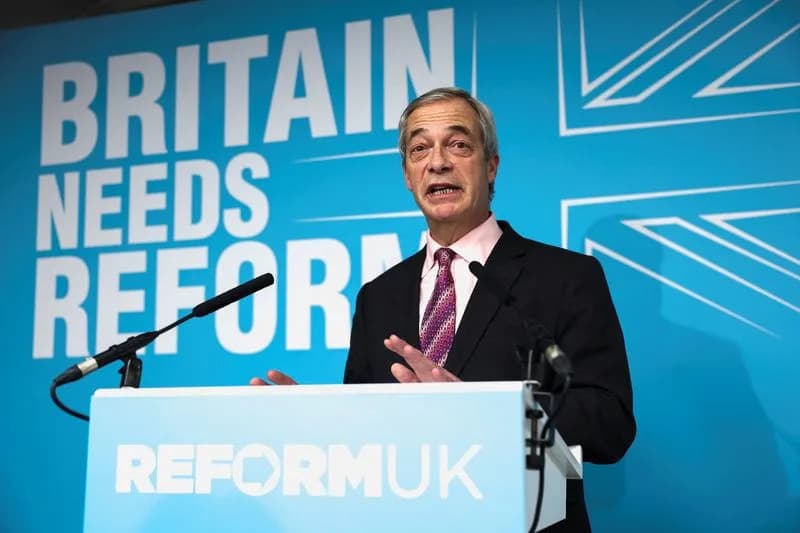
Nigel Farage, leader of the Reform UK party and a current polling frontrunner to become Britain’s next prime minister, is facing renewed scrutiny after several former schoolmates accused him of racist and antisemitic behaviour while a pupil at Dulwich College in the 1970s.
Film director Peter Ettedgui, who is Jewish, says that as teenagers Farage would "sidle up to me and growl: 'Hitler was right,' or 'gas them', sometimes adding a long hiss to simulate the sound of the gas showers." More than a dozen former pupils have since provided accounts describing offensive language and behaviour from Farage during his school years.
"He would sidle up to me and growl: 'Hitler was right,' or 'gas them'," said Peter Ettedgui, who reported the incidents from his time at school.
Farage has denied the specific allegations. In public statements he described himself as "genuinely sorry" if anyone was hurt, insisted he "never, ever, ever would have said or done anything like that directly to a human being," and called some past conduct "banter in a playground" that might be judged differently in the modern day. He has also issued a categorical denial that he said the precise words attributed to him as a 13‑year‑old.
Accounts from former classmates include claims that Farage led or joined in racist songs, performed an allegedly Nazi-style salute, and as a prefect once punished a boy because of his skin colour. Some of these stories have been mentioned in earlier reporting by journalists who tracked Farage's past conduct.
Political context and potential impact
Reform UK, which won its first MPs in last year’s general election, has seen rising support in some polls. Farage’s elevation to the role of parliamentary and party frontrunner has brought renewed attention to his personal history and behaviour.
Robert Ford, professor of politics at Manchester University, says the resurfaced allegations are more likely to reinforce existing, polarised views of Farage than to shift large numbers of voters. "He's always been a figure who's free to roam the margins. This is a different ball game," Ford observed, noting that opponents will use the story to underline long-standing criticisms while supporters may dismiss it as settled or exaggerated.
Other controversies within Reform UK are also feeding scrutiny. The party’s former leader in Wales, Nathan Gill, was recently sentenced to more than 10 years in prison after admitting he was paid to make pro-Russian statements in the European Parliament, a development critics say raises questions about the party’s internal culture and messaging.
Prime Minister Keir Starmer said the allegations exposed worrying elements within Reform UK and accused the party of harbouring problematic tendencies. Supporters of Farage, many of whom prioritise nationalist policies and a strong stance on Ukraine, have largely defended him or said the historical claims do not reflect current politics.
As the story develops, investigators and commentators will be watching how voters react: whether the resurfaced accounts change perceptions of Farage among undecided voters, or simply deepen the existing divisions that surround his public profile.
Help us improve.