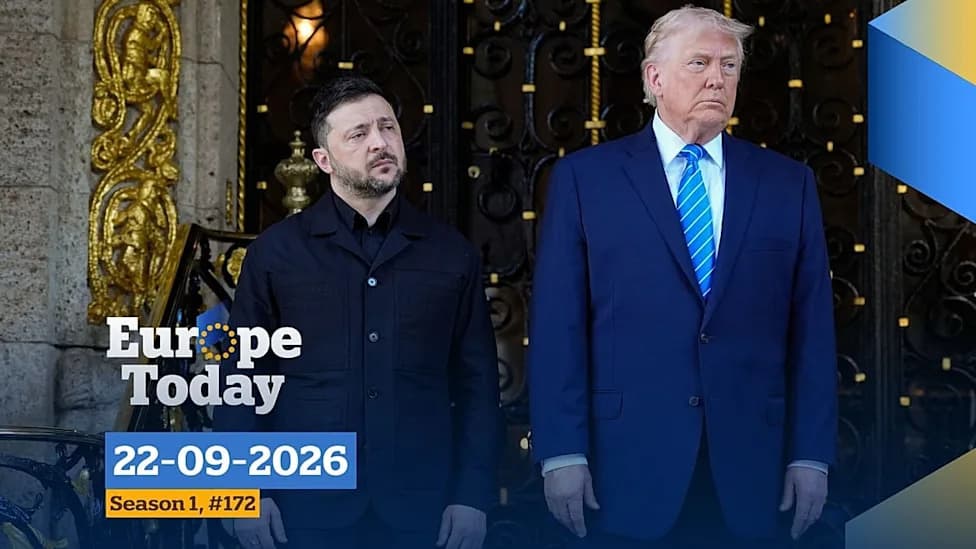
President Volodymyr Zelensky faces a wrenching choice: accept a Trump-brokered peace plan that could cede parts of Donbas to Russia, or refuse it and risk losing vital US intelligence and weapons. The initial 28-point draft was pared to 19 points but left territorial questions unresolved and offered no firm promise to pursue alleged war crimes. With roughly 800,000 troops, dwindling European funds, and survivors demanding justice, a Russian rejection of the plan could politically spare Mr Zelensky by placing blame on Moscow.
Zelensky’s Agonising Choice: Trump’s Peace Plan vs Ukraine’s Honor and Security

Standing outside his Kyiv office on Bankova Street, President Volodymyr Zelensky presented Ukrainians with a stark dilemma: preserve national honour or retain crucial US backing. The setting carried symbolism — the same spot where, almost four years earlier, he replied to offers of evacuation with the now–famous line:
“I need ammunition, not a ride.”
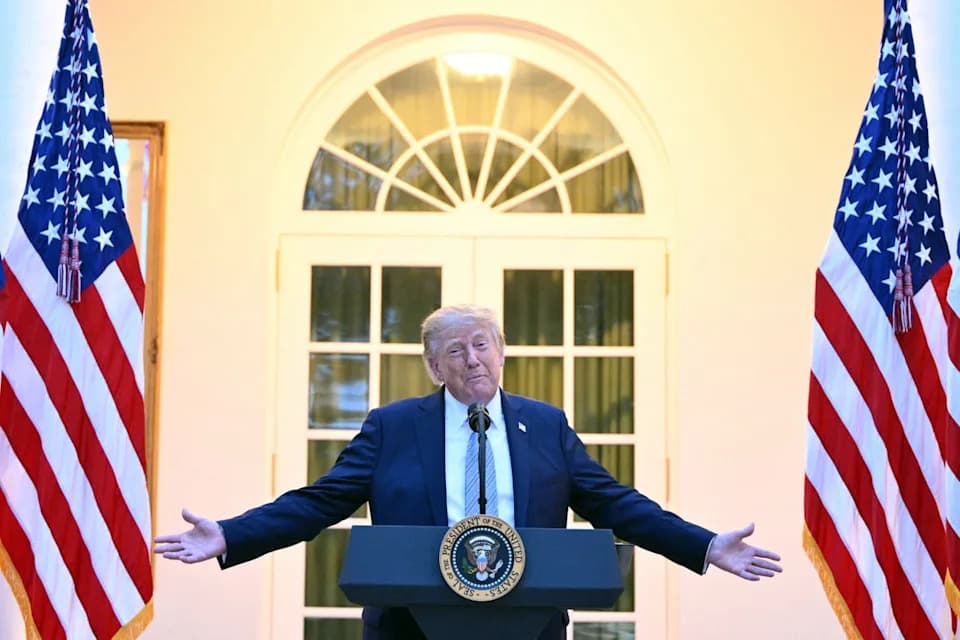
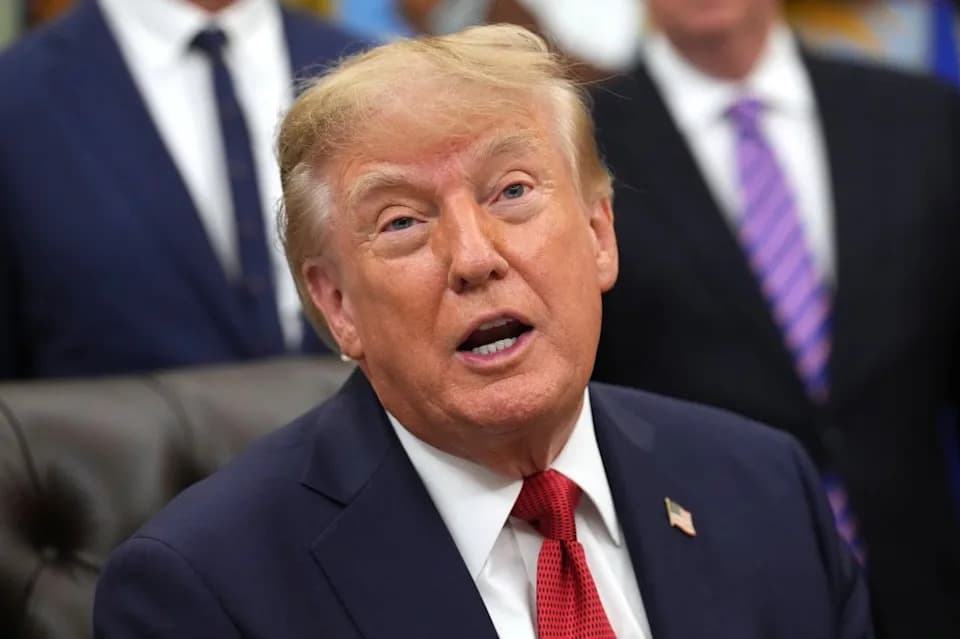
Now, amid a growing corruption scandal and a deteriorating eastern front, Mr Zelensky faces intense pressure from former US president Donald Trump to sign a US-brokered peace proposal. Accepting the package in its initial form would likely require ceding large parts of Donbas to Russia — a move that could permanently damage his reputation at home and erase comparisons to wartime leaders.
The proposals and the political calculus
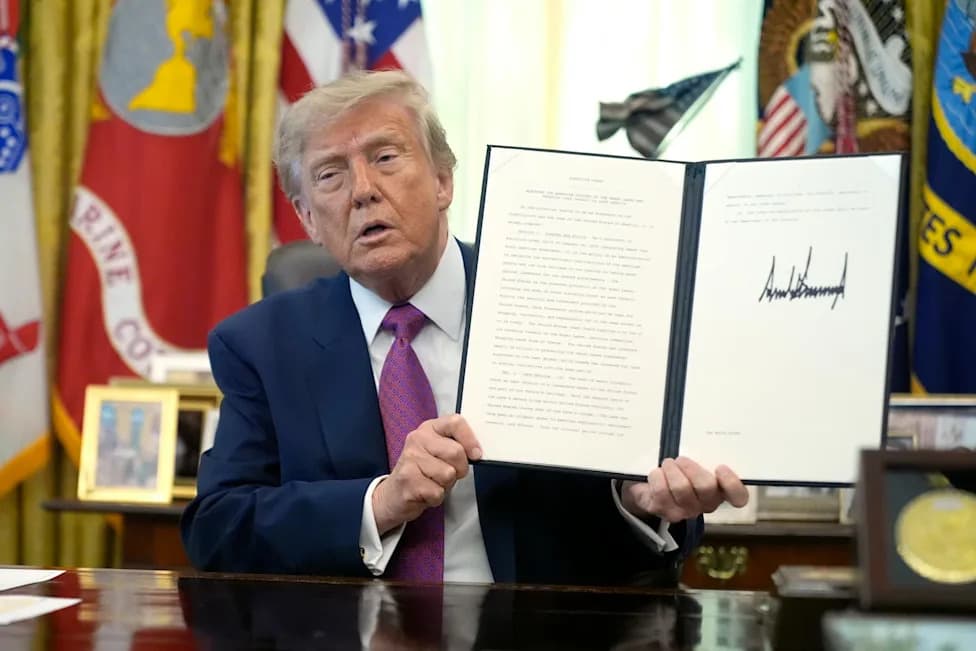
Mr Trump’s team initially circulated a 28-point plan, modelled in part on a ceasefire framework used elsewhere, that included significant concessions to Moscow. After public uproar and emergency talks in Geneva, Kyiv helped negotiate a narrowed 19-point draft. But crucial questions remain: the most sensitive issue — territorial control — was left blank and deferred to direct talks between Mr Zelensky and Mr Trump, and there is no clear guarantee that alleged war crimes will be prosecuted.
That omission places enormous pressure on Mr Zelensky. If he accepts terms requiring withdrawal from contested areas, many Ukrainians would view it as a betrayal of the soldiers who fought and the civilians who suffered. If he refuses, he risks losing vital US intelligence and weapons support — potentially prolonging the war with dwindling European funds.
On the ground and at the ballot box
Some 800,000 Ukrainian servicemen and women are currently in uniform, and countless families have paid the ultimate price. There is no guarantee that front-line units, especially in Donetsk, would acquiesce to an order to withdraw. Back in Kyiv, any peace deal would likely be followed by an election that could act as a de facto referendum on the accord. Polling suggests Mr Zelensky’s party has lost some ground: a Nov. 21 Socis poll indicated a potential bloc around former commander Valerii Zaluzhnyi could outpoll the president’s party.
Even without a change of leadership, veterans will press for special recognition and rights, creating a complex two-tier dynamic in post-war politics. Those who fought under commanders like Mr Zaluzhnyi could expect strong representation and demands that shape Ukraine’s future direction.
Justice, survivors and contested concessions
Civilians who endured occupation and alleged abuses will demand accountability. Olena Yahupova, 53, from Zaporizhzhia, remained when Russian forces arrived; her husband fought, while she says she was later detained and tortured in Russian-controlled custody. Survivors like her insist Western governments pursue those responsible for wartime atrocities — potentially up to national leaders — and reject any blanket amnesty that would preclude prosecutions.
Earlier drafts of the US proposal reportedly included broad amnesties for wartime actions; later versions acknowledge "the grievances of those who suffered in the war" but stop short of promising concrete legal action. For many Ukrainians, any deal that eases Moscow’s accountability will be intolerable.
International dynamics and the likelihood of rejection
European governments have increased their support for Ukraine but face financial limits. The EU has not yet secured unanimous backing among its 27 members for a €140bn plan that would use frozen Russian assets to support Kyiv. Meanwhile, leaked phone transcripts and media reports about US envoys engaging with Russian interlocutors have fed suspicions about back-channel negotiations on both sides.
Some Western advisers have quietly worked to reshape the US proposal in Kyiv’s favour. The combined process — publicised drafts, diplomatic haggling and leaked conversations — has the effect of producing a plan that may be intended to be rejected by Moscow. A Russian refusal would let Mr Trump present himself as the peacemaker blocked by Moscow, relieving Mr Zelensky of making an immediate, politically ruinous concession.
The stakes could not be higher. The choice pits national honour, veterans’ demands and survivors’ calls for justice against the geopolitical reality of limited Western appetite for open-ended support. Whichever path Mr Zelensky chooses will profoundly shape Ukraine’s future, its territorial integrity, and the prospects for accountability after the conflict.
Help us improve.