Seven military law experts say threats to recall Senator Mark Kelly to active duty or court‑martial him for urging troops to refuse unlawful orders face significant legal and procedural obstacles. Military prosecutions require multiple investigative steps and legal sign‑offs, and protections such as the Speech or Debate Clause and safeguards against unlawful command influence strengthen Kelly’s defenses. While courts have sometimes tried retired service members for post‑service conduct, experts view a successful prosecution of Kelly as unlikely.
Experts: Threats to Recall and Court‑Martial Sen. Mark Kelly Face Major Military‑Law Hurdles

By Tom Hals, Jack Queen and Nathan Layne
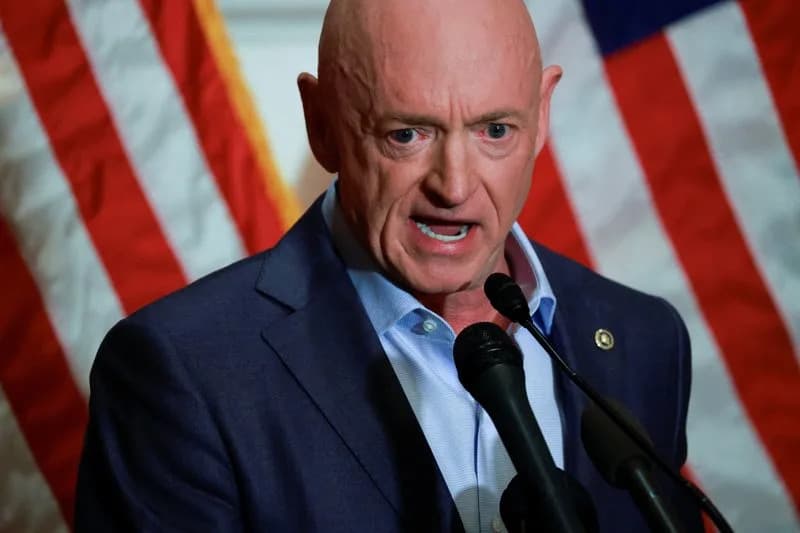
Threats from the administration to recall Senator Mark Kelly to active Navy duty or prosecute him under the military justice system for urging service members to refuse illegal orders would encounter significant procedural and constitutional obstacles, seven military law experts said.
What happened
Kelly and five other Democratic lawmakers with military or intelligence backgrounds posted videos urging troops to disobey unlawful orders — comments President Trump called "dangerous" and "seditious." The FBI and the Department of Defense have opened inquiries into the remarks.
Why prosecution would be difficult
Military prosecutions typically proceed only after multiple layers of investigation and legal review, experts note. An officer must be appointed to investigate and recommend prosecution, a senior officer conducts a separate review and seeks legal advice, and a military judge presides over an initial hearing to determine whether charges can move forward. Those safeguards make it hard for weak or politically driven cases to survive.
“The likelihood of this getting any traction in the military justice system is essentially zero,” said Eugene Fidell, who teaches military justice at Yale Law School.
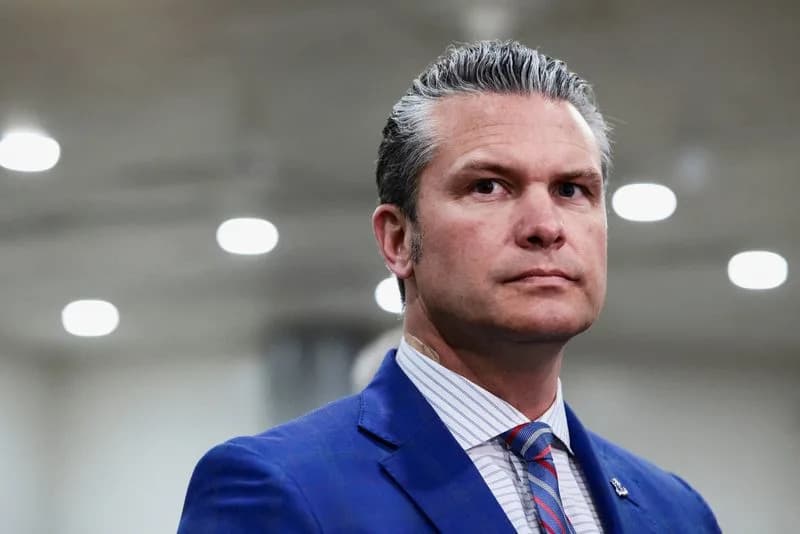
Victor Hansen, a former military prosecutor and professor at New England Law Boston, emphasized the gap between public threats and an actual court-martial. “It would be a mistake to assume that Pete Hegseth can by fiat say, ‘OK we’re going to court-martial.’ That's not going to happen,” he said.
Legal defenses and protections
Legal experts say Kelly has several strong defenses. He could argue his remarks were protected political speech under the First Amendment because he did not explicitly incite troops to disobey orders but spoke in general terms about legal rights. Members of Congress also enjoy constitutional protections for official acts under the Speech or Debate Clause, which Georgetown law professor Stephen Vladeck cited as bolstering Kelly’s immunity claim.
There are additional safeguards in the military justice system against "unlawful command influence" — the risk that public statements from senior officials could prejudice the process. "There's an enormous unlawful influence issue in the case already, and the case hasn't even begun," Fidell said, referring to public comments by the president and Defense Department officials.
Precedent and limits
While using courts-martial to prosecute veterans for conduct after service has precedent — notably the 2016 conviction of retired Marine Staff Sergeant Steven Larrabee for a post-service sexual assault, a decision later upheld on appeal — experts said that precedent does not make a successful prosecution here likely given the legal and procedural protections at play.
Kelly has defended his remarks publicly. On MSNBC he said: "I am not going to be silenced. I am not going to be intimidated."
Even if a convening authority ultimately referred the matter to court-martial — a step that, in theory, could involve senior officials such as the defense secretary — Kelly would have multiple avenues to challenge jurisdiction, raise constitutional defenses and seek dismissal.
Bottom line: Legal scholars widely regard the prospect of successfully recalling and court-martialing a sitting senator for urging troops to refuse illegal orders as unlikely to succeed given the layered protections in the military justice system and constitutional immunities for members of Congress.
Help us improve.