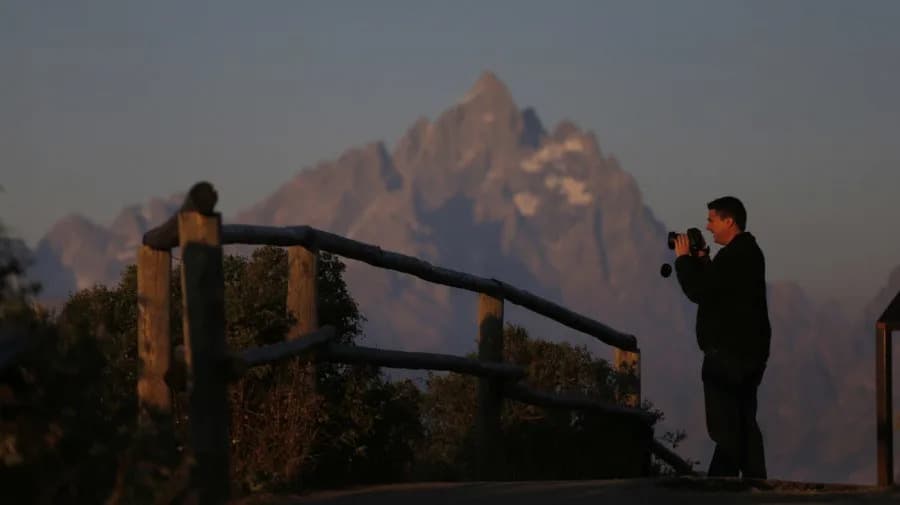
The U.S. Department of the Interior announced that, beginning in 2026, most international visitors to 11 of the nation's most-visited national parks will be charged an additional $100 surcharge on top of regular park entrance fees. At the same time, the cost of an annual "America the Beautiful" pass for non-U.S. residents will increase to $250, up from the current $80.
The 63 officially designated national parks are a major draw: the National Park Service recorded nearly 332 million visits in 2024. Officials say the measures are intended to help preserve park resources and keep access affordable for U.S. taxpayers.
How the new fees will work
The surcharge applies to foreign visitors entering 11 of the system's most-visited parks, which the department identified to include sites such as the Grand Canyon, Yellowstone, Yosemite, the Everglades and Acadia. Day-use fees will continue to vary by park (some charge per vehicle, others per person).
Non-U.S. residents who purchase the annual pass will not be charged the $100 surcharge when entering the named top-visited parks; however, the surcharge will still apply to foreign visitors who do not hold the nonresident annual pass and to visits at other parks not included in the 11-site list. U.S. citizens and lawful permanent residents are not affected by the surcharge.
"President Trump's leadership always puts American families first," said Secretary of the Interior Doug Burgum. "These policies ensure that U.S. taxpayers, who already support the National Park System, continue to enjoy affordable access, while international visitors contribute their fair share to maintaining and improving our parks for future generations."
Additional changes and context
The department also highlighted designated fee-free days for U.S. residents, including President's Day, Veterans Day and the President's birthday observance on Flag Day. Officials frame the policy as following an executive order issued in July aimed at prioritizing protections for "American families." Critics and supporters are expected to debate the equity and tourism impacts of the change ahead of its 2026 start.
Officials say the additional revenue will support care, maintenance and visitor services across the park system. Details on enforcement, exemptions and exactly which 11 parks are included will be released by the Interior Department before the policy takes effect.