Summary: President Trump labeled Sen. Mark Kelly’s video urging troops to refuse unlawful orders "seditious," and the Pentagon opened an inquiry. Legal experts say Kelly’s message restates established law, and his status as a retired officer and sitting senator creates strong constitutional and jurisdictional defenses. Past failed prosecutions tied to the administration and the relative professionalism of military courts make a successful military prosecution unlikely. The episode illustrates alarming rhetoric but also institutional and practical limits on converting that rhetoric into legal action.
Why Trump’s Charge That a Former Astronaut Committed Treason Sounds Alarming — but Is Legally Weak

Overview: President Trump’s public denunciation of Senator Mark Kelly — calling a video urging service members to refuse unlawful orders “seditious behavior by traitors” and noting that sedition is “punishable by death” — is rhetorically menacing. But legal experts say the threat of prosecuting Kelly, a retired Navy officer and sitting senator, faces steep constitutional and jurisdictional obstacles.
What happened
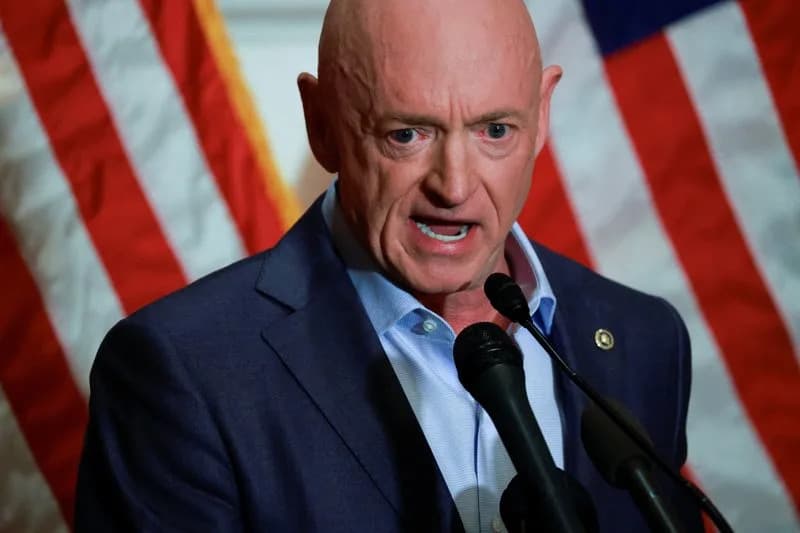
Sen. Mark Kelly appeared in a short video with five other lawmakers who have national-security backgrounds. Addressing active-duty personnel, they warned that some of the administration’s policies could put military and intelligence professionals in a position where they might receive unlawful orders, and reminded service members of their right — and potentially their duty — to refuse such orders.
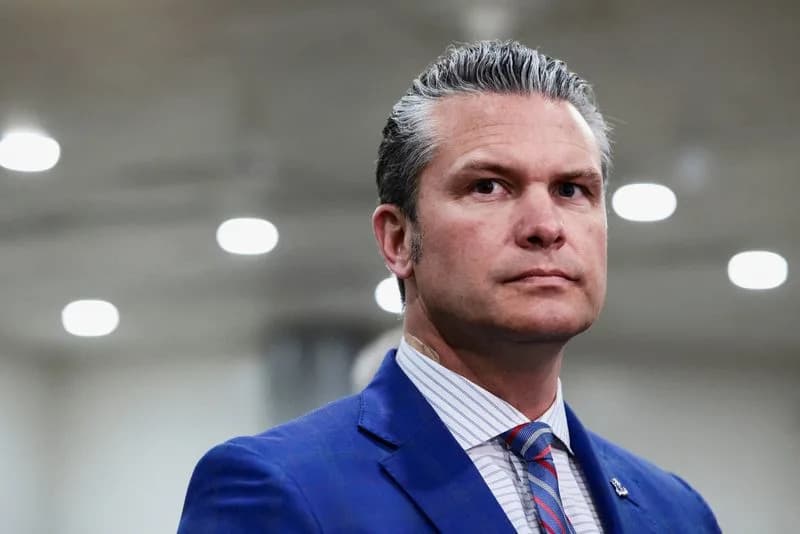
Mr. Trump reacted angrily on Truth Social, calling the video "seditious behavior by traitors" and noting sedition is a crime "punishable by death." Days later, Secretary of Defense Pete Hegseth announced a Pentagon inquiry, saying Kelly could potentially be recalled to active duty and prosecuted under the Uniform Code of Military Justice (UCMJ) for allegedly undermining "good order and discipline."
Why the threat sounds serious — and why it likely won’t succeed
On its face, a president calling opposition lawmakers traitors and invoking the possibility of military prosecution looks like classic authoritarian intimidation. But military-law scholars and constitutional experts point to multiple legal barriers that make this particular threat implausible.
Key legal obstacles
1. The speech itself is legally defensible. Kelly’s message largely restated a widely taught legal principle: service members may refuse unlawful orders. He did not identify any specific order from the president or Pentagon officials as illegal; he warned about potential risks. Reminding troops of that legal standard is routine for military lawyers and trainers.
2. Kelly is a retired officer. Prosecuting retired personnel for statements made after leaving active duty is historically rare, and it is uncertain whether the relevant UCMJ provisions apply to retirees in this context.
3. Senatorial immunity under the Speech or Debate Clause. Article I of the Constitution protects lawmakers for statements made as part of their legislative duties. Courts have extended that protection to certain public statements outside the chamber when they are connected to official legislative activity. Several experts believe Kelly’s video falls within those protections.
Putting those three hurdles together, a military prosecutor would need to persuade a court that a retired officer’s accurate description of the law violated UCMJ rules meant for active-duty members and that constitutional legislative immunity should not apply. Legal scholars describe that as a steep—and likely losing—argument.
Context: a pattern of politically fraught prosecutions
The proposed inquiry into Kelly follows a series of high-profile legal attempts tied to the administration that have faltered in court. Recent examples include the dismissal of indictments in cases involving James Comey and New York Attorney General Letitia James due to procedural defects in the prosecutor’s appointment, an acquittal of Charles Dunn (the so‑called "Sandwich Guy"), and several failed efforts to secure indictments against anti‑ICE protesters. These setbacks underscore the difficulty of converting political animus into successful criminal charges.
Military tribunals are not show trials in U.S. practice; they are staffed by trained judges and attorneys and operate within established legal norms. Some observers even argue recent reforms have made aspects of the military justice system more favorable to defendants than certain civilian courts. That institutional professionalism creates another barrier to politically motivated prosecutions.
Institutional limits and competence
Attempting to reshape the justice system to punish critics requires convincing a broad set of actors — prosecutors, jurors, and judges — to abandon long-standing legal procedures. Authoritarian consolidation of courts, as seen in other countries, typically takes sustained time and effort and often depends on replacing many officials with loyalists who are also competent enough to execute complex legal strategies. Experts warn that prioritizing loyalty over competence often produces underqualified officials who cannot successfully carry out such plans.
Observers quoted include retired Marine Corps attorney Mick Wagoner, who called it "hard to see" the case progressing; former military lawyer Charlie Swift, who noted Kelly’s statement was a "true statement of the law" likely covered by the Speech or Debate Clause; and civil-military scholar Steve Saideman, who warned that the administration’s threats may fizzle once officials recognize how uncontrollable such a process could become.
Bottom line
The rhetoric from the White House is alarming and part of a broader pattern of aggressive attacks on critics. But constitutional protections, jurisdictional limits on military law, the routine nature of Kelly’s warning, and a record of recent prosecutorial failures make it unlikely that a credible military prosecution of a sitting senator will succeed. That does not eliminate the political danger of such rhetoric — it can still intimidate and polarize — but the legal case appears weak.
Help us improve.