Indiana Republican leaders have reversed an earlier decision and will reconvene in December to consider a Trump-backed congressional map, with the House meeting Dec. 1 and the Senate scheduled to return a week later. The move follows mounting pressure from former President Trump, who has urged redrawings to protect the GOP’s slim House majority and threatened to back primary challengers against opponents. With Republicans holding seven of nine Indiana seats and Democrats needing to flip three seats to win a majority, even modest map changes could affect control of the House in the 2026 midterms.
Indiana GOP Reverses Course — Will Consider Trump-Backed Congressional Map in December

By Joseph Ax
In a sudden shift, Indiana Republican leaders announced they will reconvene the state legislature in December to consider a new congressional district map advocated by former President Donald Trump. House Speaker Todd Huston said the Indiana House will meet on Dec. 1 to take up redistricting, and Senate Republican leader Rodric Bray said the Senate will return a week later to consider any plan the House passes.
Bray had earlier indicated the Senate would not hold a December session because of insufficient support for a new map, a stance that had appeared to blunt a nationwide push by Trump for mid-decade redrawings. The change of course raises questions about whether previously reluctant senators have shifted under pressure.
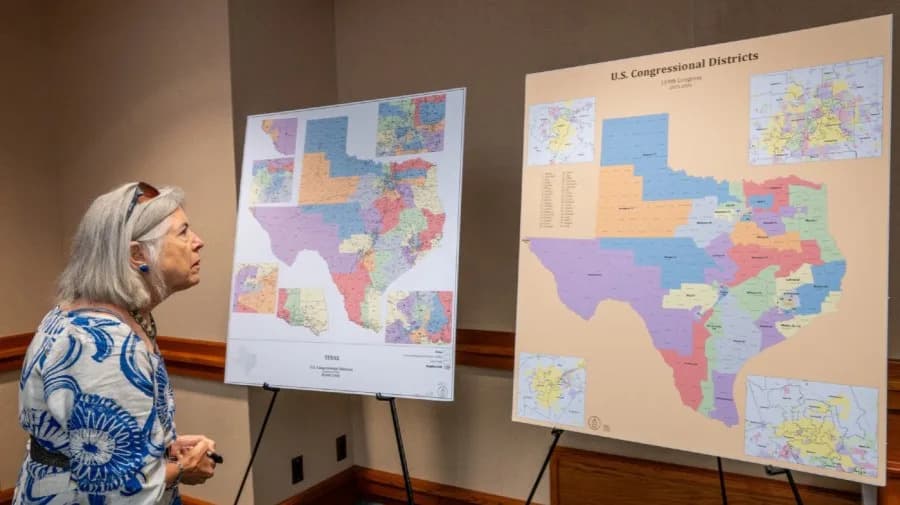
Trump has urged Republican-led states to redraw congressional boundaries to favor GOP candidates and protect the party’s narrow majority in the U.S. House. He has publicly threatened to support primary challengers against Republican lawmakers who oppose new maps and reiterated that pressure in a lengthy social media post, writing that he hopes “the Senate finds the votes.”
Why it matters
Mid-decade redistricting is uncommon; maps are typically redrawn once every ten years after the U.S. Census. This cycle has been unusual, with both Republican-led states such as Texas and Democratic-led states such as California pursuing contested changes to congressional lines. Even small adjustments can have outsized national effects: Democrats would need to flip three Republican-held seats to win a House majority, so modest map changes in a few states could influence control of the chamber in the 2026 midterm elections.
Republicans currently hold seven of Indiana’s nine U.S. House seats, making any revision to district lines potentially significant for the national balance of power.
Help us improve.