Golden Dome has moved into its prototype phase: the U.S. Space Force awarded roughly six small contracts to develop space-based interceptors and supporting fire-control systems. Reported recipients include Northrop Grumman, True Anomaly, Lockheed Martin and Anduril, though the Space Force did not publicly name contractors for sub-$9 million awards. The procurement includes incentive "prize pools" — a $340 million pot for on-orbit demonstrations — and production contracts could range from $1.8 billion to $3.4 billion per year, while industry estimates single-prototype costs between $200 million and $2 billion.
Space Force Accelerates 'Golden Dome' Program — Small Awards Kick Off Race for Space-Based Missile Interceptors

The U.S. Space Force has issued roughly half a dozen small contracts under its Golden Dome effort to develop competing space-based missile-defense prototypes, according to sources familiar with the program. The awards launch an early-stage competition that could lead to much larger production contracts in the years ahead.
Sources named several companies reported to have won work, including Northrop Grumman, True Anomaly, Lockheed Martin and Anduril. A Space Force spokesperson confirmed that awards were made but declined to publicly identify contractors for contracts below the $9 million public-disclosure threshold.
What the awards cover
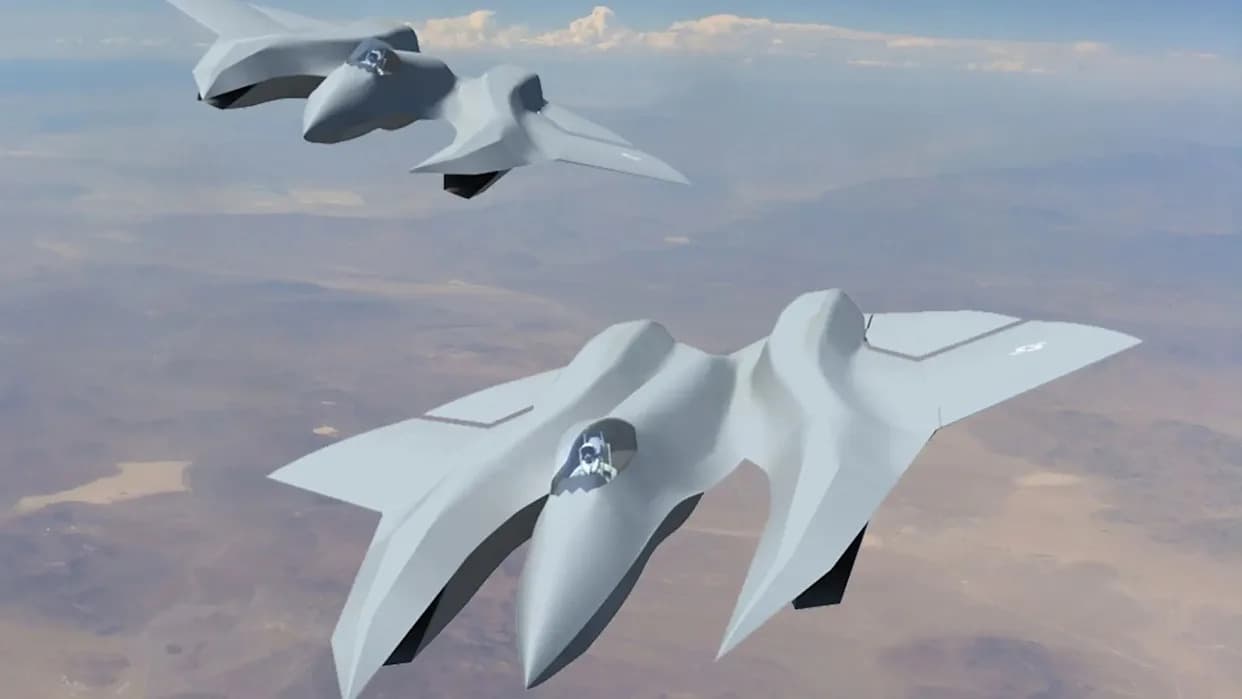
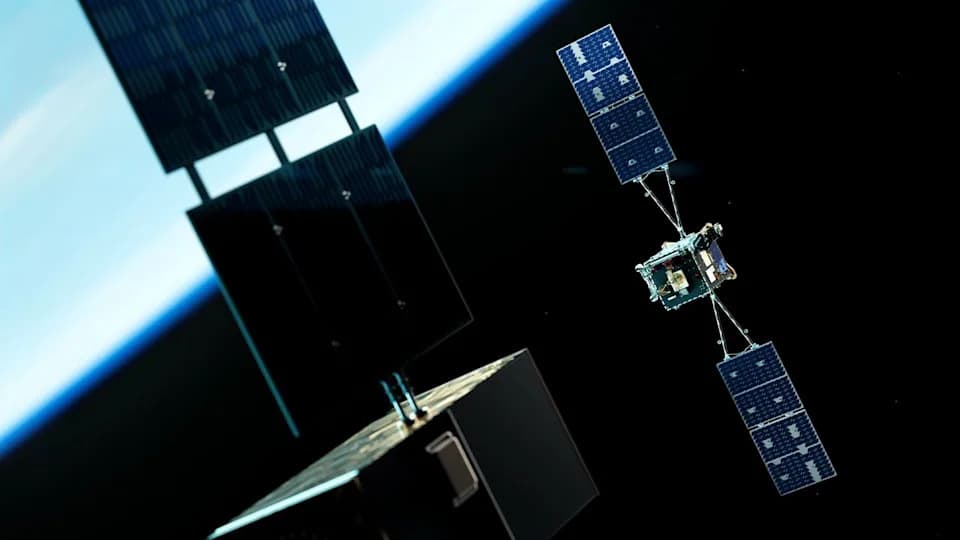
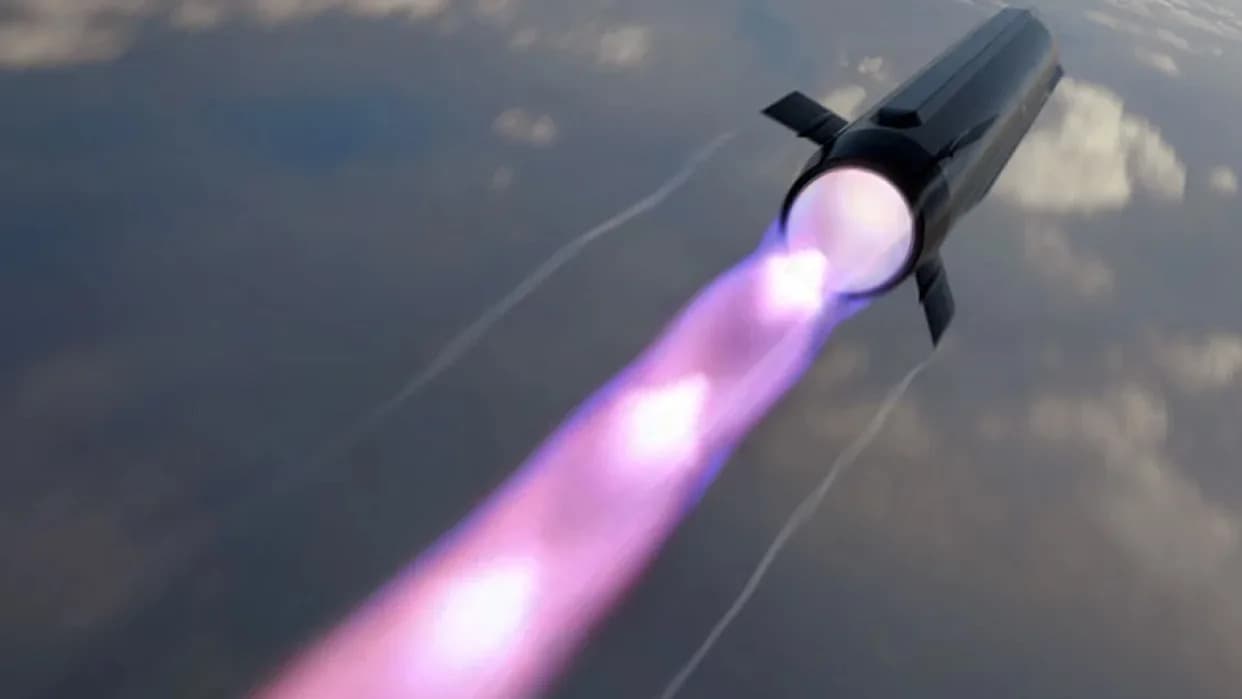
The contracts fund development of prototype space-based interceptors and the fire-control systems that will aggregate satellite data, coordinate signals and direct interceptor launches. These so-called phase interceptors are designed to engage ballistic threats as they climb into or transit space, enabling earlier interception than existing ground-based defenses.
Award values, prize pools and procurement structure
Reuters reviewed a July Pentagon presentation that suggested some interceptor award values—an estimate near $120,000 each for certain line items—though the total size of the small awards has not been independently confirmed. That same briefing listed $10 million values for awards to Northrop Grumman and Anduril, according to sources. The Space Force has structured competitions with "prize pools" to accelerate development: the largest pool is $340 million to be split among firms that complete an on-orbit test, with the top prize at $125 million and a fifth-place award at $40 million.
Originally, the government sought designs across four interceptor variants to address threats at different altitudes and speeds; a third source indicated those four pools may be consolidated into three as the effort advances.
Program scale and industry costs
Plans presented to industry estimate potential production contracts in the range of $1.8 billion to $3.4 billion per year. Industry executives caution, however, that developing and testing a single space-based interceptor prototype could cost roughly $200 million to $2 billion, depending on design, testing needs and schedule.
Why it matters
Placing interceptors in orbit represents a doctrinal shift for missile defense: it aims to engage threats earlier in their flight paths and expand defensive options beyond ground-based sensors and interceptors. These initial small awards set the stage for multiple vendors to compete for much larger follow-on production contracts.
Sources: program briefing and industry and government sources. Reporting: Mike Stone.
Help us improve.