The article analyzes Donald Trump’s threat to sue the BBC for $1–$5 billion over a Britain-only documentary that critics say spliced his Jan. 6 speech. It explains why libel suits can backfire: lawsuits publicize the dispute, truth is a defense, and public figures must prove "actual malice." Jurisdictional questions, lack of U.S. publication, and prior accounts that fault Trump for incitement make a successful suit unlikely, though settlement pressure remains a real factor.
Why a Libel Suit Against the BBC Could Backfire on Trump — Legal and Strategic Risks

Donald Trump has threatened to sue the BBC for libel, claiming between $1 billion and $5 billion in damages over a documentary broadcast only in Britain shortly before the November 2024 presidential election. He alleges the program contained "false, defamatory, disparaging and inflammatory statements" about him.
Legal advisers warn that libel litigation can be hazardous. A lawsuit can amplify the alleged defamation, and truth is an absolute defense. Suing also invites intense scrutiny: discovery can expose detailed records and prompt a re-examination of events the plaintiff would rather not relitigate publicly.
What the dispute centers on
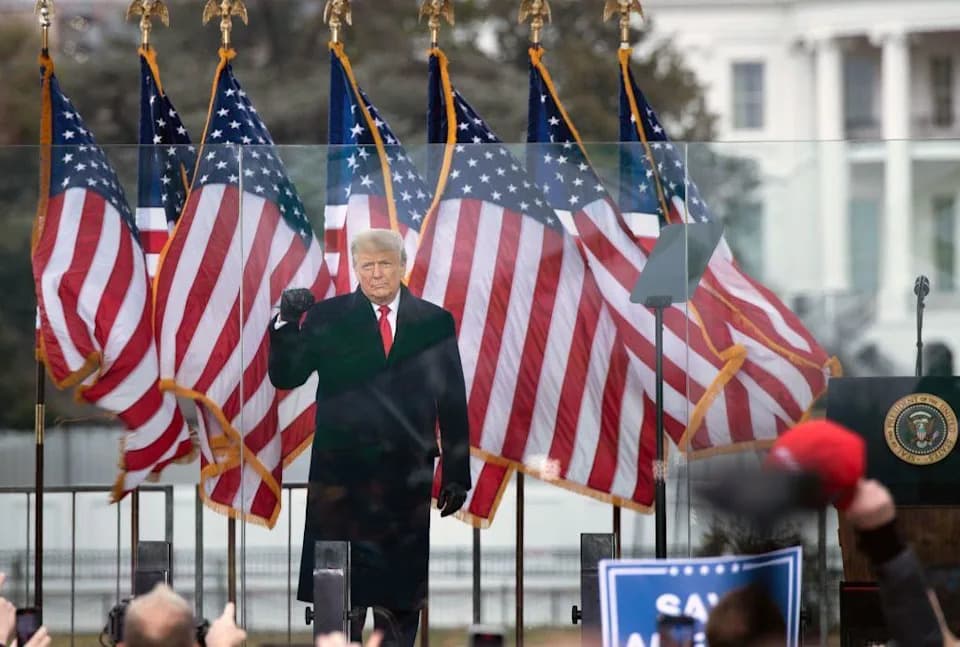
The controversy concerns roughly 20 seconds of edited footage from Trump’s Jan. 6, 2021, speech on the National Mall. Critics say the BBC spliced segments so he appeared to be explicitly urging a putsch. In the rally, Trump said, "We’re going to walk down [to the Capitol] and I’ll be there with you," and nearly an hour later declared, "And we fight. We fight like hell. And if you don’t fight like hell, you’re not going to have a country anymore." Minutes after the rally, more than 2,000 supporters breached the U.S. Capitol.
The BBC has acknowledged an editorial lapse. Chairman Samir Shah described it as an "error of judgment," and Director-General Tim Davie admitted there was an "editorial breach." Trump’s lawyers told the broadcaster the segment caused him "overwhelming financial and reputational harm." Whether that harm can be shown in court is another question.
Key legal hurdles
Several substantial legal and factual obstacles could block a successful suit. First, jurisdiction: the documentary appears not to have been published in the United States, and a Florida court might find England to be the proper forum because the broadcast's primary audience was there. Florida’s two-year statute of limitations is longer than the U.K.'s one-year window, which may explain why Trump could prefer filing in Florida.
Second, the U.S. defamation standard for public figures poses a steep challenge. Under New York Times v. Sullivan, a public figure must prove "actual malice" by clear and convincing evidence—that a false statement was made knowing it was false or with reckless disregard for the truth.
Third, Trump must show that the BBC’s editing materially changed how viewers understood the events of Jan. 6. Numerous accounts predating the BBC segment concluded that Trump’s rhetoric helped incite the crowd; the House impeachment vote charged him with "incitement of insurrection." During discovery, BBC lawyers would likely probe his conduct and statements in detail between the end of the speech and the moment he told the crowd to disperse.
Practical and strategic factors
Trump has a record of suing U.S. news organizations for large sums and securing substantial settlements in some cases. That dynamic could tempt the BBC to settle for commercial or political reasons rather than risk protracted litigation—even if it believes the legal case is weak.
Recent examples include a July 2025 settlement in which Paramount (parent of CBS News) agreed to pay $16 million after a suit over a 60 Minutes segment, and a $15 million payment by ABC News after an incorrect statement that inflated the severity of a legal finding against Trump. These precedents show how settlement pressure can shape outcomes regardless of legal merits.
What motivates the threat
Observers argue the objective of such suits is sometimes less about prevailing in court than about intimidating critics. Seth Stern of the Freedom of the Press Foundation put it plainly: "He doesn’t care if he wins or not. The point is to intimidate and punish those he views as critical to him." Roy Cohn, Trump’s former mentor, likewise warned that libel suits can be "messy" and potentially harmful to the plaintiff if the other side has evidence.
If brought, the litigation would test complex issues of jurisdiction, publication, evidentiary burdens for public figures, and the extent to which editorial editing can be characterized as defamatory. Given the available facts and the high bar for proving actual malice, the path to a successful award looks narrow.
Author: James D. Zirin, former federal prosecutor and legal analyst.
Help us improve.