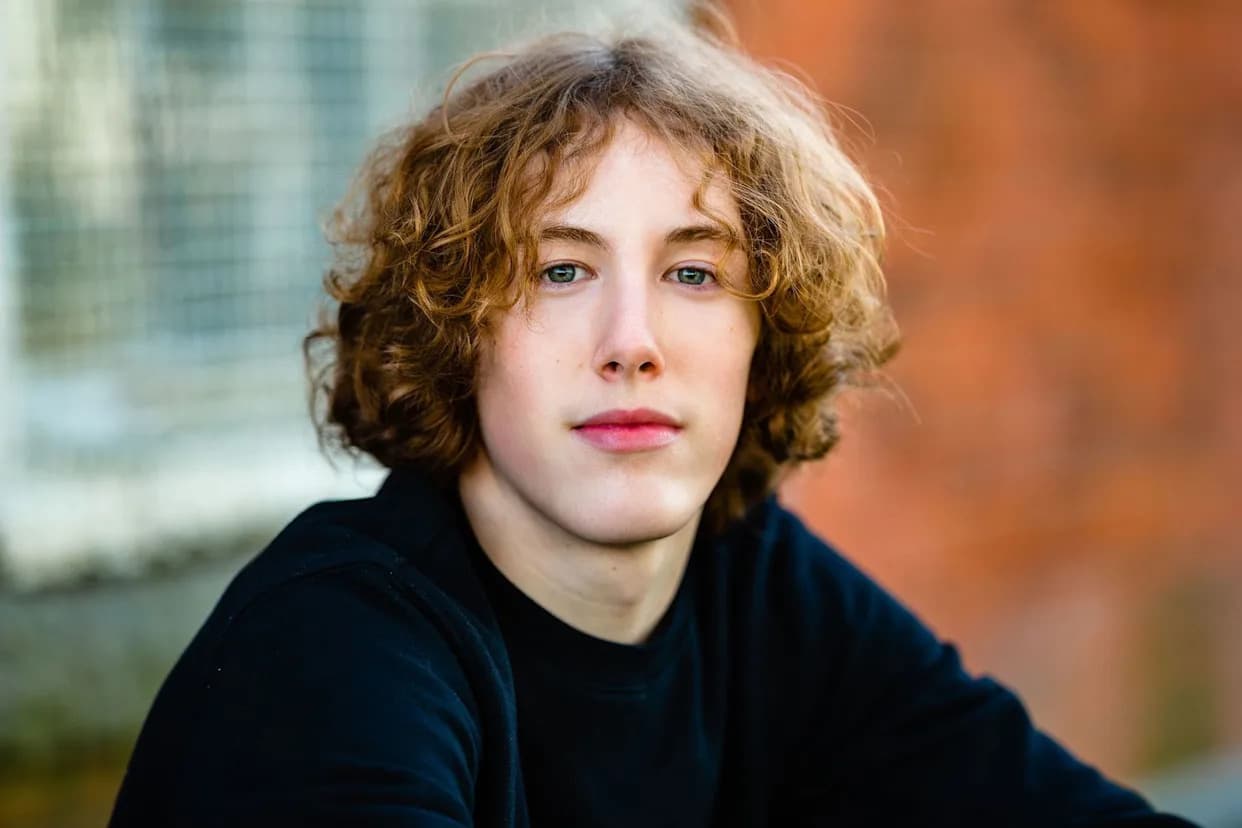
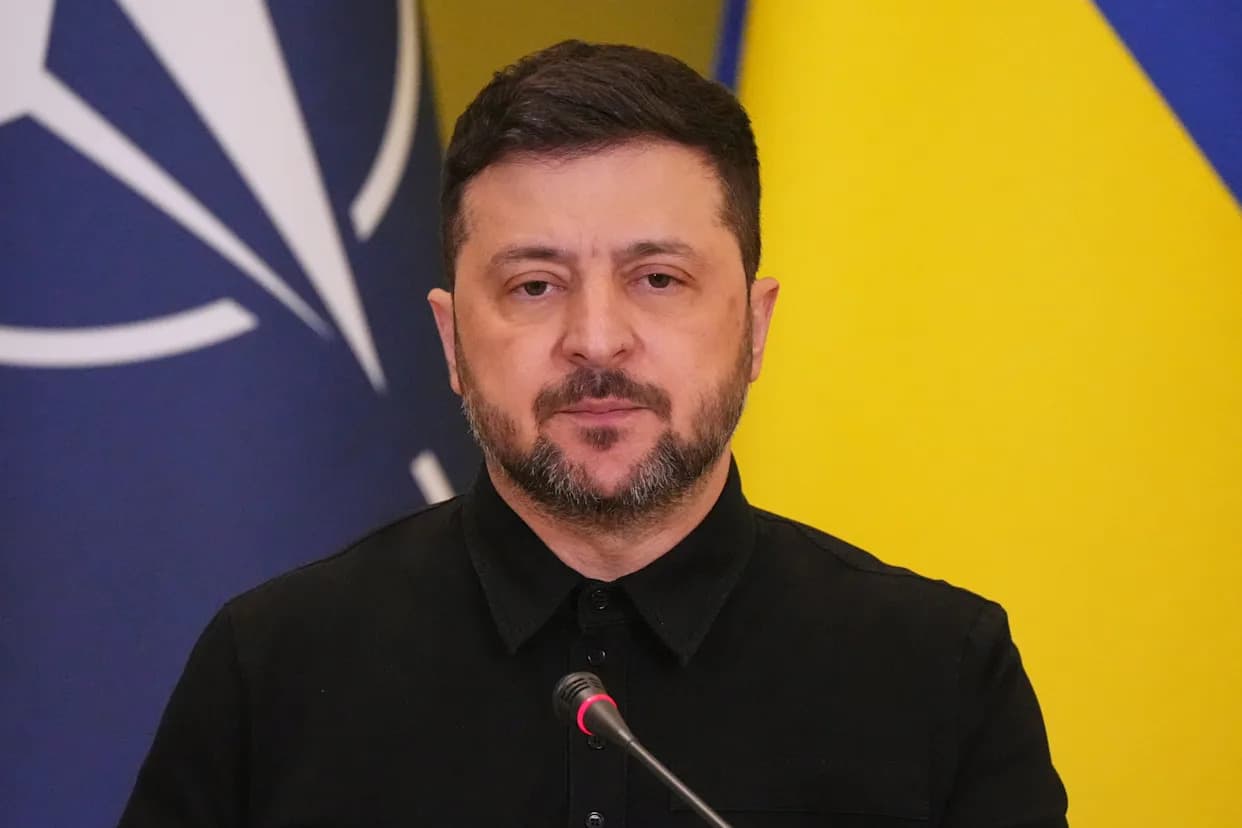
Mikola Statkevich, a 69-year-old Belarusian opposition figure, was reportedly returned to prison after refusing what he called a "forced deportation" following a U.S.-brokered pardon. He spent hours in no-man's land at the Belarus–Lithuania border before police escorted him away. Authorities have not disclosed his location or health status; his wife warned he previously suffered a heart attack in custody. Rights groups say the pardon should have freed him and condemned arbitrary detentions of political prisoners.
Belarus Opposition Veteran Mikola Statkevich Returned to Prison After Rejecting 'Forced Deportation'
Belarusian opposition politician Mikola Statkevich has reportedly been returned to custody after refusing to leave his homeland following a U.S.-brokered pardon, activists and his family say.
Statkevich, 69, disappeared on Sept. 11 after a group of political prisoners were pardoned at the request of U.S. officials. On the day of the pardon he and other released inmates were placed on a bus and transported toward the Belarus–Lithuania border. Statkevich resisted what he described as a "forced deportation," forced the bus door open and spent several hours in the no-man's land between the two countries before Belarusian police escorted him away.
Maryna Adamovich, Statkevich's wife, said the Belarusian Ministry of Internal Affairs informed her that he had been returned to prison and "continues to serve his sentence." Authorities have not disclosed where he is being held nor provided updates on his health; Adamovich said she is especially worried because Statkevich suffered a heart attack while in custody in the past.
"I used to at least know where he was, but now I don't even know that," Adamovich said. "I'm very concerned for Mikola's health; he suffered a heart attack in prison."
Pavel Sapelka, a lawyer and representative of the Viasna human rights group, said that because Statkevich was pardoned by a presidential decree he should have been free on his return to Belarus. Sapelka described the situation as evidence of legal confusion and arbitrary treatment of political detainees.
"We see legal chaos when political prisoners without passports are expelled from the country, arbitrarily thrown back into prison, and held incommunicado," Sapelka said.
Statkevich, a longtime opposition figure and former presidential candidate, was convicted in 2021 of organizing mass unrest in a case that human rights organizations describe as politically motivated. Over his political career he has been jailed three times and has spent more than 12 years behind bars.
Observers note the episode comes as President Alexander Lukashenko seeks to ease tensions with the West. Statkevich was among 52 prisoners—most accused of political offenses—released after talks between Minsk and U.S. officials; the swap coincided with a rollback of sanctions on the Belarusian national airline, Belavia. Belarusian authorities have said Minsk and Washington plan further talks in December.
Human rights group Viasna reports there are currently 1,246 political prisoners in Belarus, including Nobel laureate Ales Bialiatski. Rights groups and Statkevich's supporters are calling for transparency about his whereabouts and immediate access to independent medical care.
Help us improve.