Nearly a year after the fall of Assad, tens of thousands who were arrested or forcibly disappeared since 2011 are still unaccounted for, leaving families without truth or closure. One detailed case describes Hicham, detained in 2015, whose family encountered manipulation and extortion while trying to locate him. Rights groups document more than 181,000 arrested or disappeared through August 2025 and warn that many missing may have died in detention. Advocates call for inclusive justice, preservation of evidence, DNA identification, and funding for impartial investigations.
Nearly a Year After Assad's Fall, Thousands Remain Missing as Families Demand Truth and Justice

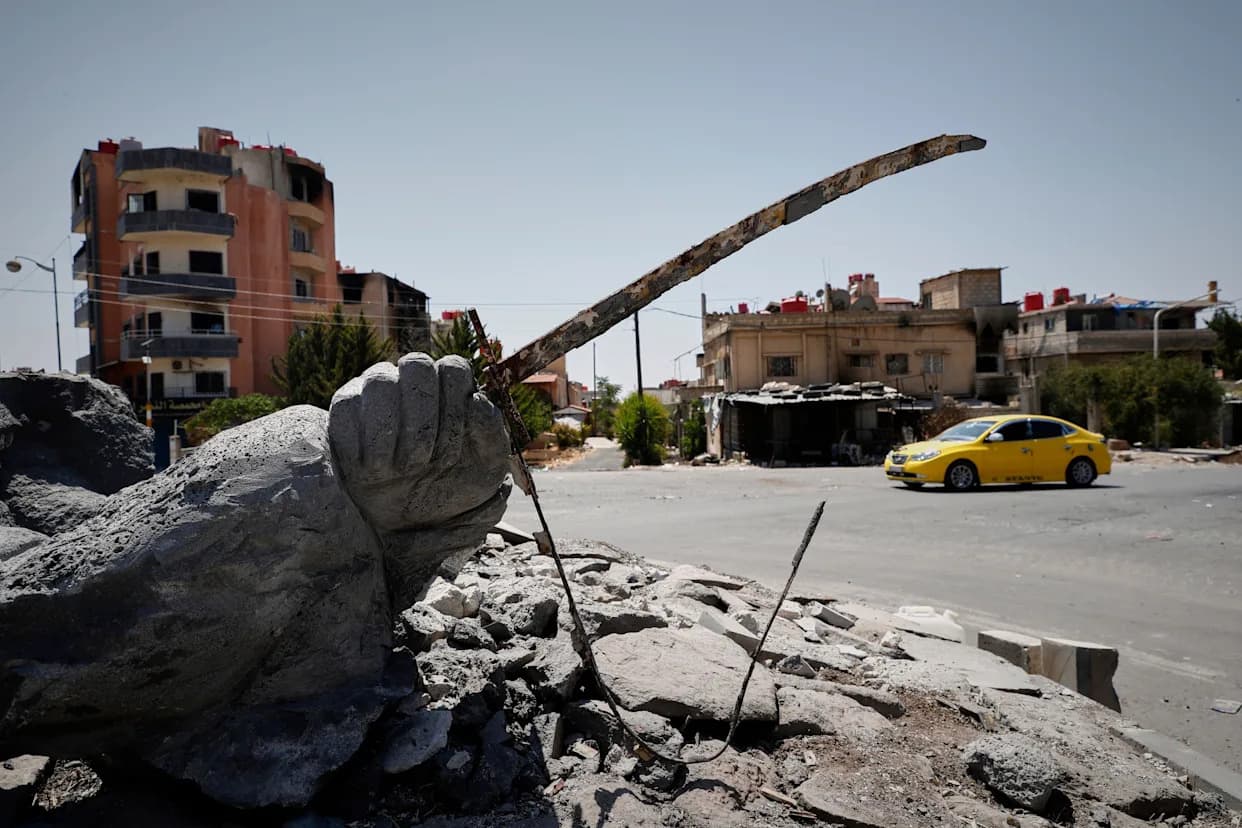
Almost a year after the fall of Bashar al-Assad's regime, the fate of tens of thousands who were arbitrarily detained or forcibly disappeared since the 2011 uprising remains unresolved. Families across Syria continue to live with painful uncertainty, struggling for answers and accountability.
Personal stories: life upended by disappearance
Lina Salameh's son, Hicham, would have turned 32 this year. He vanished after being stopped at a checkpoint in the southern Damascus suburb of Maadamiyeh in 2015. The family had fled to Lebanon when the protests escalated into civil war; Hicham returned to renew travel documents and was instructed to report to a Military Intelligence branch in Damascus. Despite efforts to hide him from security services, he was detained and the family has not heard from him since.
"Since that day, we have never heard anything about him or his fate," Lina said. Two years after his disappearance, a released prisoner phoned to say he had seen Hicham in Saydnaya Military Prison. The family paid a lawyer and intermediaries but were never allowed to find or see him; offers to secure his release proved to be extortionate or false.
Scale of the crisis
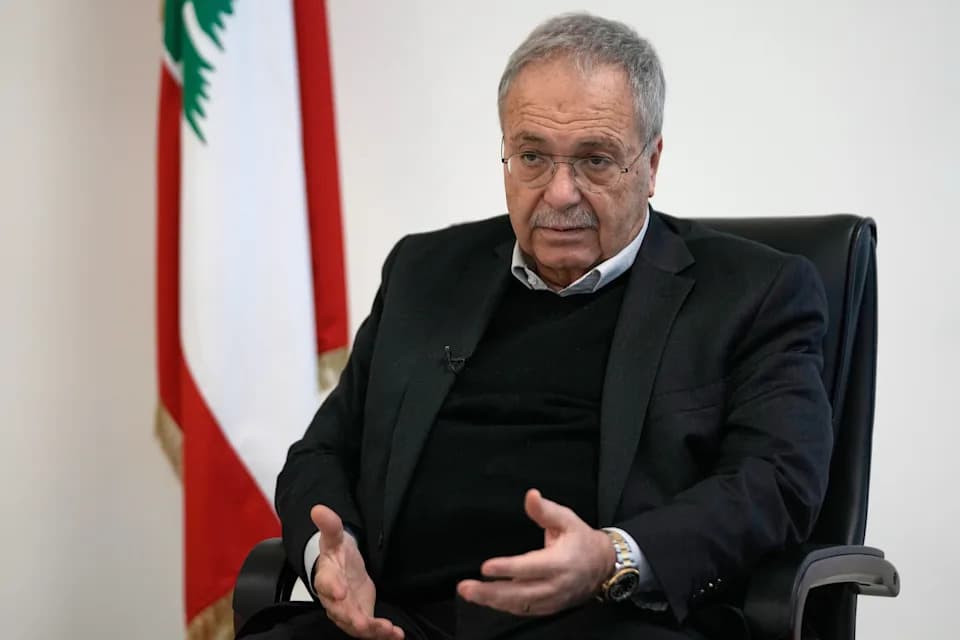
The U.K.-based Syrian Network for Human Rights has documented more than 181,000 people who were arbitrarily arrested, imprisoned, or forcibly disappeared between March 2011 and August 2025, according to founder Fadel Abdul Ghany. Abdul Ghany warned that many of those still listed as missing are presumed to have died in detention or been extrajudicially executed, especially given the lack of official disclosure about secret detention sites.
Accountability efforts face serious limits
Newly established bodies, including a National Commission for Missing Persons and a Transitional Justice Commission, carry formal mandates to address disappearances and abuses. Observers, however, say these bodies face structural deficits: unclear investigative powers, insufficient and unsustainable funding, and questions about independence and impartiality.
Abdul Ghany and other analysts caution about the risk of "victor's justice" because early efforts have focused primarily on abuses by the former regime, with much less visible progress addressing violations by armed opposition factions, extremist groups, and other non-state actors. Incomplete records and political sensitivities have slowed efforts to identify non-state perpetrators and include all victims in accountability frameworks.
Evidence, witnesses, and the search for answers
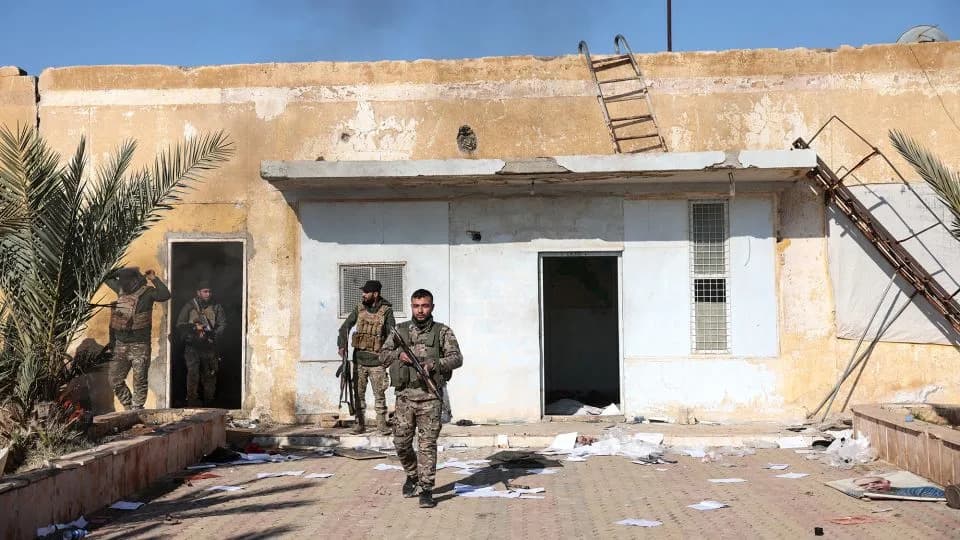
Bissan Fakih, a Middle East campaigner for Amnesty International based in Beirut, urged an inclusive justice process that reaches every victim. She noted that documents and records recovered from prisons, hospitals, and government institutions could hold critical evidence, and that dozens of witnesses — including former prison staff — may be able to help identify the disappeared.
Despite excavations of dozens of mass graves, systematic DNA testing and coordinated forensic investigations have yet to get underway at scale. Advocates stress the urgent need to preserve existing evidence, establish a reliable chain of custody, and begin DNA identification programs so families can finally learn what happened to their loved ones.
What families want
For many families, the demands are straightforward but profound: truth about what happened, identification of remains where possible, accountability for perpetrators, and reparations. The arrest and prosecution of former Saydnaya officials on allegations of torture and extrajudicial executions has raised hopes among relatives that some measure of justice could be achieved.
"They should be tried for sure... They should pay the price for what they did to our children," Lina said. "Only God knows how much they tortured them and how they killed them."
Conclusion
The scale and opacity of the disappearances in Syria create long-lasting wounds for thousands of families. Comprehensive, impartial processes — including forensic investigations, DNA testing, transparent records, witness protection, and sustainable funding for truth-seeking institutions — will be essential if Syrian society is to deliver answers, accountability, and some measure of closure to victims' families.
Help us improve.