Key points: The Kremlin rejected a European counterproposal to a US-backed Ukraine peace plan, calling it “unconstructive,” while US and Ukrainian negotiators in Geneva agreed a 19‑point framework. The most contentious issues—territory, NATO’s role and security guarantees—are reserved for direct talks between Presidents Trump and Zelensky. Fighting, drone activity and allegations of abuses continue, underscoring the fragility of any deal.
Kremlin Rejects European Counterproposal as US–Ukraine Negotiators Agree 19‑Point Framework

Summary
The Kremlin has dismissed a European counterproposal to a US-backed peace plan for Ukraine as “unconstructive,” even as US and Ukrainian negotiators in Geneva agreed a narrowed 19‑point framework. The most sensitive matters—territory, security guarantees, and NATO’s role—are reserved for direct talks between Presidents Trump and Zelensky. Fighting and drone activity continue amid high‑stakes diplomacy.
Diplomatic developments
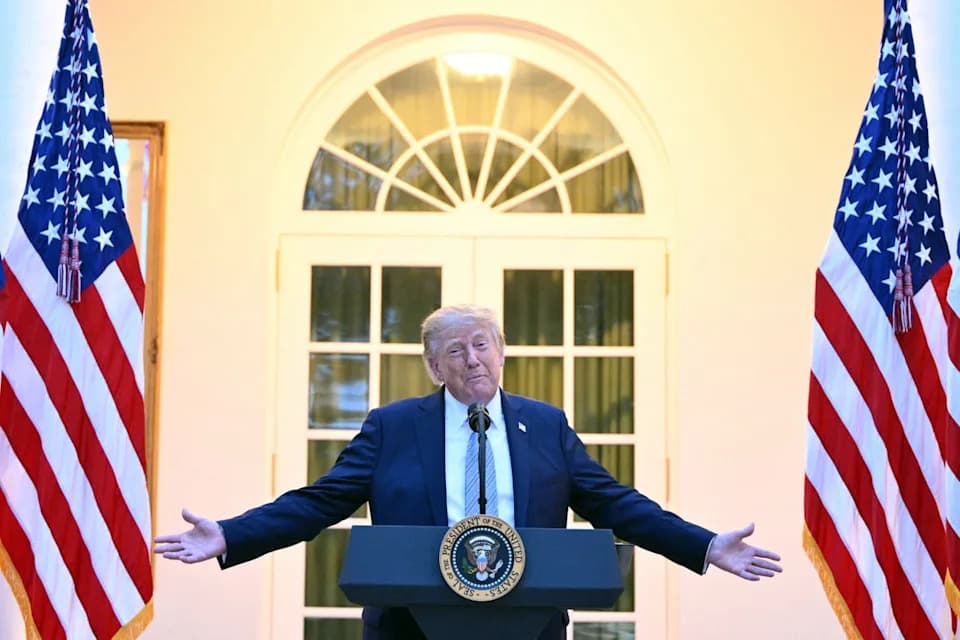
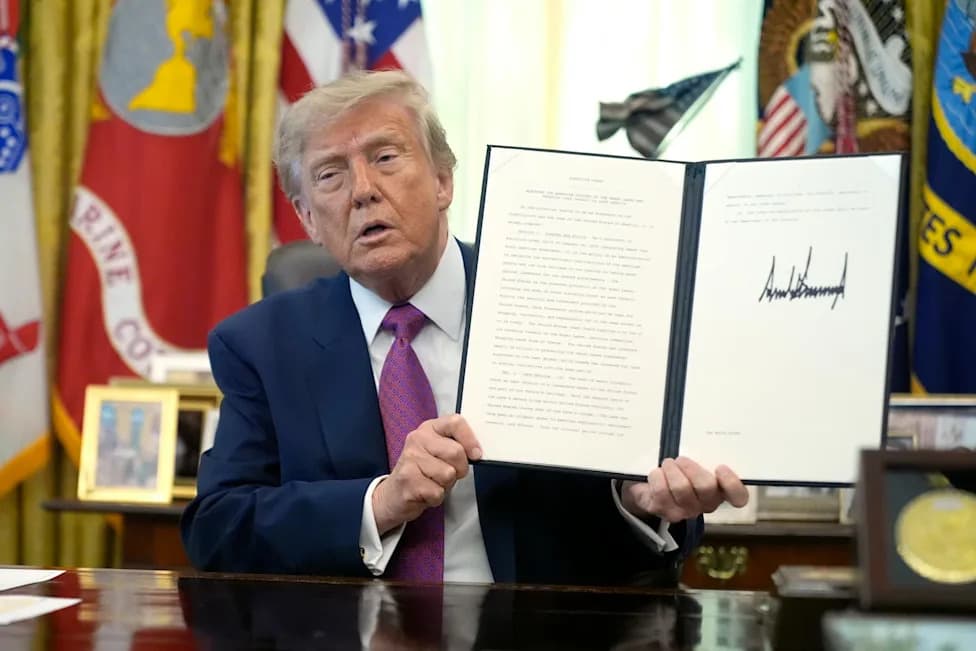
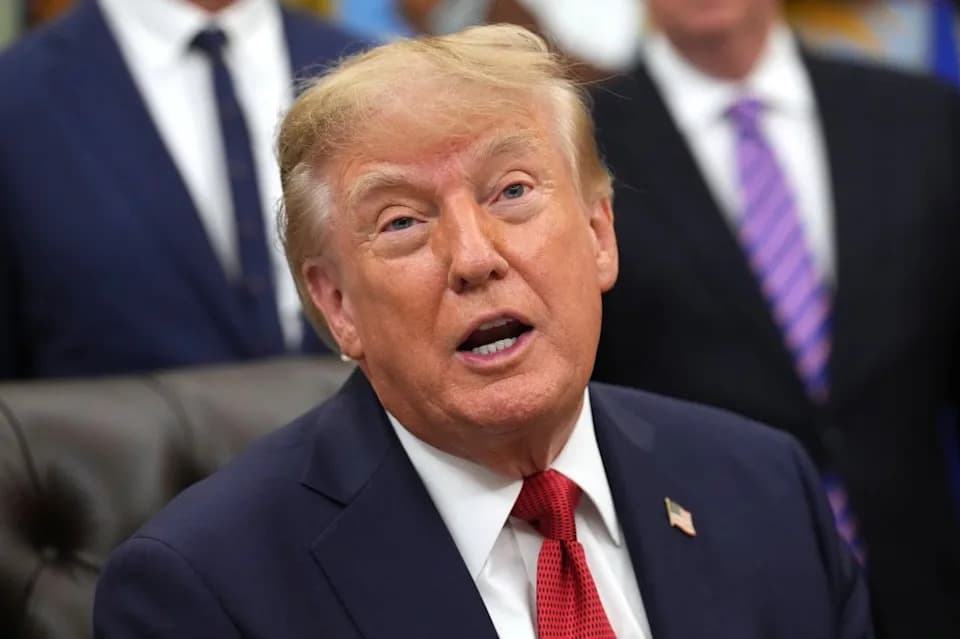
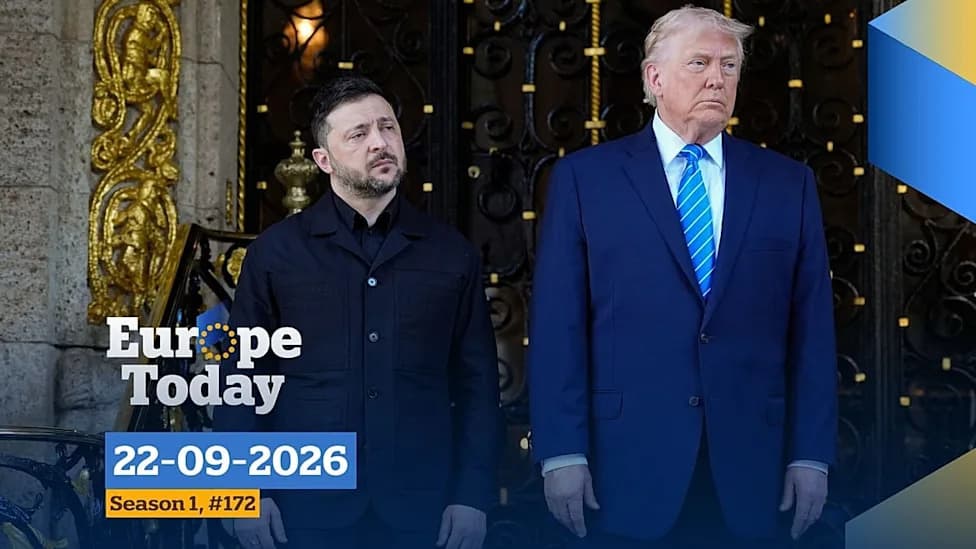
Negotiators from the United States and Ukraine met in Geneva and reported progress toward a revised peace framework that reduces the original 28 points to 19. Delegates said the most politically fraught elements would be handled at the presidential level, with direct talks between President Donald Trump and President Volodymyr Zelensky expected to resolve remaining sticking points such as land swaps, limits on Ukraine’s armed forces, and the future security relationship involving the US, NATO and Russia.
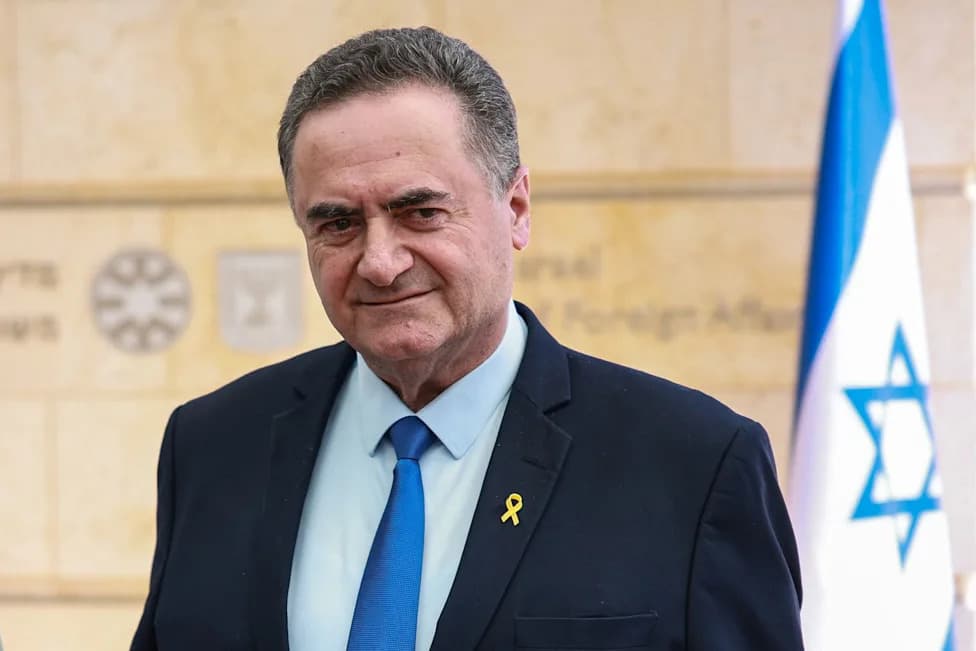
A European counterproposal drafted by Britain, Germany and France adjusted several core elements of the US text—most notably language about NATO and the status of Ukrainian territory—and reportedly included possible concessions such as the conditional reintegration of Russia into international fora. Kremlin foreign policy aide Yuri Ushakov described the European text as “unconstructive” and said it “does not work for us,” while adding that “not all, but many provisions” of the US plan remain acceptable to Moscow.
Key reactions across Europe and the US
- European leaders voiced mixed responses: some welcomed apparent progress in Geneva, while others warned that concessions could imperil Ukrainian sovereignty and European security.
- Germany’s chancellor warned that any final settlement will be lengthy and stressed Russia must be at the table, while other officials urged continued support for Ukraine’s red lines—no formal recognition of occupied territory, no crippling limits on Ukraine’s defense, and respect for Kyiv’s right to choose its alliances.
- US lawmakers and officials publicly pressed Ukraine to consider the US proposals; several US senators commented on the talks. Ukrainian leaders have repeatedly expressed public thanks to European partners amid tense diplomacy.
On the ground
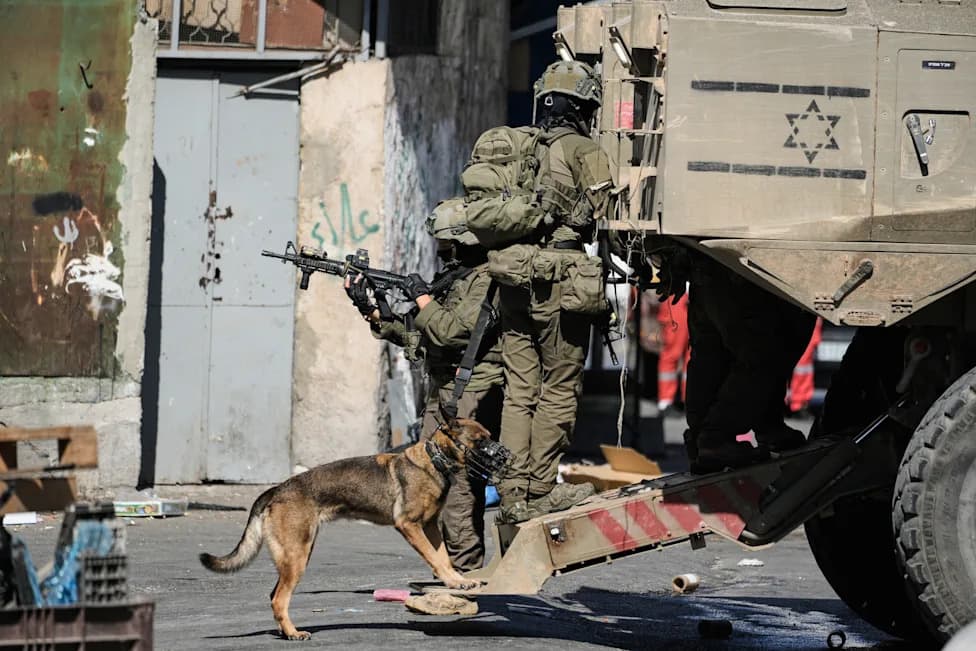
Hostilities continue. Ukrainian authorities reported a late-night attack on Kharkiv that killed civilians, and Russian officials said their air defenses intercepted dozens of drones near Moscow and across several regions. Open-source investigators and Ukrainian officials have reported alleged abuses and executions of prisoners; Kyiv continues to investigate these incidents.
Other notable points
- China’s president spoke by phone with President Trump about the conflict; Beijing urged a reduction of differences among parties.
- European proposals reportedly included controversial options—such as temporary caps on Ukraine’s armed forces or arrangements on energy assets—that drew criticism from some Ukrainian and European figures.
- Debate continues over the use of frozen Russian assets and whether Europe can leverage them to support Ukraine and reconstruction, a point raised by several EU officials.
Outlook
Negotiations are ongoing and the diplomatic process appears likely to be protracted. With sensitive issues deferred to presidential talks, the coming days could be decisive if leaders meet to settle territorial, security and political guarantees. Meanwhile, battlefield incidents underline the urgency and fragility of any ceasefire or deal.
“This proposal is unconstructive and does not work for us,” — Yuri Ushakov, Kremlin foreign policy aide
Sources referenced: statements from Kremlin officials and European ministers, reports from US and Ukrainian negotiators, and open-source investigative findings on battlefield incidents.
Help us improve.