Viola Fletcher, the oldest known survivor of the 1921 Tulsa Race Massacre, has died at 111. She was seven when white mobs attacked Greenwood, killing as many as 300 people and destroying homes and businesses. Fletcher testified to Congress in 2021 about the lasting trauma she still experiences and was part of a reparations suit later dismissed by the Oklahoma Supreme Court. Tulsa has since announced a $105 million trust to address the massacre's long-term impacts.
Viola Fletcher, 111, Dies — Lifelong Witness to the 1921 Tulsa Race Massacre

By Jasper Ward
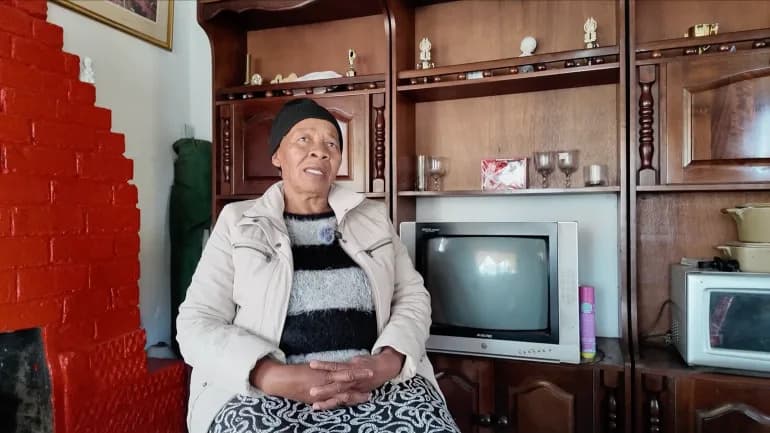
Viola Fletcher, long recognized as the oldest living survivor of the 1921 Tulsa Race Massacre, died on Monday at the age of 111, Tulsa Mayor Monroe Nichols announced.
"Today, our city mourns the loss of Mother Viola Fletcher - a survivor of one of the darkest chapters in our city's history," Mayor Nichols wrote. "Mother Fletcher endured more than anyone should, yet she spent her life lighting a path forward with purpose."
Fletcher was born in Comanche, Oklahoma, and moved with her family to Tulsa as a child. She was seven years old when white mobs attacked Greenwood — the prosperous, predominantly Black neighborhood often called "Black Wall Street" — on May 31, 1921. Contemporary estimates place the death toll at as many as 300 people, most of them Black; attackers also burned and looted homes and businesses.
For decades Fletcher carried the trauma of that night. In 2021 she testified before the U.S. Congress, describing memories that remained vivid nearly a century later: "I still see Black businesses being burned. I still hear airplanes flying overhead. I hear the screams. I live through the massacre every day."
In 2020, Fletcher, her younger brother Hughes Van Ellis (who died in 2023 at 102), and fellow survivor Leslie Benningfield Randle filed a lawsuit seeking reparations from the city of Tulsa, including measures such as a 99-year tax holiday for descendants of massacre victims. The Oklahoma Supreme Court dismissed the case. In June 2024, Tulsa announced a $105 million trust intended to address the long-term harms stemming from the 1921 attacks.
During 100th-anniversary events in 2021, then-President Joe Biden met with Fletcher, Van Ellis and Randle and urged the nation to confront painful parts of its history: "We should know the good, the bad, everything. That's what great nations do. They come to terms with their dark sides."
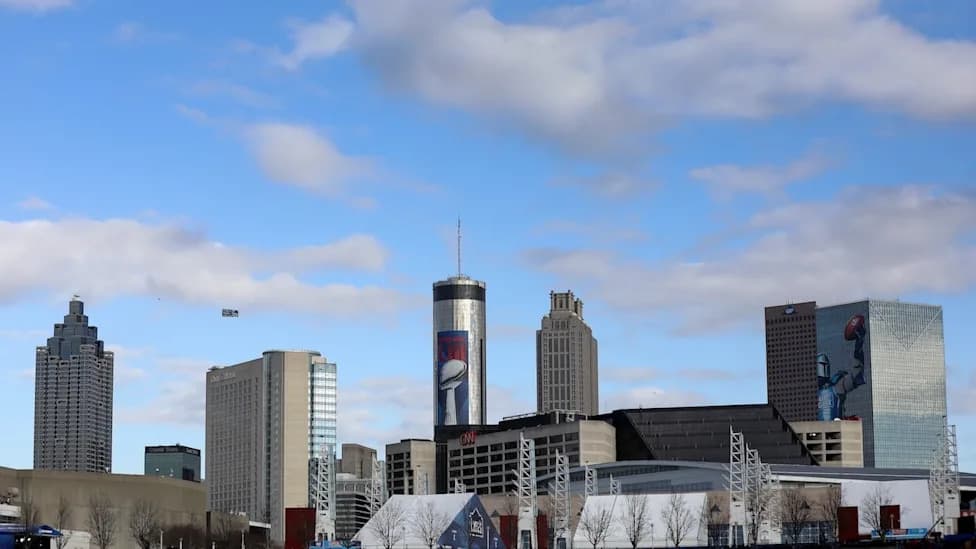
Historians note that similar racially motivated attacks occurred in other U.S. cities after the Civil War — including Wilmington (1898), Atlanta (1906) and Chicago (1919) — where perpetrators frequently escaped prosecution and the events were often left out of public historical accounts.
Fletcher's passing marks the end of a direct living link to Greenwood's survivors. Her testimony and public presence helped keep the memory of Greenwood alive, renewed calls for justice and remembrance, and pushed forward conversations about restitution and healing for descendants and the city.
Help us improve.