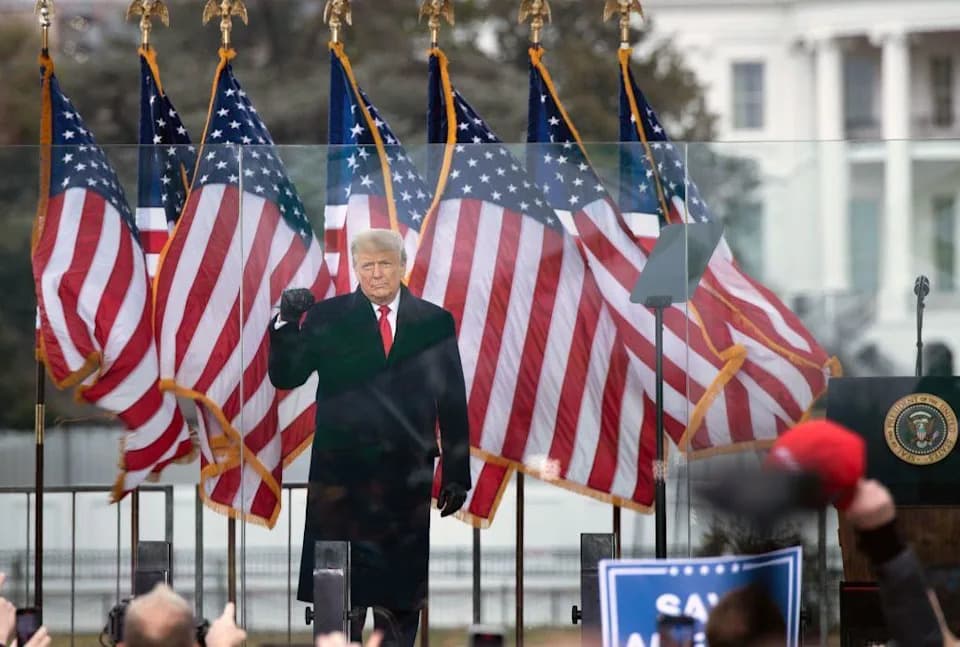
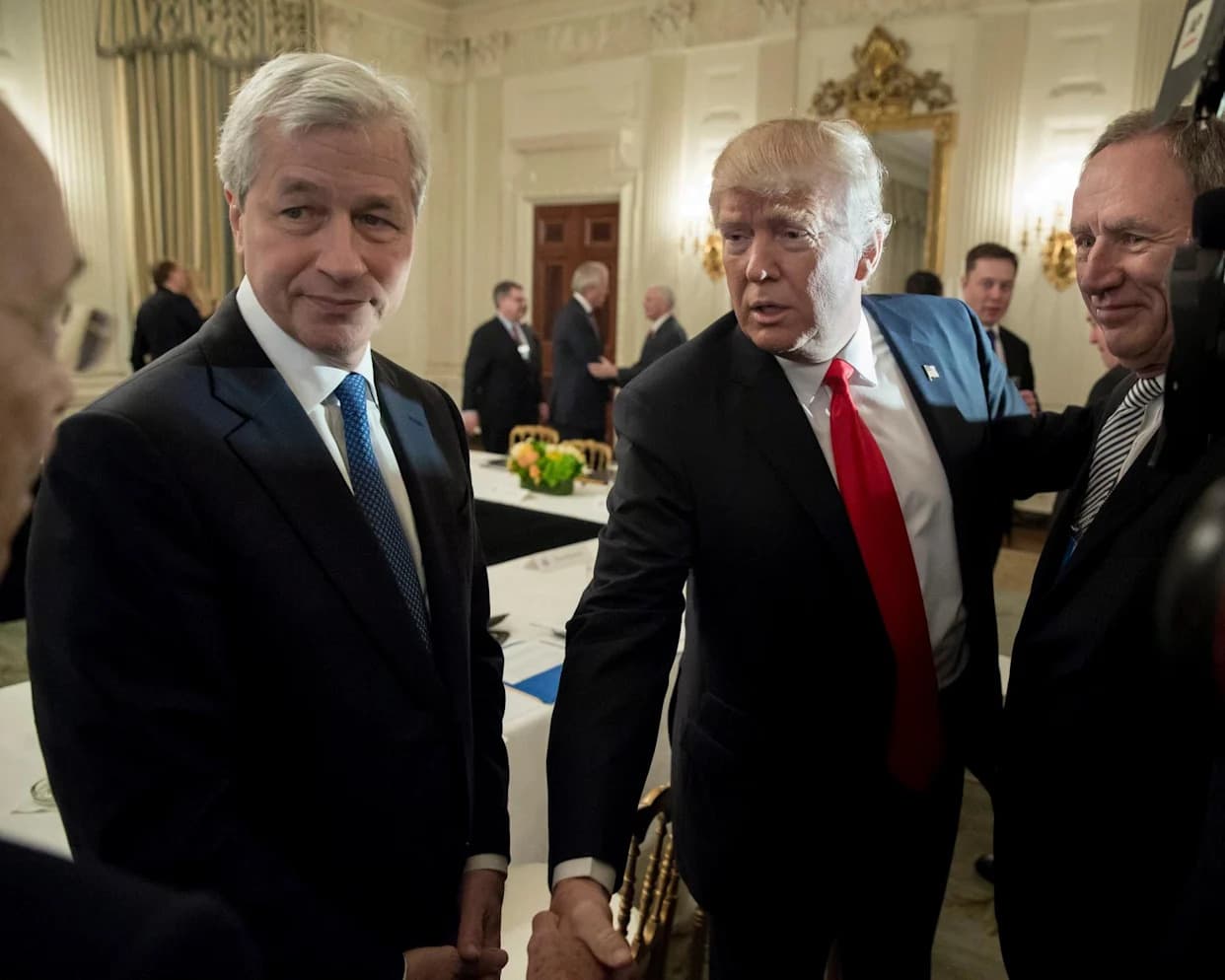
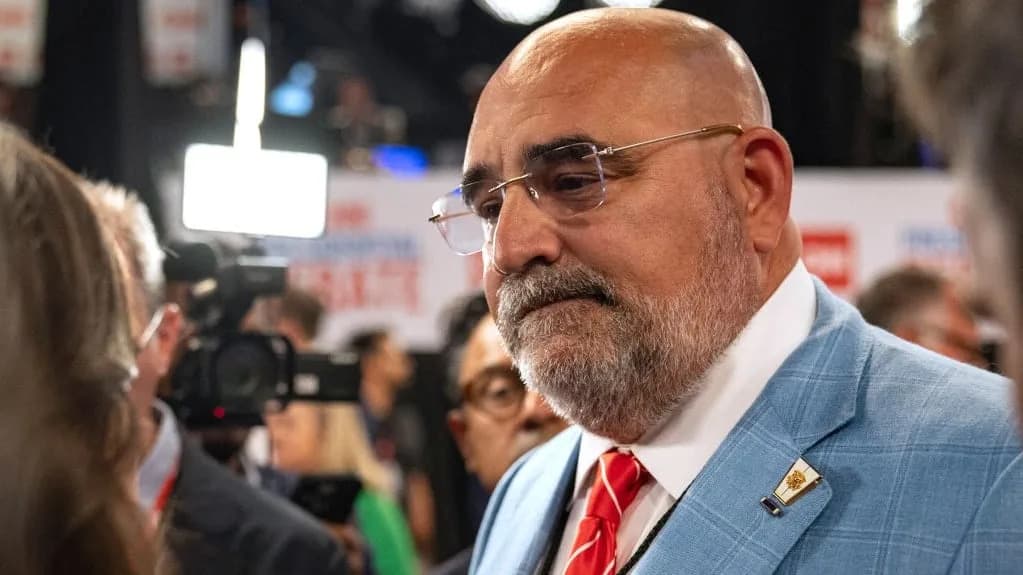
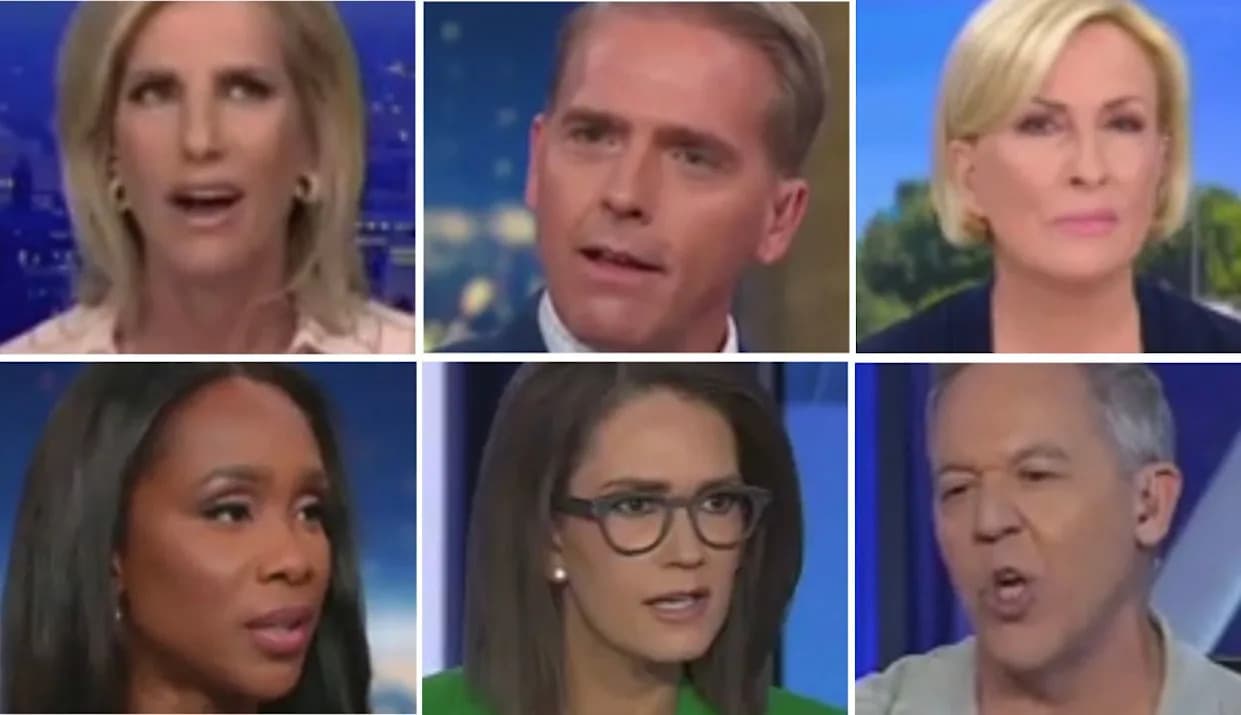
Newly released exhibits in Smartmatic's defamation suit reveal Lachlan Murdoch warned Sean Hannity on Oct. 1, 2020 that President Trump would be barred from future Fox appearances if he used airtime to attack the network. The documents show internal turmoil after Fox called Arizona for Biden, emails from Rupert and Lachlan Murdoch about audience backlash, and deposition excerpts in which Rupert said he did not prevent hosts from endorsing stolen-election claims. Smartmatic was recently indicted in the Philippines; Fox denies the company's claims and a judge denied Fox's request to delay the civil trial.
Documents Show Lachlan Murdoch Warned Hannity That Trump Would Be Barred from Fox for Attacking the Network

Newly released exhibits in the Smartmatic defamation case reveal private internal communications that underscore a tense relationship between Fox News and former President Donald Trump in late 2020. The materials include text messages, emails and deposition excerpts that illuminate how Fox's leadership responded to post-election turmoil and viewer backlash.
Murdoch's message to Hannity
On Oct. 1, 2020, Lachlan Murdoch, CEO of Fox Corp, sent a message to a group that included host Sean Hannity, his father Rupert Murdoch and Fox News CEO Suzanne Scott: "Sean, sorry, but the president is not coming back on air if he uses it to attack us. It is the same rule we have with the other side. This is a golden rule. Thx L." Hannity's reply was redacted in the released materials.
Fallout after the election
The documents show intensified pressure after Fox projected Arizona for Joe Biden. Internal notes indicate some executives discussed undoing that call if Biden's lead narrowed, while others resisted reversing the decision. Sean Hannity acknowledged in an exchange that some Trump supporters had turned sharply against the network: "Trump people hate Fox," he wrote.
Internal concerns about audience and programming
Emails from late 2020 capture Rupert and Lachlan Murdoch's anxiety over falling audience numbers and advertiser reactions. In one previously unreported Nov. 23, 2020 email, Rupert warned the network was "getting killed in audience numbers" and urged discussion of the backlash. In a Jan. 21, 2021 exchange, Rupert said he was still receiving criticism that "leading voices encouraged stolen election" claims and helped push the Jan. 6 rally. Around that time Lachlan proposed removing business host Lou Dobbs from the air; Dobbs's show was canceled the following month.
Depositions and editorial responsibility
The released exhibits include a version of Rupert Murdoch's deposition in which he told Smartmatic's lawyers he had not taken steps to prevent Fox hosts from endorsing claims that the 2020 election was stolen: "No. No." He said he was "very happy [with] the way Fox News was handling it" while also acknowledging the network "pivoted" after the election and had moved away from overt support of Trump, a shift complicated by a large audience of Trump supporters.
Lachlan Murdoch, in his deposition, defended the newsworthiness of covering the president's fraud allegations, saying it was justified to report on a sitting president disputing the results. "We did not make the allegations against Smartmatic," he said, adding that Fox reported allegations made by the president and his allies.
Smartmatic, criminal charges, and the court fight
Smartmatic — the voting-technology company at the center of the lawsuit — was indicted last month in the Philippines on bribery-related charges; the company denies wrongdoing and called the indictment "targeted, political, and unjust." Fox has vigorously denied Smartmatic's claims in the civil suit, arguing the company overstated its value and damages. The network sought to delay the civil trial while the criminal matter proceeded; a judge denied that request, and both parties are tentatively scheduled to argue summary judgment next month.
Why it matters
These disclosures provide a rare look inside how a major media organization navigated political pressure, audience loyalty and editorial decisions during a fraught moment for American democracy. The documents are likely to play a key role as the defamation case proceeds and as questions about media responsibility in the era of contested elections remain under scrutiny.
Help us improve.