Jordi Pujol, 95, and his seven children will face trial accused of running a criminal organisation that allegedly diverted roughly €290 million over three decades. Despite a medical report diagnosing early-stage Alzheimer’s, the court ruled Mr Pujol fit to appear by video link to face money-laundering and criminal association charges. Prosecutors seek up to 29 years for the eldest son and up to 17 years for other relatives; the trial is expected to run until May 2026.
Jordi Pujol, 95, and His Seven Children to Face Trial Over Alleged Multi-Decade Corruption

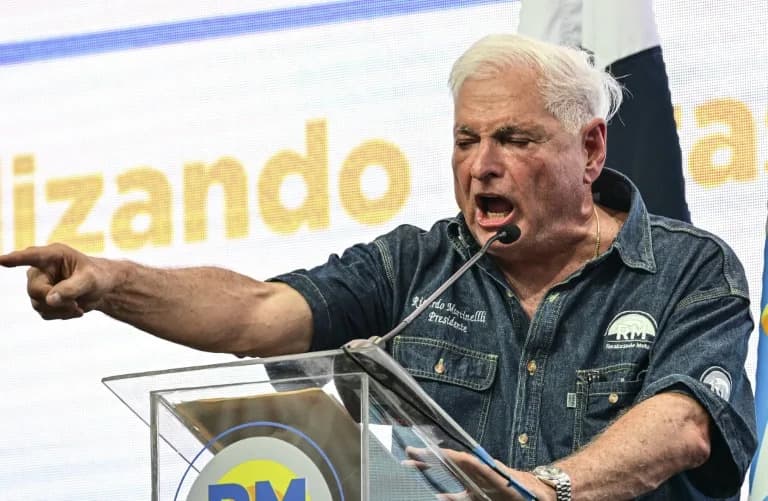
Jordi Pujol, the 95-year-old former president of Catalonia, will stand trial alongside his seven children on charges that they formed a criminal organisation accused of siphoning off hundreds of millions of euros in corrupt payments over several decades.
A medical report commissioned by Spain's National Court recently concluded that Mr Pujol suffers from early-stage Alzheimer’s and a moderate, progressive cognitive impairment, and initially raised questions about his fitness to take part in proceedings. At a hearing on Monday, however, judges ruled that he was sufficiently fit to appear by video link to face accusations of money laundering and criminal association.
The prosecution alleges the family accumulated roughly €290 million over about 30 years, a figure estimated by the economic and fiscal crime unit of Spain's National Police. The investigation — nicknamed the Sagrada Familia probe — began amid allegations that public-contract commissions and kickbacks were paid to a family network while Mr Pujol led Catalonia's regional government from 1980 to 2003.
In 2014 Mr Pujol publicly acknowledged holding undeclared funds in Switzerland and Andorra, saying the money originated from a 1980 inheritance from his father and had been managed by his eldest son, Jordi Pujol Jr. That admission followed a separate probe into alleged kickbacks involving another son, Oriol Pujol, and witness accounts that claim large cash movements between Spain, Andorra, Mexico and other jurisdictions.
The family rejects the allegations, saying the offshore funds derive from lawful inheritance and arguing some of the evidence was gathered illegally during undercover operations they say were aimed at discrediting Catalan pro-independence politicians in the run-up to the 2017 secession attempt. Defence lawyers also note Mr Pujol's advanced age and health when assessing any potential custodial outcome.
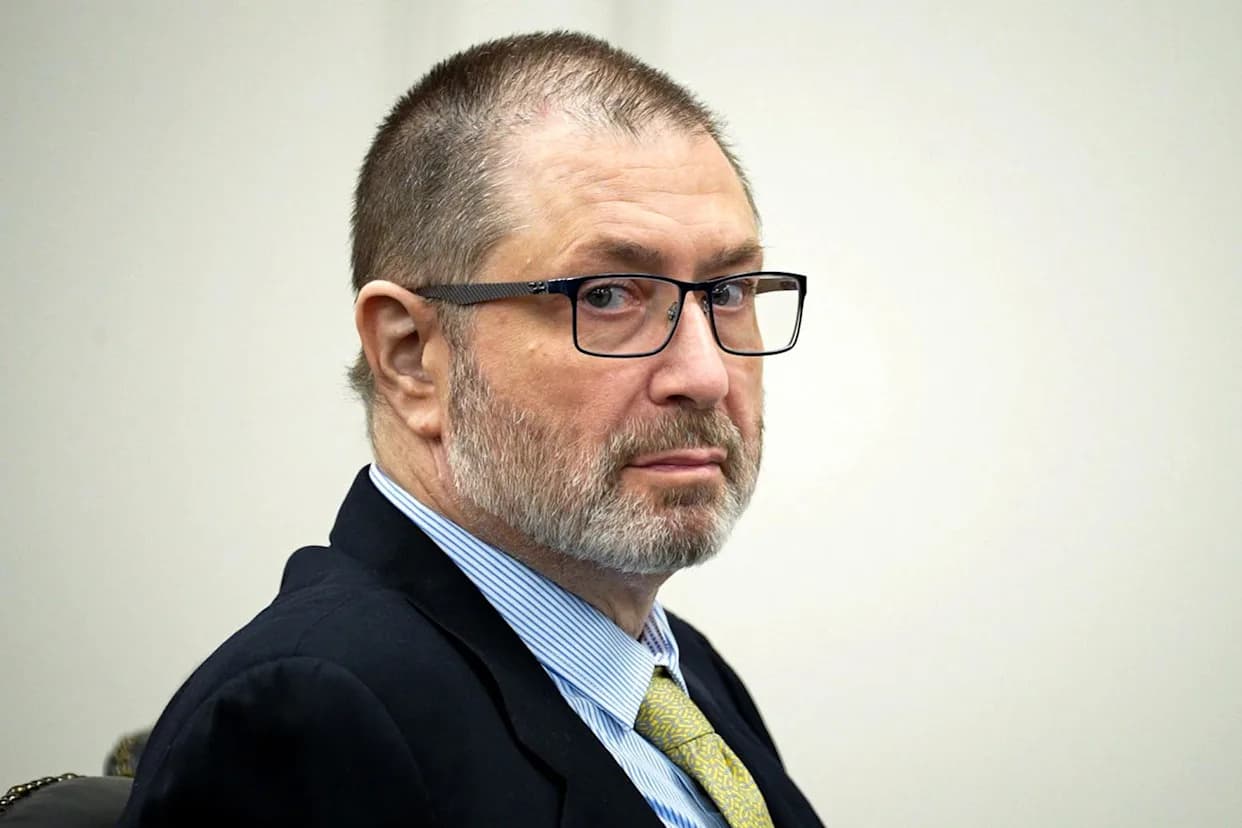
Prosecutors are seeking up to 29 years in prison for Jordi Pujol Jr and up to 17 years for several other family members; the former president himself faces a potential nine-year sentence, although his age makes actual imprisonment unlikely even if convicted.
The judicial inquiry involved a multi-year investigation and a lengthy pre-trial period: police and prosecutors spent years building the case, and the trial is scheduled to continue until May 2026. The proceedings will be closely watched in Catalonia and beyond, given Mr Pujol's role as a defining figure in the modern Catalan nationalist movement and the broader political sensitivities surrounding regional independence efforts.
What happens next: The court will hear evidence and testimony in the coming months as the trial progresses toward its scheduled conclusion in May 2026. Both prosecution and defence will present competing accounts of the origins and legality of the funds at the centre of the case.
Help us improve.