Renewed excavations at La Escombrera, a former landfill in Medellín long suspected as a mass grave, have produced the first human remains after two decades of searching. The JEP-led operation has removed roughly 56,000 cubic metres of rubble; seven bodies have been recovered so far and four identified. Families of the disappeared, including Teresa Gómez who has searched for her son Hermey since 2002, say the discoveries bring cautious hope and a step toward truth and accountability.
After Two Decades of Waiting, Families Hope as Excavations at La Escombrera Uncover Human Remains

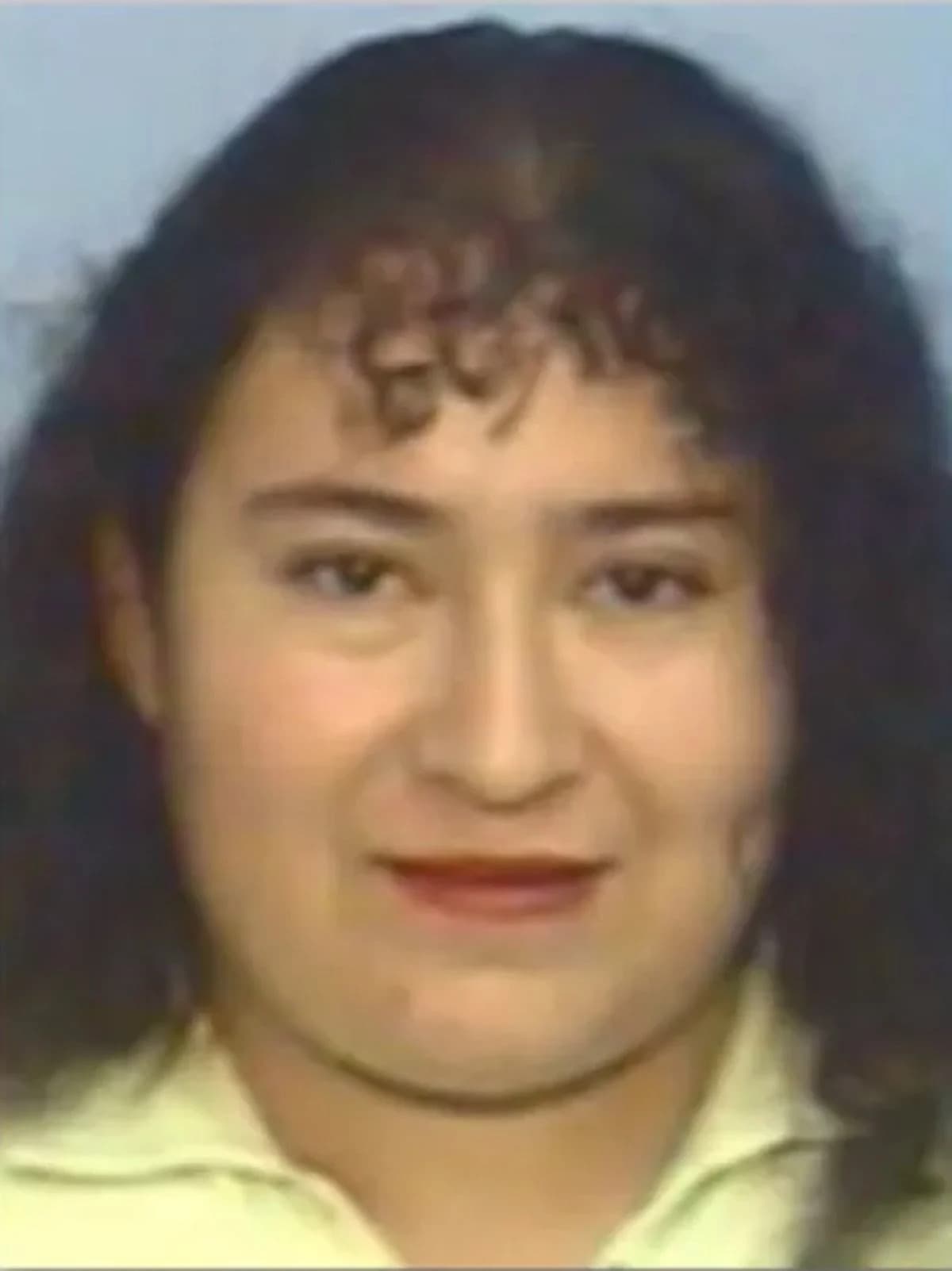
When Operation Orión began in October 2002, 22-year-old Hermey Mejía believed the military offensive might end the violence that had long ravaged Comuna 13 in Medellín. Instead the assault turned the neighbourhood into a battlefield, and Hermey — a computer engineering student and father-to-be — disappeared on 18 December 2002. His mother, Teresa Gómez, and other relatives have spent more than two decades searching for answers.
La Escombrera, a former construction landfill on the hills above Comuna 13, has long been suspected as a burial site where armed groups disposed of abducted, tortured and killed people. Estimates of the number buried there range from 400 to 600, though the full scale remains unknown.
Operation Orión and the wave of disappearances
Operation Orión was the largest urban military assault in Colombia’s history. Helicopters fired into the streets, residents were seized in front of their families, and hundreds were detained, tortured or killed. Authorities initially framed the offensive as a victory against insurgents, but later testimonies pointed to collusion between army units and rightwing paramilitaries, who entered some areas alongside troops and carried out abductions and killings.
“Bullets, bullets, bullets, from above, in front of our homes, everywhere,”
“They killed many people. Many more were taken. We all lived with fear.” — Teresa Gómez
The renewed search
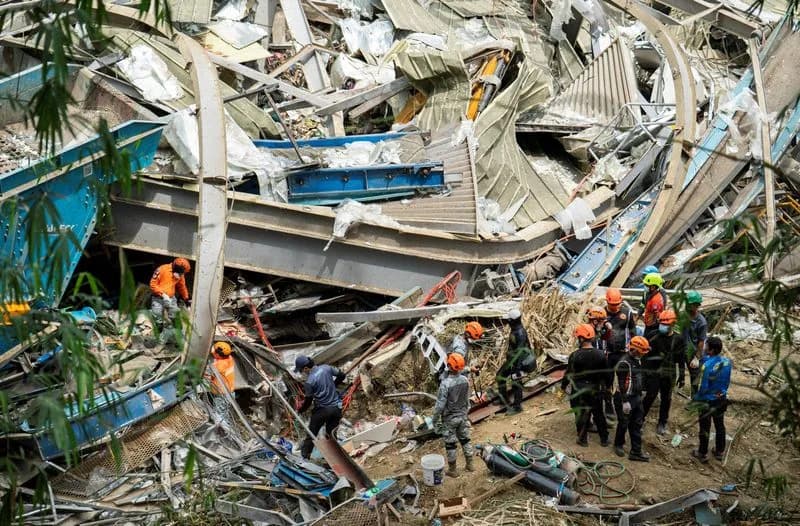
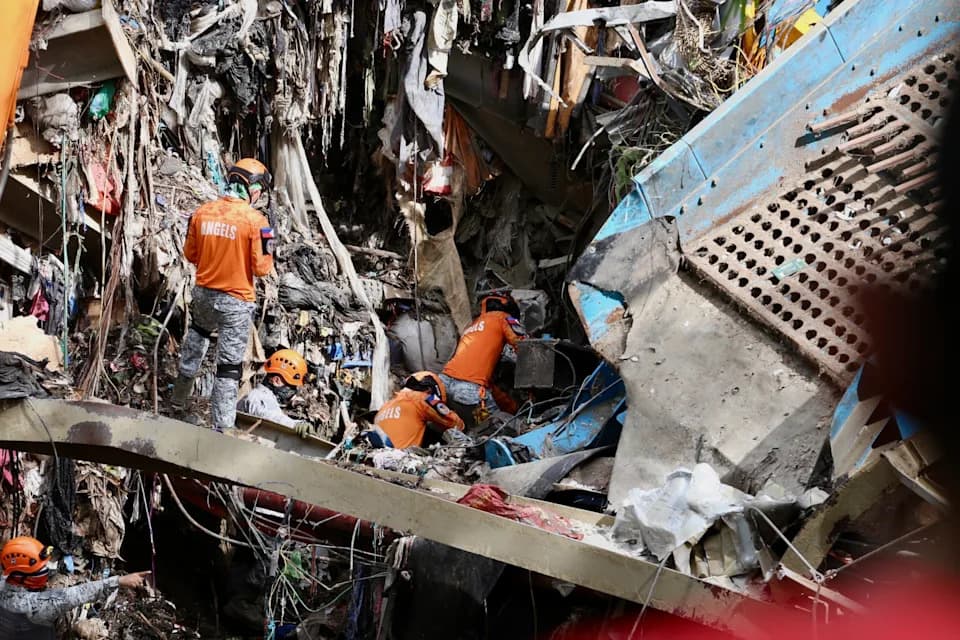
After a failed excavation in 2015, the Special Jurisdiction for Peace (JEP) reopened forensic work at La Escombrera with new evidence: satellite imagery, confessions from former paramilitaries who said they buried victims there, and ongoing inquiries by the attorney general’s office. Forensic teams have removed roughly 56,000 cubic metres of rubble to date, using heavy machinery only to clear shallow layers under strict supervision. Every load of earth is carefully sifted for human remains and trace evidence.
Carlos Manuel Bacigalupo Salinas, a forensic anthropologist working at the site, called it one of the most significant forensic operations in Colombia’s history. White forensic tents now dot the hillside above Comuna 13, which has itself undergone urban regeneration and become a frequent destination for visitors to Medellín.
Findings and families' response
In December 2024, the teams recovered the first skeletal remains after more than 20 years of searching. To date seven bodies have been found; four have been identified and returned to families, while three remain pending identification. Excavations are now focusing on an area where a former paramilitary leader said 40–50 people may be buried.
“At times we have our setbacks and moments of fragility due to sadness, but we continued our search, and finally we have had discoveries,”
“We know we will continue finding bodies here. We will keep going, we will keep looking.” — Luz Elena Galeano, Women Walking for Truth
Relatives like Teresa Gómez say they are not giving up. “People say I will never find him. But a mother never forgets, she never forgets,” Gómez said, standing above the hillside where her son was taken.
Broader context
More broadly, Colombia estimates that more than 120,000 people disappeared between 1985 and 2016, and the fate of most remains unknown. The work at La Escombrera is both a forensic and symbolic effort: to recover and identify victims, to provide answers for families, and to contribute to accountability for crimes from decades of conflict.
Help us improve.