The Queensland inquest into a Jan. 2, 2023 mid‑air collision between two Sea World helicopters opened on Nov. 24. Four people died and eight were injured when the aircraft struck each other about 130 feet above the water. Survivors described a terrifying bang, violent shaking and being trapped under hot wreckage; video shown in court captures a helicopter approaching below the other before impact. ATSB reports cited at the inquest point to a missed radio call and a faulty antenna that limited pilots' ability to detect one another.
Survivors Recall ‘Things Started Falling on Our Faces’ After Deadly Sea World Helicopter Collision

An inquest opened on Nov. 24 into a mid‑air collision between two Sea World helicopters off the Gold Coast, Queensland, that on Jan. 2, 2023 killed four people and injured eight others, three of them critically. Survivors testifying to the Queensland Coroners Court described a sudden bang, violent shaking and frantic moments as wreckage and fuel threatened lives on impact.
What happened
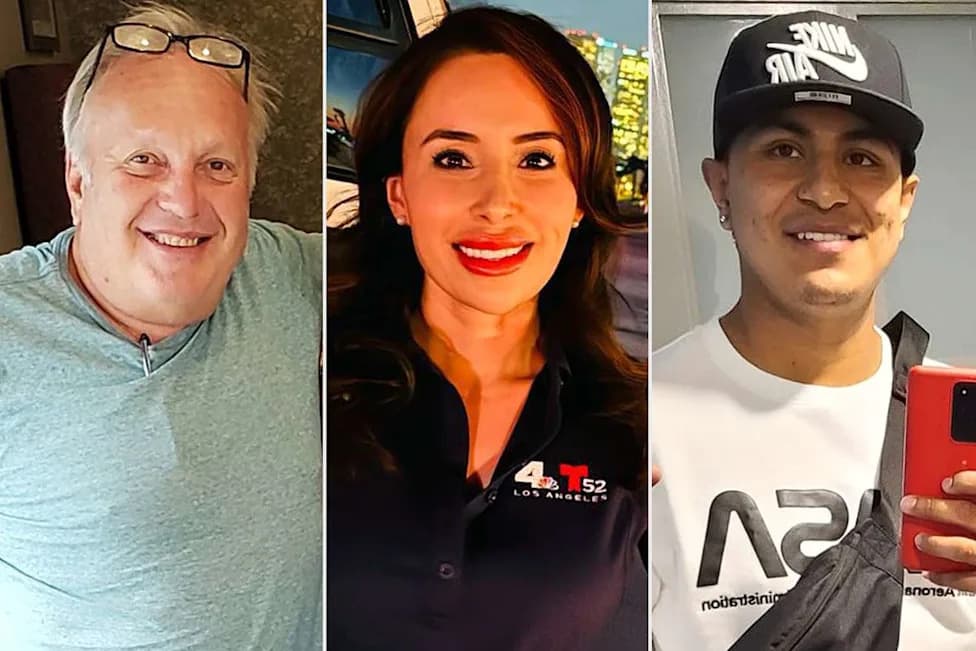
The two aircraft collided about 130 feet above the water when one helicopter was taking off and the other was landing. Four people — chief pilot Ashley Jenkinson, 40; passenger Vanessa Tadros, 36; and U.K. couple Ron and Diane Hughes, 65 and 67 — died in the crash. The pilot of the second helicopter, Michael James, was able to bring his aircraft down nearby, and several passengers escaped or were rescued and taken to hospital.
Survivors’ accounts
Passenger Winnie De Silva, who was on the helicopter flown by Jenkinson, told the court she and her son had taken a last‑minute scenic flight. She said the cabin shook violently after a loud bang and that objects began "falling on our faces." She recalled intense heat inside the wreckage and later realized she had been trapped beneath machinery.
"Once I heard the bang, and shaking started happening, and things started falling on our faces, that's when I realized we weren't going to be safe… the shaking was just terrible," De Silva said in court.
Acting Senior Sergeant Justin Dunn of the Gold Coast Water Police described finding survivors amid leaking aviation fuel and dangerously hot debris. Another passenger, Jessie Maya, said he was in shock and could recall little after the impact. Maya had been filming at the time; footage shown at the inquest reportedly captures the other helicopter approaching slightly below their aircraft before glass shattered on impact.
Evidence and technical findings
Court evidence included passenger and bystander video as well as CCTV showing the helicopter piloted by Jenkinson descending rapidly after the collision. Counsel assisting the coroner asked how two experienced pilots could have collided, prompting attention to technical and communications issues.
Early findings by the Australian Transport Safety Bureau (ATSB) referenced during the inquest noted that a radio call from one aircraft was not heard by the other. A subsequent ATSB report concluded that a faulty radio antenna limited opportunities for the pilots to detect and communicate with each other, reducing the chances to avoid the collision.
The inquest is reviewing the technical reports alongside witness testimony and video evidence to establish the sequence of events that led to the tragedy and to identify any safety lessons that might prevent future accidents.
Help us improve.