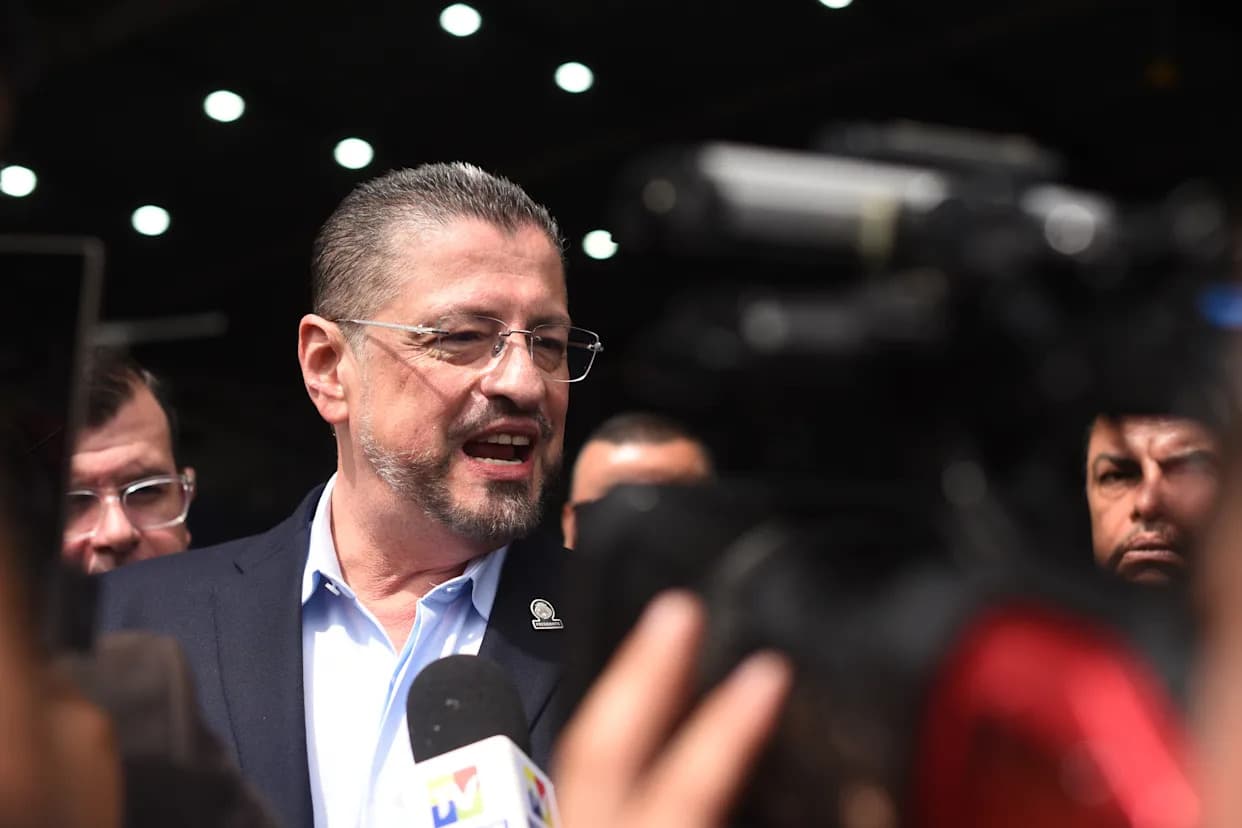
José Antonio Kast leads Chile’s polarised presidential run-off with a campaign focused on security, migration and public order, including a promise to build a three-metre trench on the northern border. His message, amplified through social media, has attracted centre-right support and reflects a broader shift to the Right in parts of Latin America. Kast faces communist former labour minister Jeannette Jara on December 14 in a vote that many view as a stark choice between two divergent visions for Chile.
Chile’s Polarised Run-off: Kast’s Trench Promise and a Turn to the Right

José Antonio Kast, a 59-year-old Christian lawyer and father of nine, has emerged as the frontrunner in Chile’s sharply polarised presidential run-off after the first round of voting. His campaign — built around blunt law-and-order messaging delivered in short social-media clips — promises a three-metre trench along Chile’s northern border, expanded deportations and the construction of so-called “super-prisons” to detain gang members he says have entered the country through mass migration.
Campaign focus: security, migration and order
Kast’s platform centres on crime, migration and public disorder, themes that resonate with voters who feel everyday life has become less secure following years of protest and political upheaval. His proposals tap into fears that Chile could share the fate of other Latin American countries that have seen a surge in gang violence.
A wider regional shift
Analysts note Kast’s rise reflects a broader rightward trend across parts of Latin America, where voters frustrated by economic stagnation and rising violent crime have backed leaders who prioritise security and tough measures. Examples cited by commentators include leaders in El Salvador and Ecuador, who ran on similar law-and-order platforms.
"Chile will choose between two completely opposing models for the country," says Eduardo Cader, director of the Madrid-based conservative think tank Foro Madrid. "On the one side is the continuation of a socialist project… On the other is José Antonio Kast, who represents order, security, economic recovery, and the restoration of the country’s traditional values."
Opponents, background and risks
Kast faces Jeannette Jara, a lifelong communist and former labour minister, in the December 14 run-off. Although Jara narrowly led in the first round, most centre-right candidates have rallied behind Kast, strengthening his path to victory.
Critics argue Kast’s law-and-order agenda is entwined with a troubling political pedigree: he has for years defended aspects of General Augusto Pinochet’s rule and is the son of a German who fought for Nazi Germany in World War II. Opponents warn that measures such as trenches and electric fences recall authoritarian practices from Chile’s past. Supporters counter that only decisive action can stop the spread of organised crime.
Recent political context
Kast’s resurgence comes after a period of left-wing momentum: in 2021 Gabriel Boric, a millennial protest leader, won the presidency on promises of reform. That momentum faltered after a failed constitutional overhaul and internal splits within the left, creating space for a conservative recovery.
Public perceptions of insecurity have increased, even where some crime statistics have not spiked. "This election has been about security, security, security," says Andrés Dockendorff, a political scientist at the University of Chile, noting that concerns about kidnappings and disorder have shaped the debate.
What’s at stake
If polls hold, Kast would become the most right-wing leader elected in Chile since the return of democracy in 1990. Whether his promises will restore stability or deepen political divisions is likely to define Chile’s next chapter.
Key facts: Kast proposes a three-metre trench on the northern border with Bolivia and Peru, accelerated deportations and new high-security prisons; the run-off is scheduled for December 14.
Help us improve.