Six major carriers, including Iberia and TAP, temporarily suspended flights to Venezuela after a U.S. advisory warned of "heightened military activity" around the country. The suspensions coincide with a U.S. deployment to the Caribbean described as an anti-narcotics operation; Venezuelan officials say the move aims to pressure President Nicolás Maduro. The FAA has urged airlines to exercise caution while political leaders on both sides exchange strong rhetoric. Travelers should check with carriers for schedule updates and heed official travel advisories.
Six International Airlines Halt Flights to Venezuela After US Issues Safety Advisory

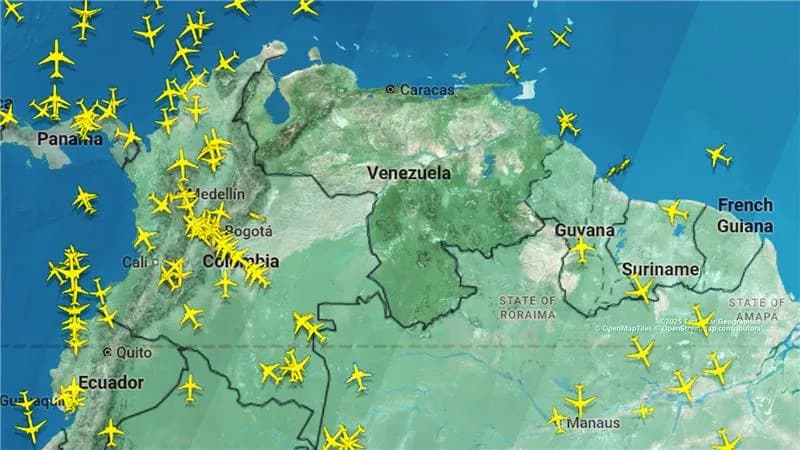
Six international carriers have suspended services to Venezuela following a U.S. advisory warning of "heightened military activity" and a "potentially hazardous situation" around the country. The move has raised fresh concerns about regional security and air-travel safety as diplomatic tensions between Washington and Caracas intensify.
Airlines affected: Iberia, TAP, LATAM, Avianca, GOL and Caribbean Airlines temporarily halted flights to Venezuela. TAP said it cancelled services scheduled for Saturday and the following Tuesday, while Iberia suspended flights to Caracas until further notice. Other carriers, including Copa Airlines, Air Europa, Plus Ultra, Turkish Airlines and Laser Airlines, have continued operating for now.
Safety advisory and aviation guidance
U.S. authorities issued a notice to major carriers advising caution because of what they described as heightened military activity around Venezuelan airspace. The U.S. Federal Aviation Administration (FAA) subsequently urged flights in the region to "exercise caution" at all altitudes, including during overflight and during arrival and departure phases, as well as for airports and aircraft on the ground.
Broader geopolitical context
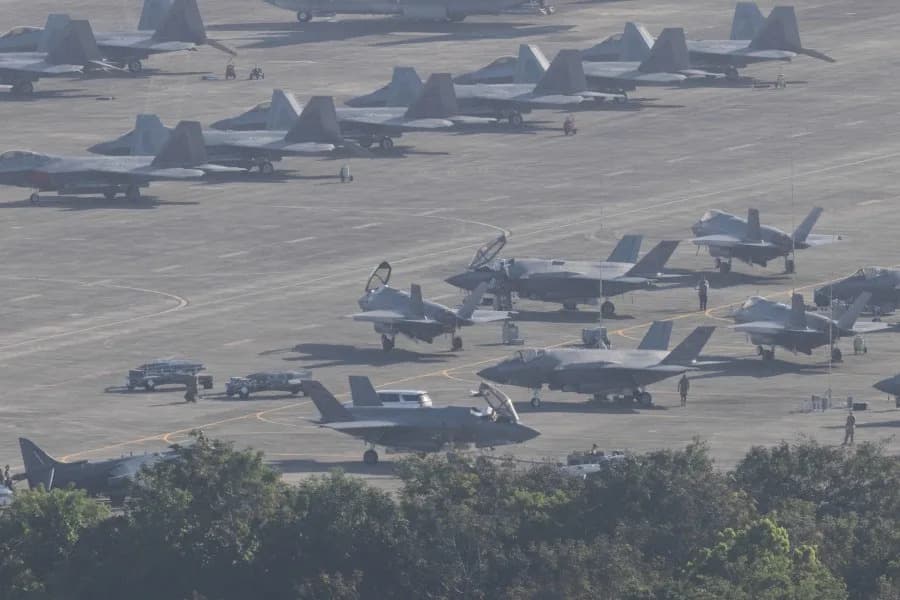
The suspensions come amid escalating tensions between the United States and Venezuela. Washington has deployed troops and a large aircraft carrier to the Caribbean as part of an anti-narcotics operation that U.S. officials say targets drug trafficking. Venezuelan authorities contend the deployment is intended to pressure or destabilize President Nicolás Maduro’s government.
Reports indicate that U.S. forces have engaged in operations against suspected drug-smuggling vessels in the Caribbean and Pacific, with some accounts alleging multiple attacks and dozens of fatalities. The U.S. administration also increased a reward tied to information leading to the arrest or conviction of President Maduro and has designated the organization known as the "Cartel de los Soles" in confrontational terms. These actions have been framed by critics as aggressive measures that raise legal and diplomatic questions.
Political reactions
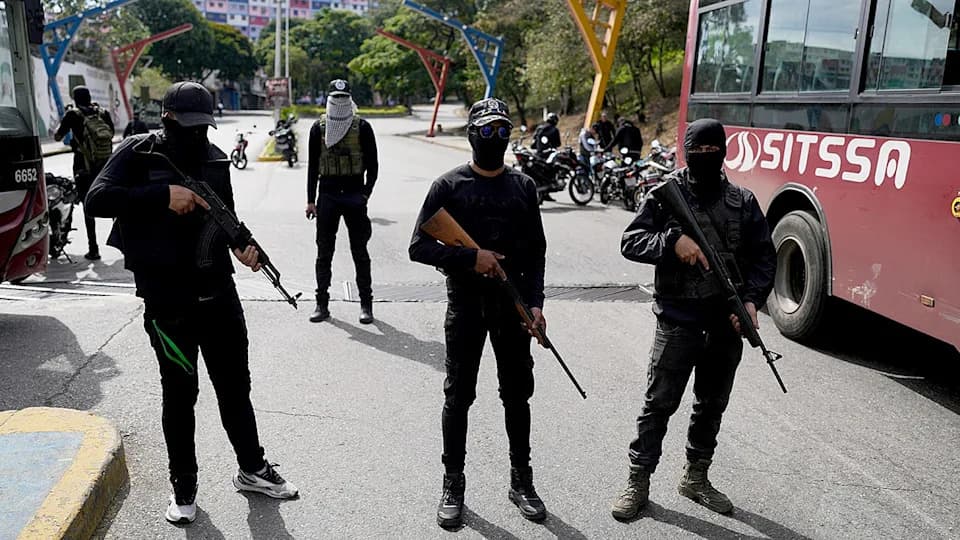
President Trump has delivered mixed public signals about U.S. intentions toward Venezuela. In media interviews he suggested both reluctance to go to war and a willingness to consider a range of options, including talks or potential military measures. Venezuelan President Nicolás Maduro has accused the United States of manufacturing pretexts for intervention and warned that Venezuela would defend its sovereignty.
"No foreign power will impose its will on our sovereign homeland," President Maduro said, warning that attempts to break peace would face "a truly monumental surprise."
Opposition leader María Corina Machado has called for political transition measures and argued that respecting the will of the Venezuelan people is essential for an orderly and peaceful change. Machado has also advocated economic reforms, including opening Venezuela’s oil sector to private and foreign investment.
What this means for travelers
Passengers heading to or transiting through Venezuela should check with their airlines for the latest schedule updates and advisories. Travelers should monitor official government travel guidance and be prepared for further service interruptions or route changes while authorities evaluate safety conditions.
Help us improve.