COP30 in Belém ended without a formal agreement to phase out fossil fuels, though delegates approved beginning negotiations to draft such a plan. Wealthy countries pledged $120 billion by 2035 for adaptation, contributing toward a $300 billion financing target; a proposed $1.3 trillion fund did not materialize. A Tropical Forest Forever Facility was created with about $6.6 billion committed, and formal phaseout talks will continue ahead of the 2026 conference in Turkey.
COP30 Ends Without Fossil-Fuel Phaseout Deal; Negotiations to Draft Plan Will Begin

Delegates at the United Nations COP30 climate summit in Belém, Brazil, concluded the meeting without adopting a formal agreement to phase out global fossil fuel use. Instead, participants approved launching negotiations to draft a plan for a gradual phaseout amid firm resistance from major oil- and gas-producing countries.
Conference negotiators endorsed a voluntary, negotiated process to shape a future fossil-fuel phaseout plan. The initial draft text presented at the summit did not include explicit language calling for the end of fossil fuel use, reflecting deep divisions among nations over how quickly and under what terms any phaseout should occur.
In place of a binding fossil-fuel commitment, wealthier participant countries agreed to provide $120 billion by 2035 to help developing nations adapt to climate impacts. Organizers said that contribution will count toward a broader $300 billion financing target for climate action in developing countries, though a previously hoped-for $1.3 trillion finance package did not materialize.
Delegates also confirmed the creation of a Tropical Forest Forever Facility to combat deforestation; the facility already has about $6.6 billion committed. Summit leaders described the fund as an important tool for protecting critical carbon sinks and supporting sustainable land use.
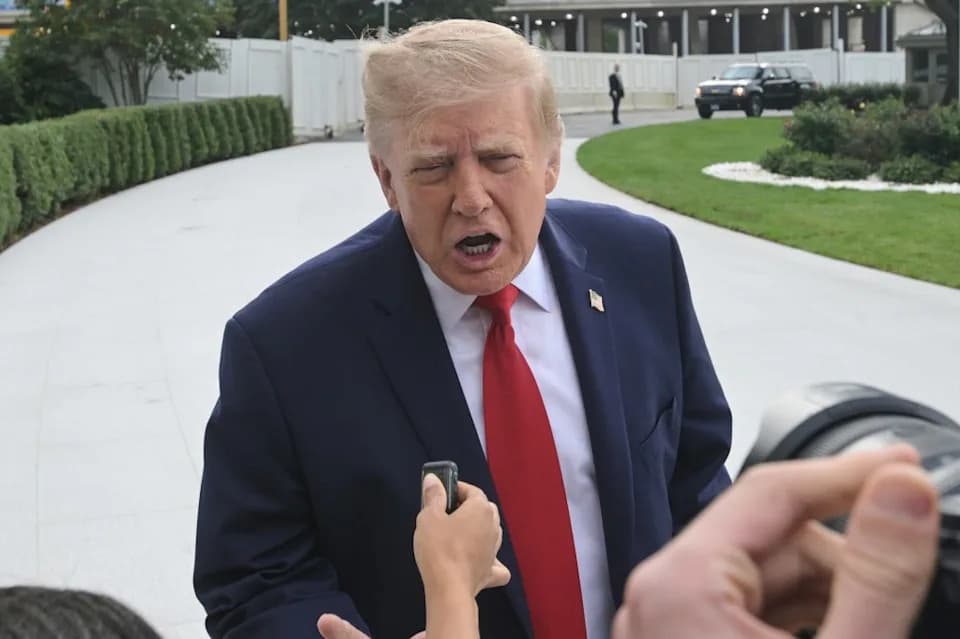
The United States did not send a full national delegation to COP30. President Donald Trump had said the U.S. would not attend; some American officials and subnational leaders participated instead. California Governor Gavin Newsom attended and publicly criticized the administration’s absence from the talks.
Organizers said formal negotiations to draft a fossil-fuel phaseout plan will commence following the summit as part of the U.N. climate process. The next major U.N. climate conference is scheduled for 2026 in Turkey.
What this means: COP30 produced incremental financial commitments and a pathway to negotiate a phaseout plan, but it underscored the political obstacles to securing a unanimous global agreement to end fossil fuel use. The coming months of negotiations will be decisive for whether a concrete and time-bound plan can gain broad international support.
Help us improve.