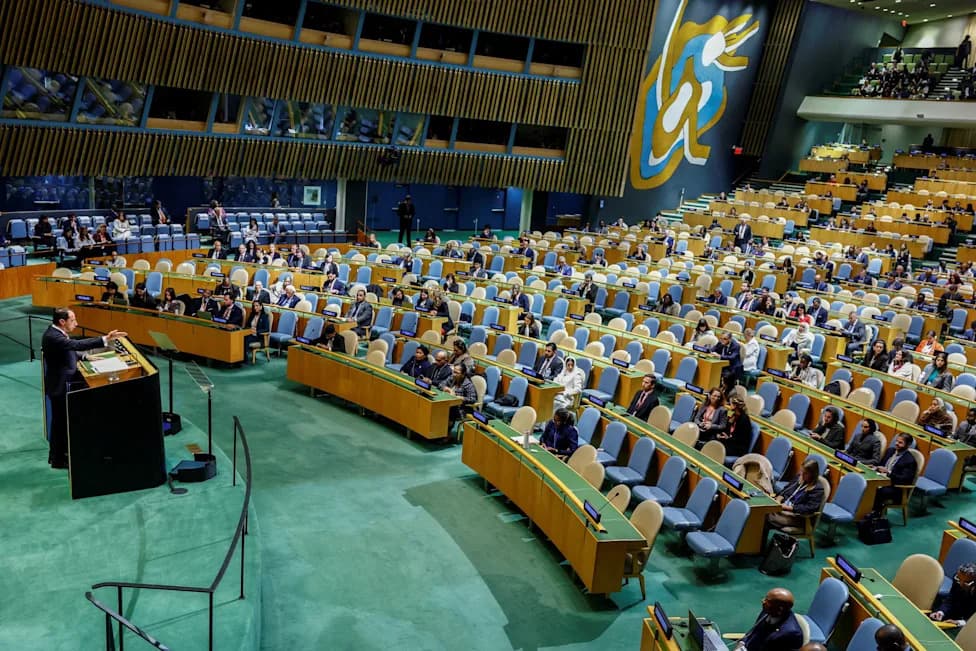
The G20 summit in South Africa produced a declaration focused on securing critical mineral supply chains, addressing debt and inequality, and rapidly scaling climate finance. South Africa led under the theme "Solidarity, Equality, Sustainability," and the summit—held for the first time in Africa—was boycotted by the United States. The text encourages development-led mineral exploration and financial reforms to ease debt burdens but stops short of endorsing a fossil fuel phaseout.
G20 in South Africa: Leaders Move to Secure Critical Minerals, Ease Debt and Scale Climate Finance

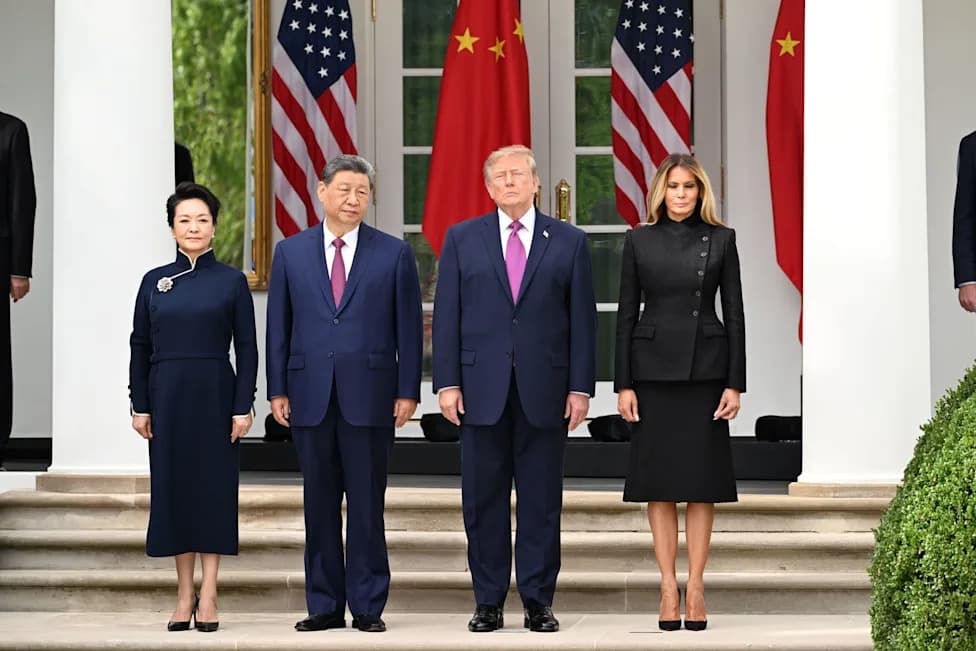
The first-ever G20 summit on African soil concluded with leaders endorsing a declaration that centers on securing critical mineral supply chains, tackling global inequality and debt vulnerabilities, and rapidly scaling climate finance. South Africa presided over the gathering under the theme "Solidarity, Equality, Sustainability." The summit was notable for a U.S. boycott and tense side discussions over proposals related to the war in Ukraine.
Critical minerals
Leaders committed to protecting the global value chain for critical minerals from disruptions caused by geopolitical tensions, unilateral trade restrictions that conflict with World Trade Organization rules, pandemics or natural disasters. The declaration encourages increased exploration of these minerals—many abundant in Africa—with an emphasis on using resources to drive development and local value addition rather than exporting raw materials alone.
The text also acknowledged concerns about the concentration of processing and supply in certain countries and urged diversification and resilience across supply chains to support the global energy transition and high-tech industries.
Just, lasting peace
The summit called for a "just, comprehensive, and lasting peace" in conflict zones including Ukraine, Sudan, the Democratic Republic of Congo and the "Occupied Palestinian Territory," anchored in the UN Charter. It urged states to "refrain from the threat or use of force" against the territorial integrity and political independence of any country. While Ukraine is mentioned only briefly in the document, it proved a focal point of separate diplomatic activity at the summit.
Inequality and debt
Addressing inequality was a central South African priority. The declaration highlights the imperative to tackle disparities in wealth and development both within and between countries and supports the establishment of mechanisms to study global wealth gaps.
Leaders urged reforms to international financial architecture to help low-income countries manage debt burdens that are constraining investment in infrastructure, healthcare, education and disaster resilience. The text calls for greater transparency from lenders, including private creditors, supports a review of the International Monetary Fund, and endorses work toward global minimum taxation. Language on taxing the ultra-wealthy was more cautious than in previous G20 communiqués.
Climate
Adopted the same day as COP30 concluded, the declaration emphasizes the need to rapidly scale climate finance "from billions to trillions" across public and private sources. It calls for increased, de-risked and diversified investments to accelerate sustainable energy transitions and notes the unequal access to energy—especially in Africa.
Leaders also committed to expanding early warning systems for climate-linked disasters to better protect vulnerable populations in least developed countries. The declaration, however, stops short of endorsing an explicit phaseout of fossil fuels.
Implications: The declaration reflects a pragmatic, compromise-driven text: it advances resilience and financing priorities important to developing countries, signals concern about concentrated supply chains, and pushes for financial reforms—but it avoids politically divisive commitments such as an explicit fossil fuel phaseout. Implementation will depend on follow-up work by G20 members, international institutions and private investors.
Help us improve.