Rubicon, a previously secret Moscow-based unit, has rapidly scaled drone production and tactics — from fibre-optic tethered UAVs to plywood Molniya "motherships" — to strike logistics, drone teams and maritime targets. Its training and mass deployment of new platforms has forced Ukraine to adopt countermeasures such as electronic warfare, radar networks and targeted strikes on forward bases. Analysts warn that partnerships with small manufacturers and the push toward autonomous swarms make this a fast-evolving threat that reshapes battlefield operations.
Rubicon's Drone Revolution: How a Secret Russian Unit Is Pressuring Ukrainian Defenses

A covert Moscow-based unit known as the Rubicon Center for Advanced Unmanned Technologies has rapidly reshaped drone warfare on the eastern front, eroding an early Ukrainian advantage and forcing Kyiv to adopt new countermeasures.
Rapid rise and structure
Rubicon expanded quickly after support from senior defence officials and has been integrated into a wider Russian effort to create a dedicated command for unmanned aerial systems. Its units now include operators, engineers, technicians and support specialists, and they train other drone formations across multiple front sectors.
Key technologies and tactics
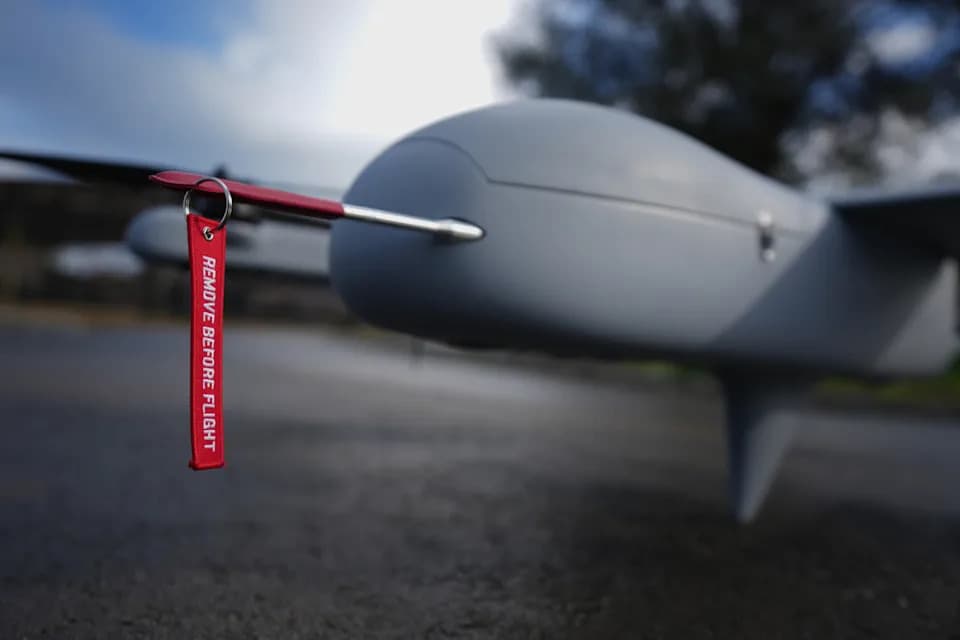
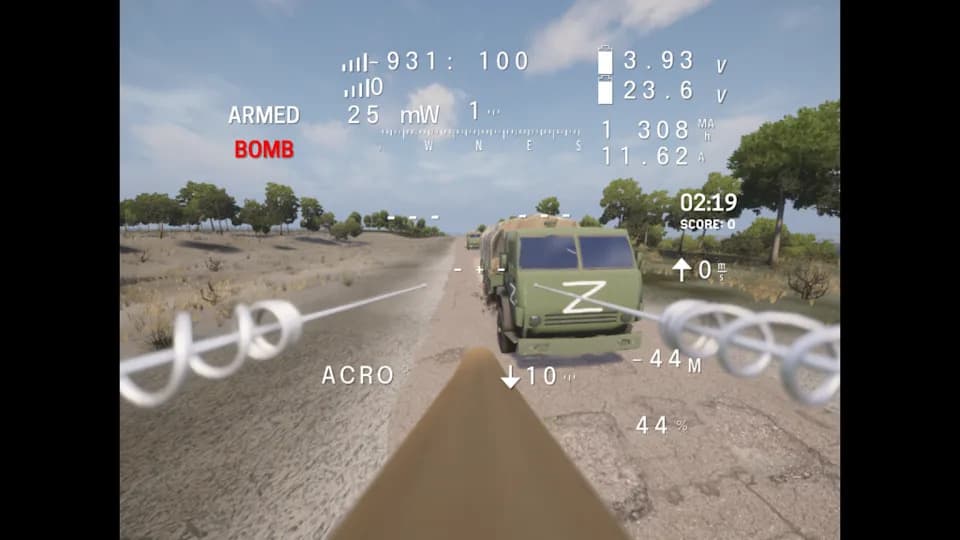
Rubicon develops a variety of platforms and supporting systems. Notable innovations include fibre-optic drones — tethered by a cable that provides a secure, real-time video feed and resists electronic jamming — and simple, low-cost platforms such as the plywood Molniya. The Molniya’s later versions can carry payloads of up to 7 kg, penetrate more than 30 km behind lines, and act as a "mothership" launching FPV munitions.
The unit also tests advanced robotic systems, applies artificial intelligence for operational use, and helps build radar and detection networks to locate and down enemy drones. Rubicon personnel reportedly study captured UAVs to reverse-engineer electronics, communications and navigation systems.
Operational impact
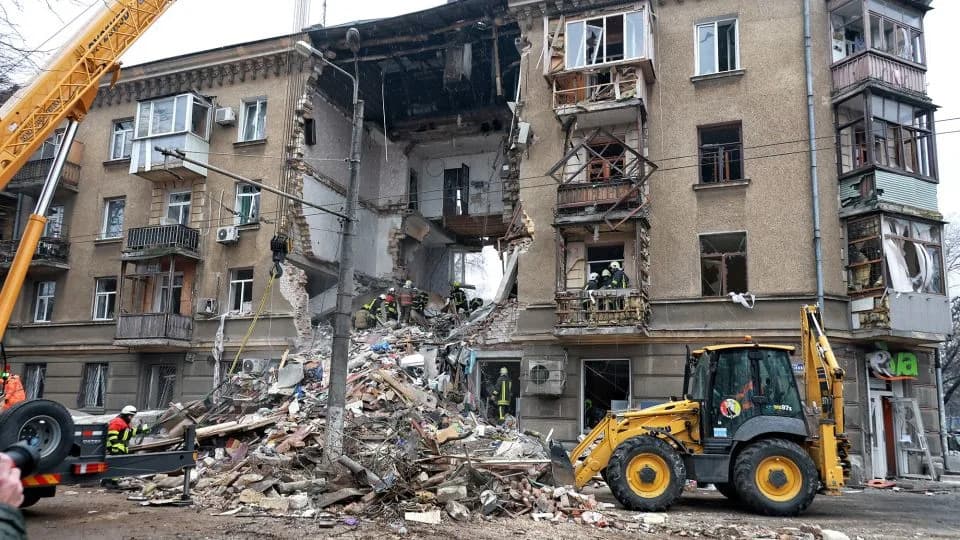
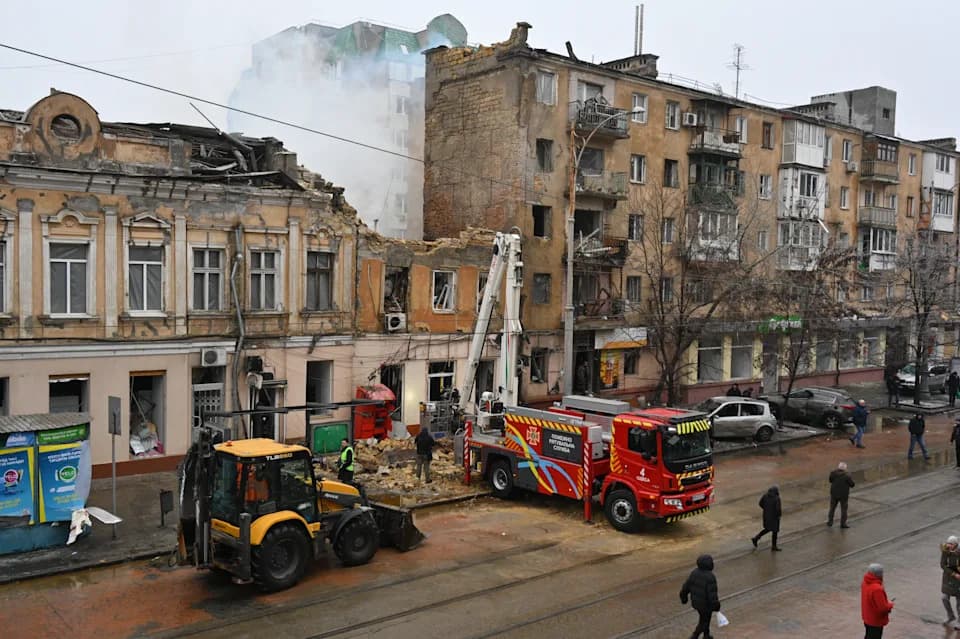
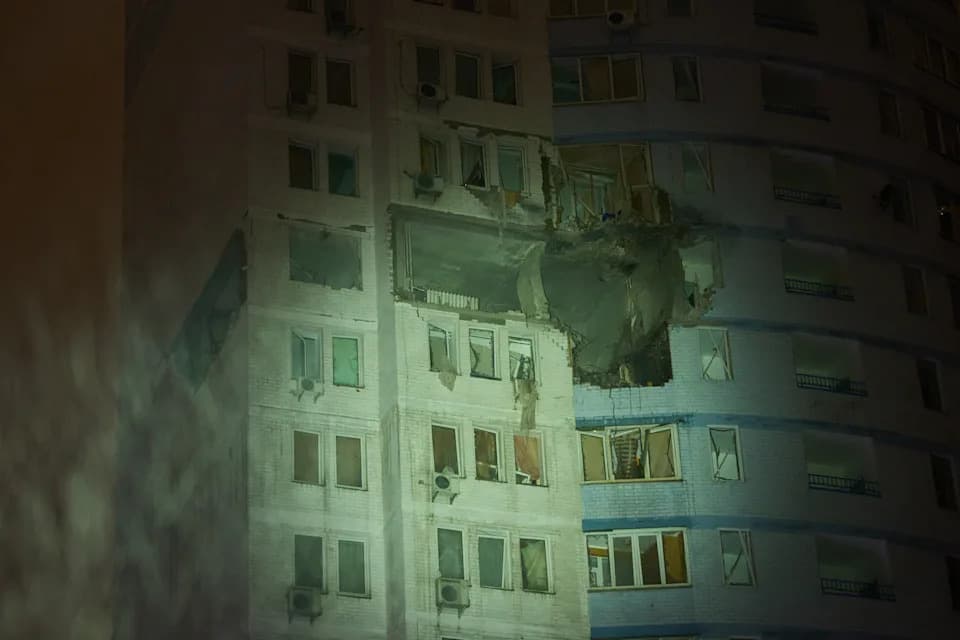
Rubicon detachments have been credited with strikes on logistics nodes, command and control sites, and even maritime targets. These operations have disrupted supply routes, degraded communications and targeted enemy drone operators — sometimes deep behind the front lines. Multiple frontline commanders reported sudden, well-trained Russian detachments that changed local battles by hunting logistics and drone teams.
Analysts describe the current battlefield as a saturated drone environment. Movement within roughly 15 km of the front has become extremely hazardous: vehicles and artillery platforms face frequent drone attack, and many headquarters are being moved underground to reduce detection and destruction risks.
Ukrainian countermeasures and escalation
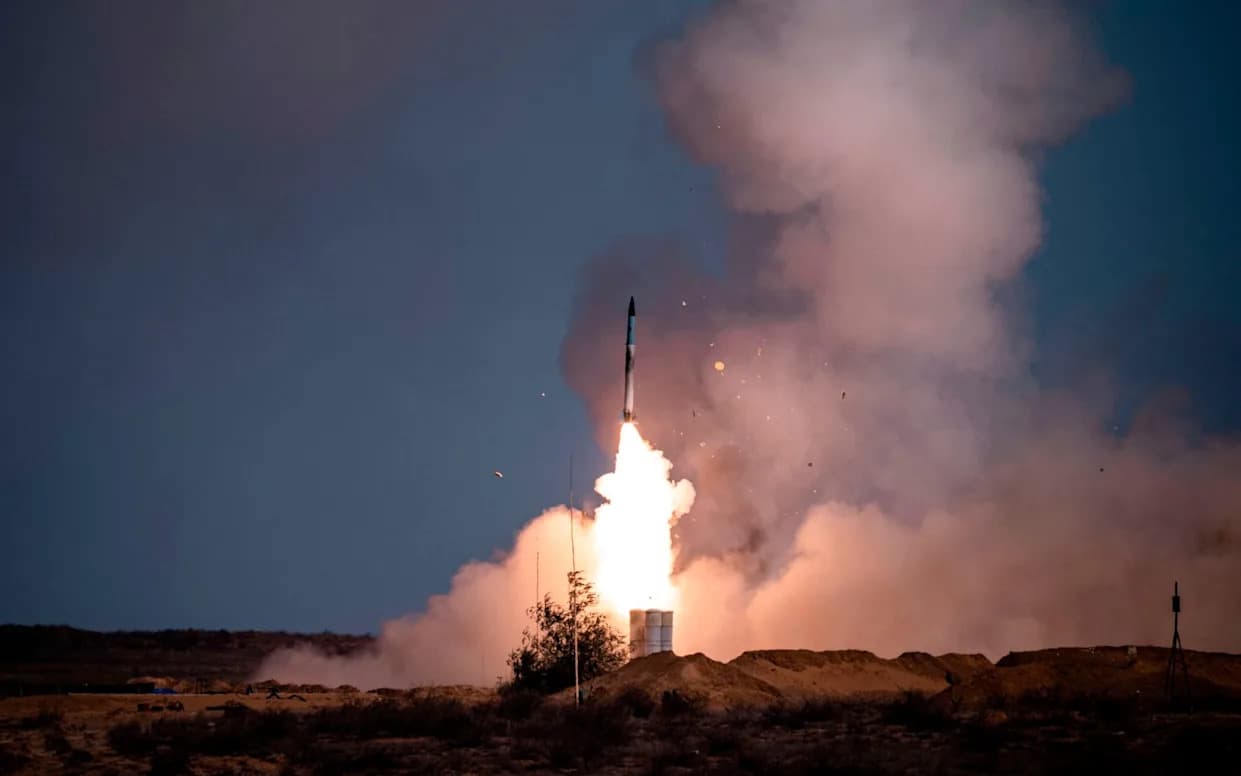
Ukraine has responded with a mix of electronic warfare, physical countermeasures and targeted strikes against suspected Rubicon forward bases. Measures include frequency-hopping and reconfiguration of EW systems, radar networks to detect incoming drones, improvised nets on roads and railway lines, and raids (including drone strikes) on facilities believed to host Rubicon units. Both sides continually adapt — one band's innovation quickly prompts a new countermeasure from the other.
Industry links and strategic implications
Rubicon’s work has been supported by partnerships with small manufacturers producing combat drones. This informal ecosystem of start-up design bureaus and small producers has allowed rapid iteration and mass production of new models. Analysts warn that this model — coupled with autonomous and swarm-capable concepts — makes Russian forces a more adaptive and potentially more dangerous adversary, with implications beyond Ukraine.
Outlook
The conflict has become an ongoing contest between drone offensives and anti-drone systems: detection, disruption and adaptation occur almost daily. For frontline units, survival increasingly depends on rapid cycles of detection and destruction. As one veteran drone commander summarized, the dynamic is relentless: systematic detection, strike and then adaptation.
Sources: statements from military officers and analysts, field reports, and public statements by Rubicon and Ukrainian defence intelligence.
Help us improve.