Ukrainian Fight Drone Simulator (UFDS) turns an academy-level drone trainer into a consumer game priced at about $30 while the full military simulator remains free to Ukrainian forces. The public version keeps realistic flight physics but removes tactical and long-range mission details to avoid exposing sensitive information and to improve playability. Developed with input from the Drone Fight Club Academy — which has trained 5,000+ drone operators and worked with the U.S. Air Force at Ramstein — UFDS currently has a small player base and organizers plan a championship to boost interest.
Military-Grade Drone Trainer Becomes First Consumer Game: Ukrainian Fight Drone Simulator Now For Sale
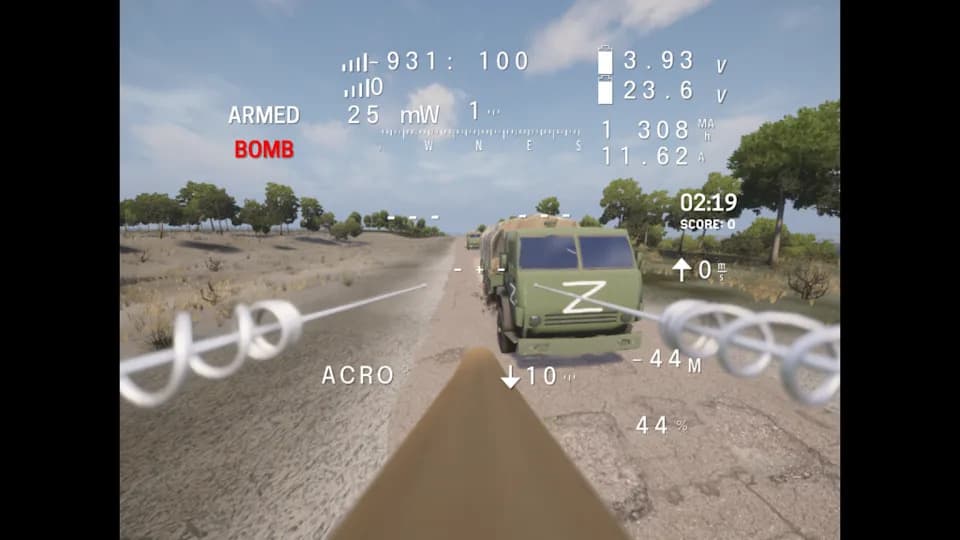
A screenshot from the(Ukrainian Fight Drone Simulator)
London — A consumer version of a frontline first-person drone training program developed for Ukraine’s armed forces is now on sale to the public. The product, called Ukrainian Fight Drone Simulator (UFDS), adapts ultra-realistic flight physics and controls from an academy-grade trainer into a streamlined game meant for home use.
What UFDS Offers
UFDS is listed online at about $30 and preserves the tactile feel and flight realism used to train Ukrainian drone pilots who locate and engage Russian tanks, missile launchers and ground units. The full military-grade simulator remains available free to members of the Ukrainian Armed Forces.
The Drone Fight Club Academy, led by CEO Vlad Plaksin, was a principal developer of the software. The academy has trained more than 5,000 Ukrainian drone operators since it opened early in the war and collaborated with the U.S. Air Force for a training session at Ramstein Air Base in Germany.
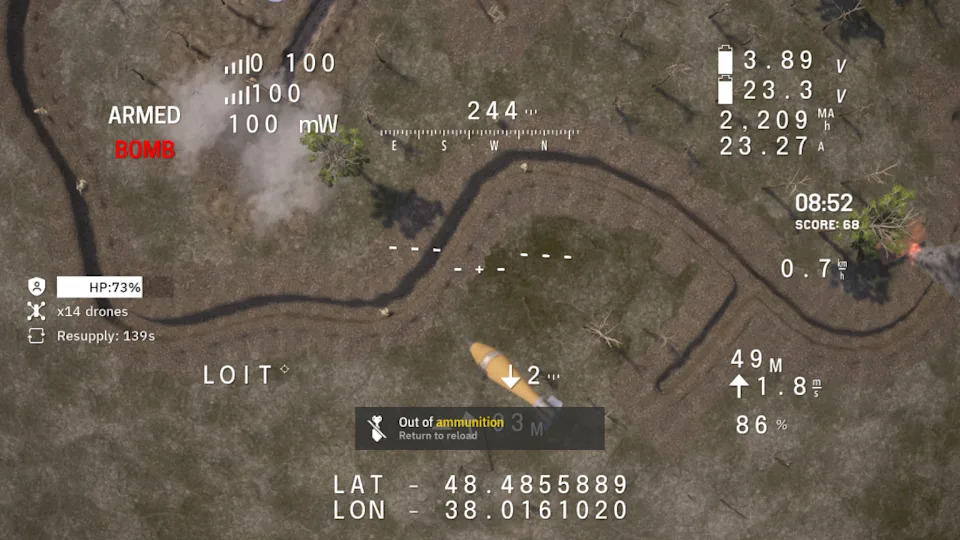
The view from a simulated drone just after it releases a bomb over a Russian trench, as seen in a screenshot from the Ukrainian Fight Drone Simulator video game. / Credit: Ukrainian Fight Drone Simulator
"One aim in turning the military program into a video game is to train young Ukrainians to fly drones, to give them a possibility not to go to the trench with rifles," Plaksin told CBS News.
Realism, But With Limits
Developers describe UFDS as a "public adaptation of a leading ultra-realistic FPV [first-person view] drone trainer, built on lessons from the Ukrainian front line." The consumer version simulates multiple drone types, mission scenarios and variable weather conditions intended to teach the basics of FPV operations and provide an immersive experience.
However, the publicly sold edition deliberately omits sensitive tactical details and long-range mission procedures that are present in the academy's Full Simulator. Plaksin said the main difference between the public and military versions is tactical content: the consumer edition gives users core flight knowledge but not the tactics that could be useful to adversaries.
Gameplay And Design Decisions
To keep the game engaging for a general audience, the developers trimmed lengthy, methodical aspects of real drone operations. For example, where real missions might require sustained long-distance flights and careful map-reading, the consumer edition adopts a more arcade-like pacing while retaining realistic controls and physics. Plaksin noted that those pared-down elements mean players will have "less understanding of missions, less understanding of how to fly for a huge distance," compared with academy trainees.
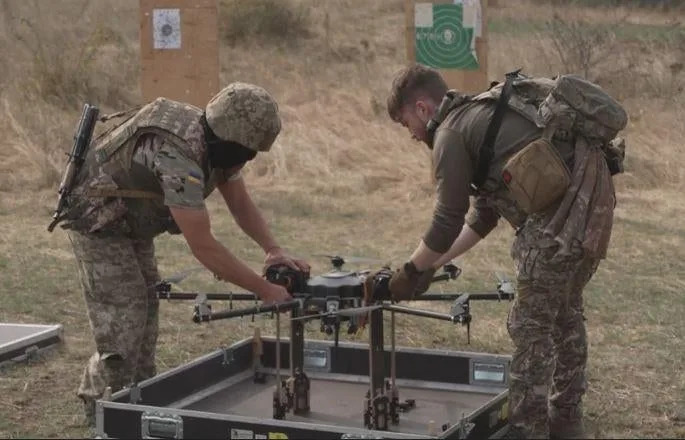
Ukrainian soldiers with a drone unit from the 24th Mechanized Brigade prepare a Ukrainian-designed R18 octocopter UAV during a training exercise in eastern Ukraine, in early October 2023. / Credit: CBS News
Ethics And Audience
The transition from military trainer to consumer product raises ethical questions. Plaksin acknowledged it is "a very sensitive question," but pointed out that militaries have long used simulators and games for recruitment and training. He cited the U.S. Army’s "America's Army" series as an earlier example of a game with recruitment-adjacent aims, though UFDS is more realistic in its flight model.
At present UFDS remains a niche title, with roughly 50 daily online players. Detailed simulators often attract small but dedicated communities rather than mainstream audiences. To broaden appeal, organizers are planning a competitive championship aimed at increasing participation and visibility.
Why This Matters
UFDS is notable because it is, to the developers' knowledge, the first commercial consumer title derived directly from active military training software rather than a game later adapted for training. That reversal — turning a frontline trainer into a public product — is what makes the release newsworthy and prompts debate over security, ethics and the future of military-civilian simulation crossover.
Help us improve.