Jay Jones won Virginia's attorney general race by more than six points despite the late disclosure of violent text messages from 2022 that referenced House Speaker Todd Gilbert and his family. Jones apologized, faced additional scrutiny over a 2022 reckless-driving conviction, and has sought to stabilize his transition by naming former Gov. Ralph Northam as a co-chair and speaking with Gov.-elect Abigail Spanberger. Democrats say his victory shows voters moved on; Republicans call the messages disqualifying. Jones says he is focused on building an effective office and restoring trust.
Virginia Attorney General-Elect Jay Jones Prepares to Assume Office as Violent-Text Fallout Lingers

Democrat Jay Jones, Virginia's attorney general-elect, prevailed by more than six percentage points despite a late controversy over years-old violent text messages that referenced a top Republican lawmaker and his family. As Jones prepares to take office, the episode continues to shape perceptions of his fitness for the state's top law-enforcement role.
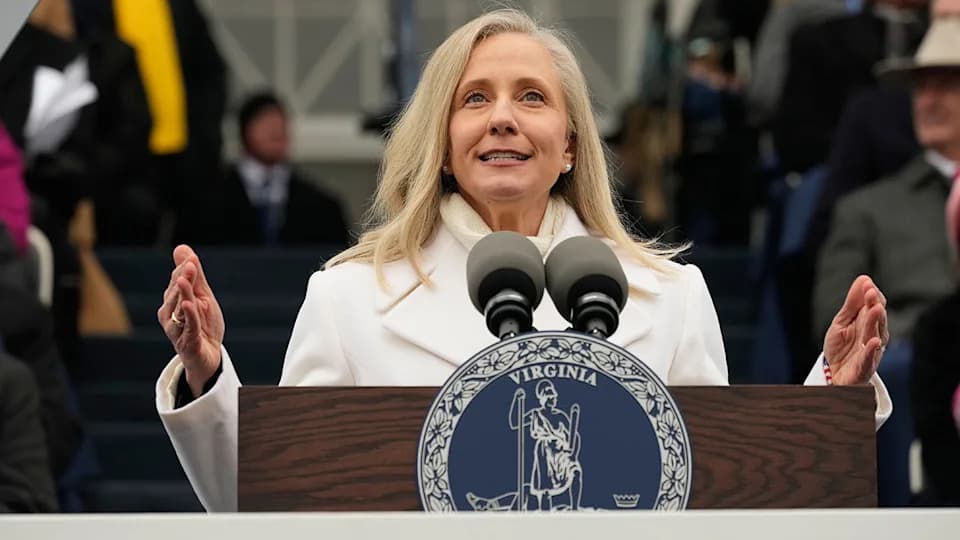
Jones' victory benefited from a favorable environment for Democrats this cycle and strong turnout for Gov.-elect Abigail Spanberger. Still, the revelation in October of 2022 texts—in which Jones suggested violence against then-House Speaker Todd Gilbert and referenced his family—briefly turned what is typically a low-profile, off-year contest into a national story.
'There is no doubt it was a cloud over his election. It will be discussed around his inauguration and when he gets started,' a Democratic strategist with Virginia campaign experience said, speaking on the condition of anonymity. 'But scandals have short lifespans in politics.'
Jones issued repeated apologies, saying he was 'embarrassed, ashamed, and sorry.' He also faced questions during the campaign about a 2022 reckless-driving conviction. Despite the disclosures, Jones did not mention the texts in his election-night remarks and focused on the campaign's core themes of public safety and protecting Virginians' rights.
Exit polling showed the texts weighed heavily for many voters: more than four in 10 in the attorney general contest said the messages disqualified Jones from the office. Among that group, the vast majority voted for his opponent, Jason Miyares. Voters who described the texts as 'concerning but not disqualifying' overwhelmingly backed Jones.
Since the election, Jones has kept a relatively low profile while making transition plans. He named former Gov. Ralph Northam to co-chair his transition team; Northam, who faced his own scandal in 2019 related to a racially offensive yearbook photo, has experience navigating public controversy and rebuilding political relationships. Supporters say Northam's presence can help Jones manage the remaining political fallout.
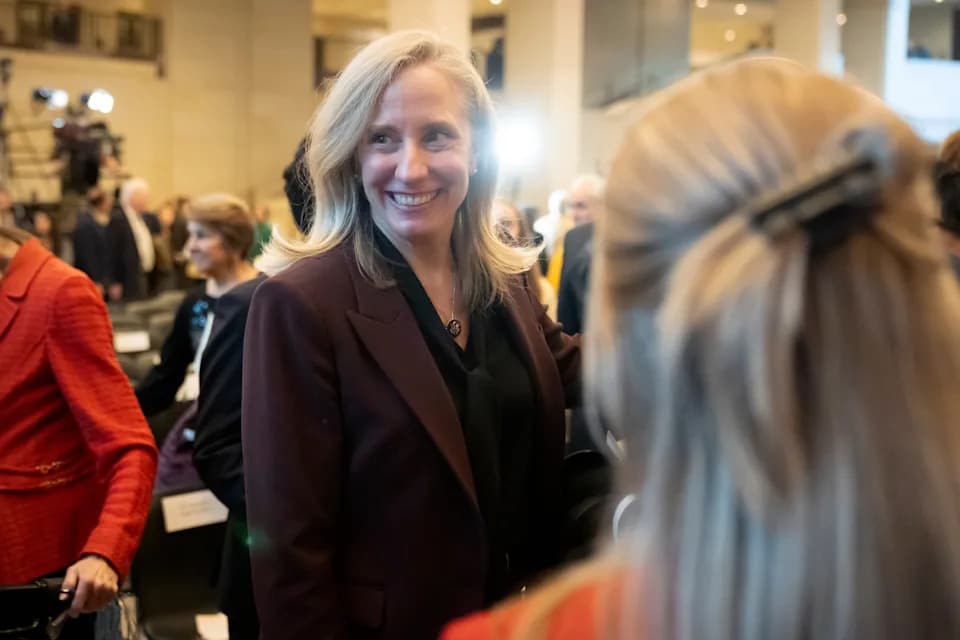
Jones also spoke by phone with Gov.-elect Abigail Spanberger to discuss cooperation on public-safety issues and the transition, a source familiar with Spanberger's team described the conversation as productive. In a statement, Jones said he was 'honored that Virginians have elected me to be their next attorney general' and that he is focused on building 'an office that will deliver for Virginians on day one.'
Democratic allies argue Jones has apologized and done what is needed politically to move forward, noting his margin of victory as evidence that voters weighed the scandal and still backed him. 'If there is any repairing to be done, he would do that in the job that he does as attorney general,' said Democratic state Sen. Mamie Locke, a longtime friend and confidant of Jones.
Republicans, however, continue to call the texts disqualifying. Prominent conservatives, including former President Donald Trump, urged Jones to leave the race after the messages surfaced, and outgoing Gov. Glenn Youngkin said he remained 'incredibly concerned' about Jones' ability to perform the office's duties. Virginia-based Republican strategist Zack Roday described Jones as politically vulnerable and said the attorney general-elect will have to 'work pretty darn hard behind the scenes' to rebuild trust.
As Jones moves toward inauguration, he faces a narrow path: use the transition to assemble an experienced team, demonstrate competence in office, and rebuild relationships with skeptical constituents and officials. How effectively he does so will determine whether voters' post-election acceptance solidifies into durable political legitimacy or whether the texting episode continues to shadow his tenure.
Help us improve.