Federal prosecutors moved to dismiss charges against Marimar Martinez after a judge highlighted significant problems in the investigation into a Border Patrol shooting during protests in Chicago. Court evidence included text messages in which the agent appeared to boast about the shooting and the decision to allow the agent’s damaged SUV to be driven over 1,000 miles, potentially compromising forensic evidence. Legal experts said those issues undermined the government’s ability to prove Martinez posed an immediate threat. Martinez, who was shot multiple times, says she hopes to return to teaching and move on.
Judge Drops Charges After Texts and a Moved SUV Raise Doubts in Chicago Border Patrol Shooting

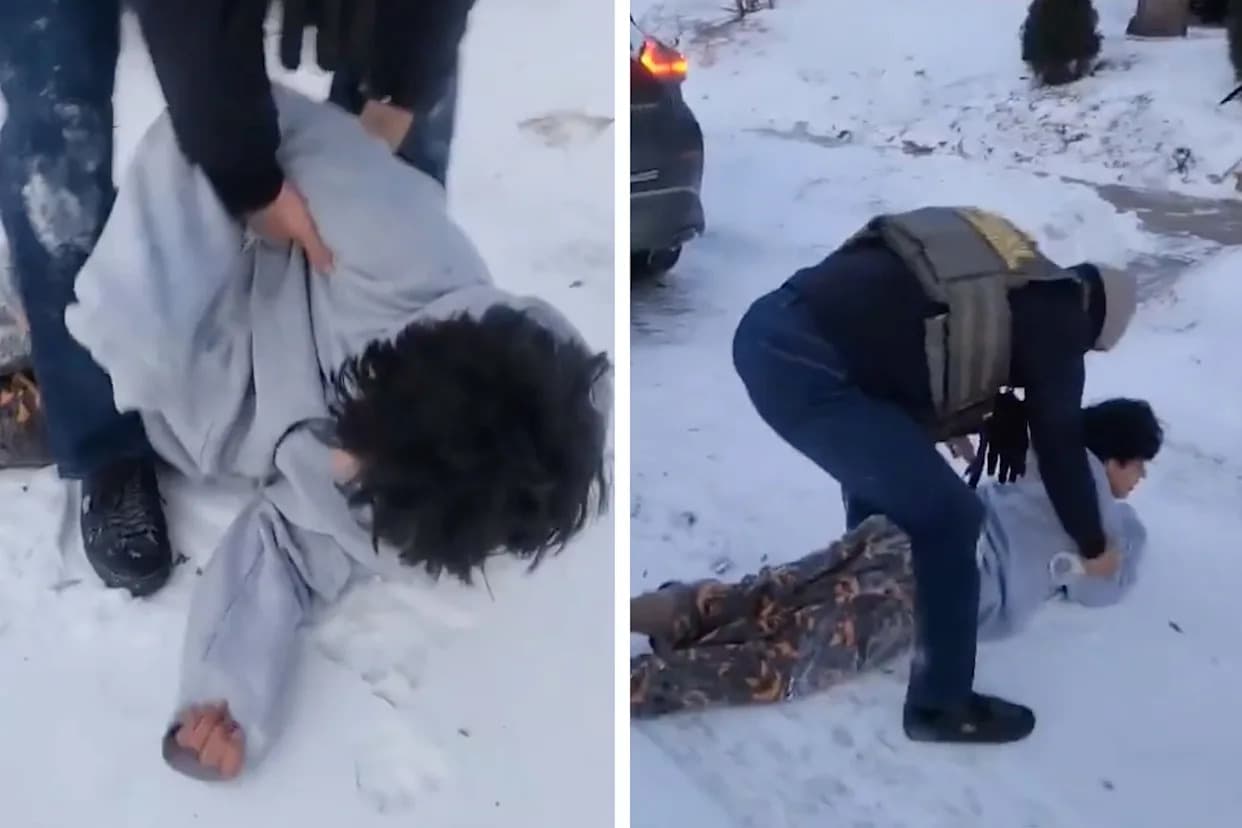
Federal charges against Marimar Martinez were dismissed after U.S. District Judge Georgia Alexakis raised serious concerns about the government’s investigation into a shooting in which a Border Patrol agent shot Martinez multiple times following a vehicle collision during protests in Chicago.
The judge’s decision followed a motion by federal prosecutors to dismiss the case against Martinez and her co-defendant, Anthony Ruiz, in a matter tied to the enforcement operation known as Operation Midway Blitz. Prosecutors said they had reevaluated the evidence after disclosures in court highlighted inconsistencies and potential handling errors.
Key issues raised in court
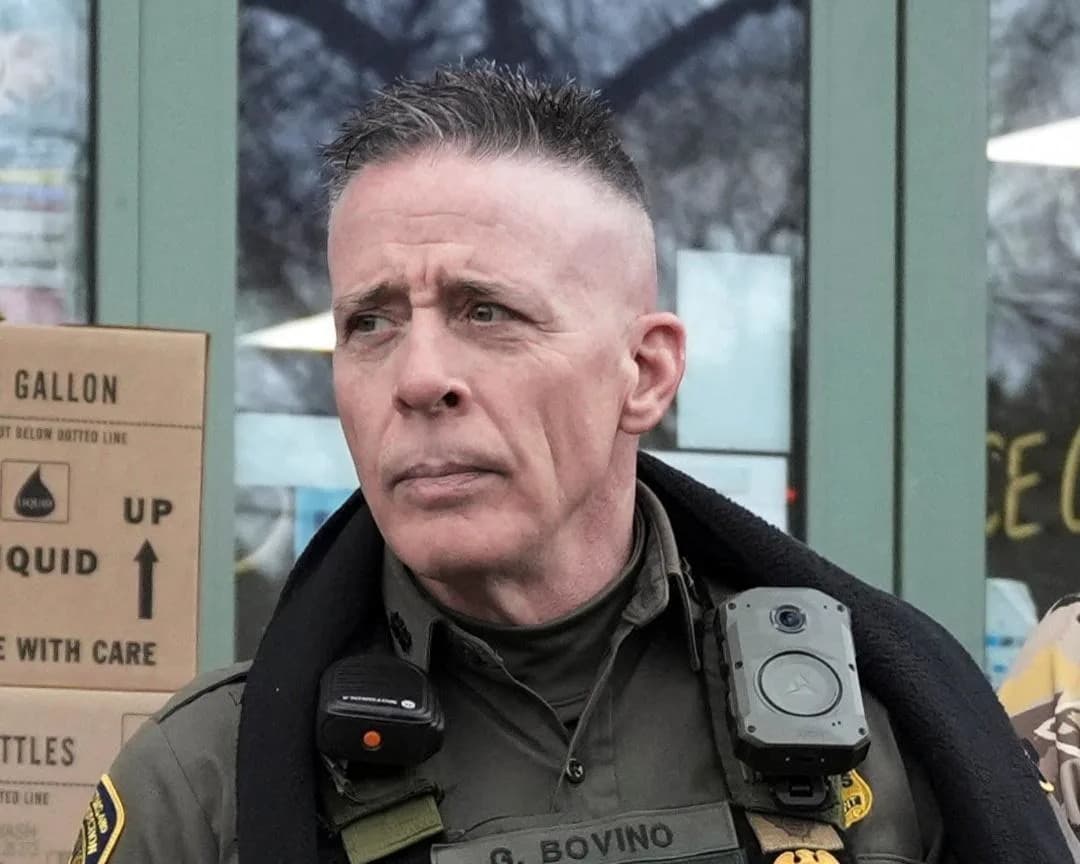
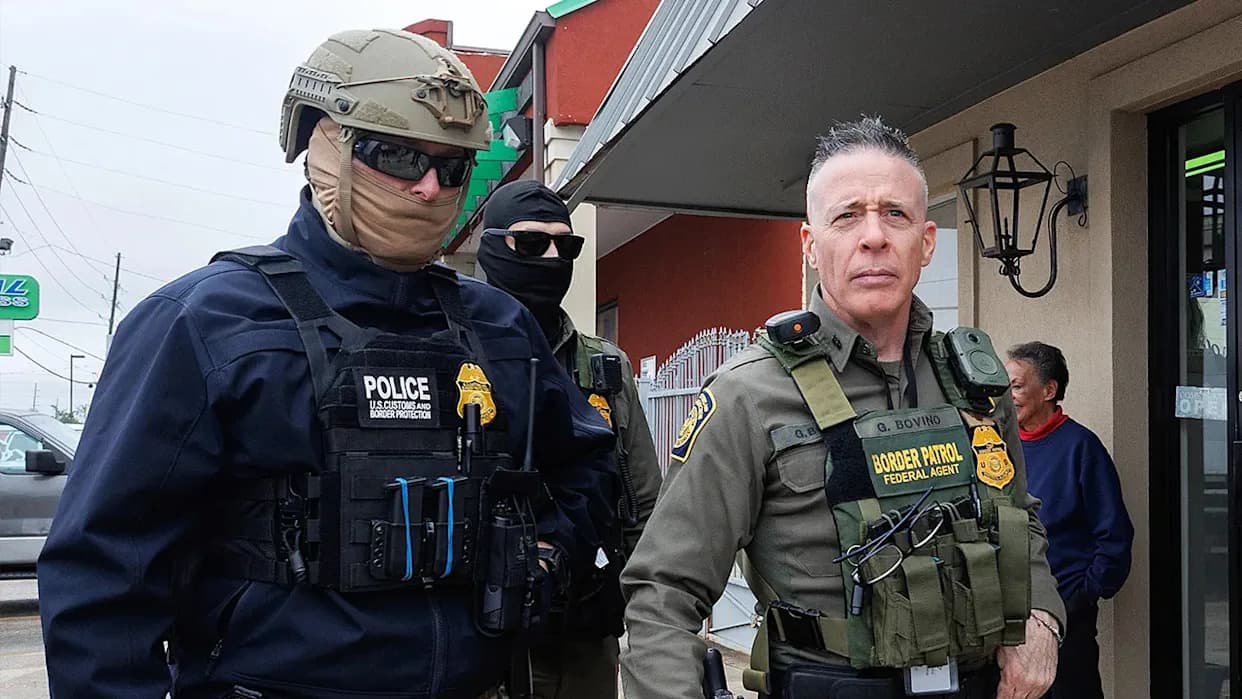
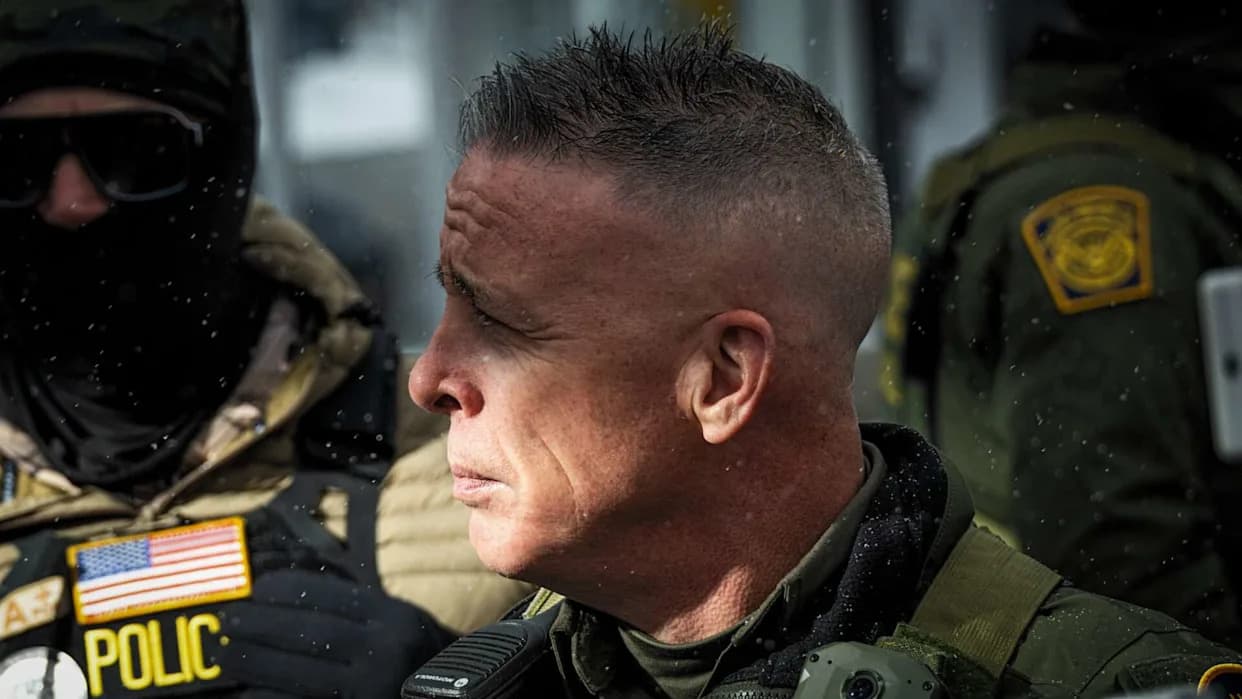
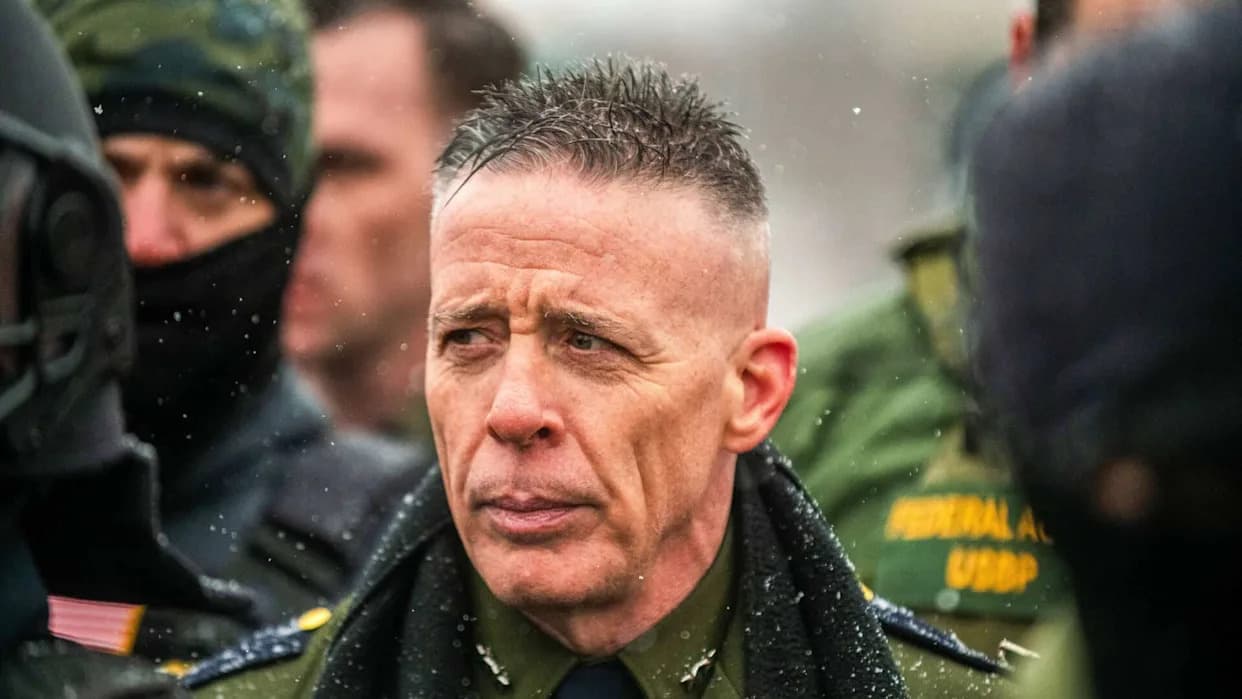
Central to the judge’s concerns were text messages from the Border Patrol agent, Charles Exum, that appeared to boast about his marksmanship after firing five shots at Martinez. Those messages — shown at recent hearings — and other communications raised doubts about the agent’s credibility and would likely have reflected poorly in front of a jury.
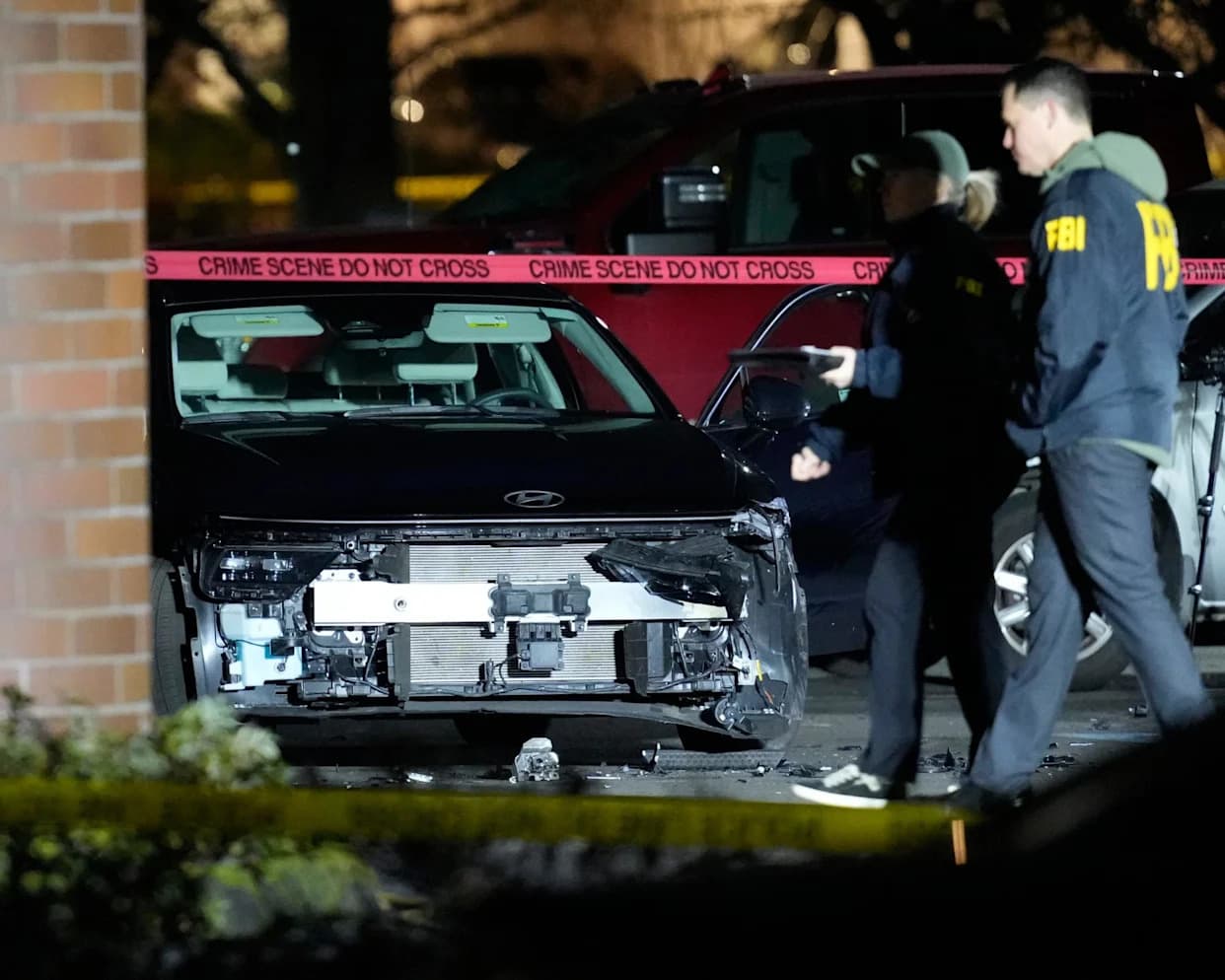
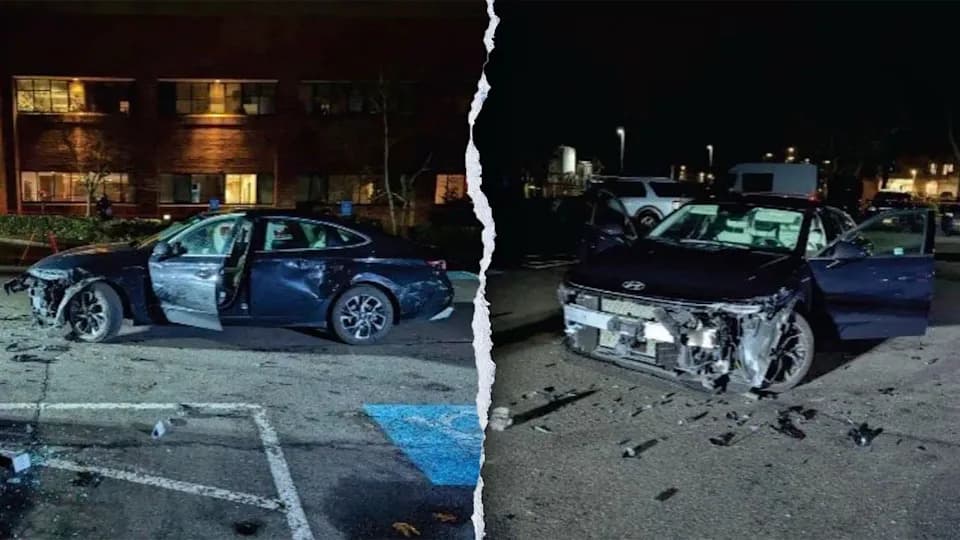
Another critical problem for the government was the handling of the agent’s damaged SUV. The vehicle was allowed to be driven more than 1,000 miles from Chicago to the agent’s home state of Maine, where it may have been repaired. Martinez’s defense argued that releasing the vehicle undermined the ability to perform a full forensic reconstruction of the collision and potentially compromised exculpatory evidence.
Judge Alexakis pointed out inconsistent government accounts about the SUV — at times described as the agent’s personal vehicle, at others as part of an official fleet — and noted conflicting explanations for who authorized its removal. She ordered the vehicle returned to Chicago for further examination.
Legal and public reaction
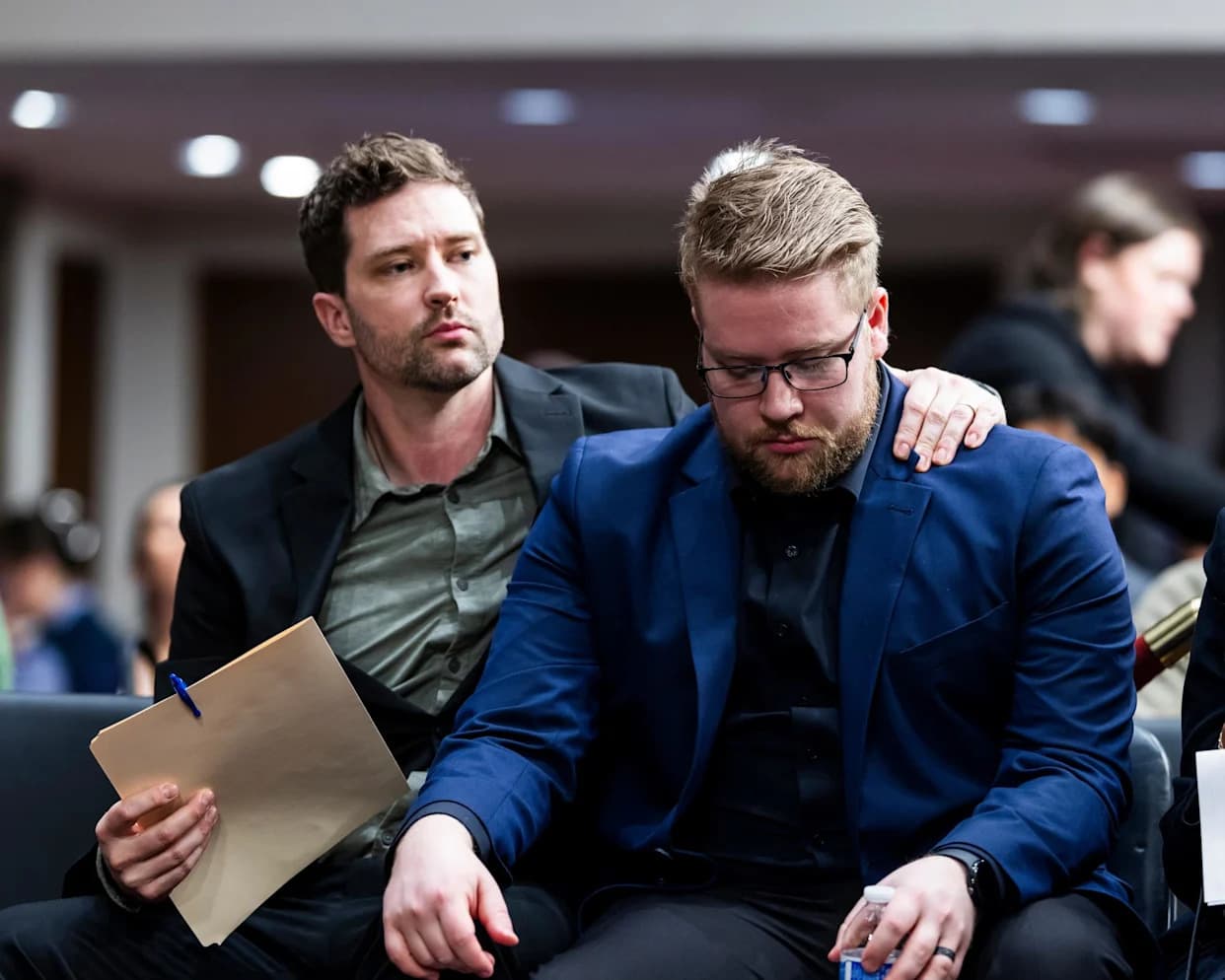
Defense attorney Christopher Parente, a former federal prosecutor, said the case appeared rushed by authorities seeking a high-profile example of dangerous protest activity and that under previous practices the case likely would not have advanced this far. Legal analysts observed that prosecutors would have faced a heavy burden to justify each shot and show that the agent reasonably believed his life was in immediate danger.
“There were serious questions about the officers’ narratives,” said legal analyst Joey Jackson. Northwestern law professor Paul Gowder added that inflammatory public statements by federal agencies and the evidentiary clouds around the agent’s account made dismissal appropriate at this stage.
The Department of Homeland Security maintained that Martinez was among the drivers who struck agents and referred further questions to the Justice Department. U.S. Attorney’s Office representatives said they continually evaluate new facts and information in cases tied to the operation.
The defendant’s perspective and aftermath
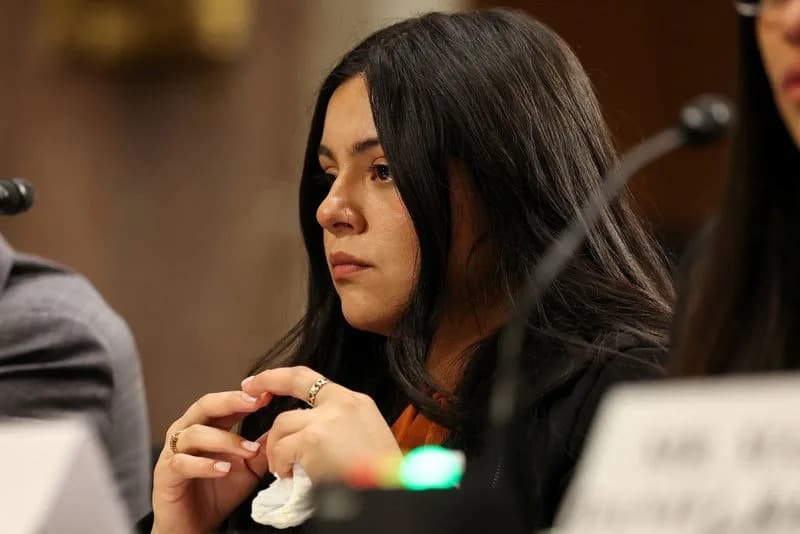
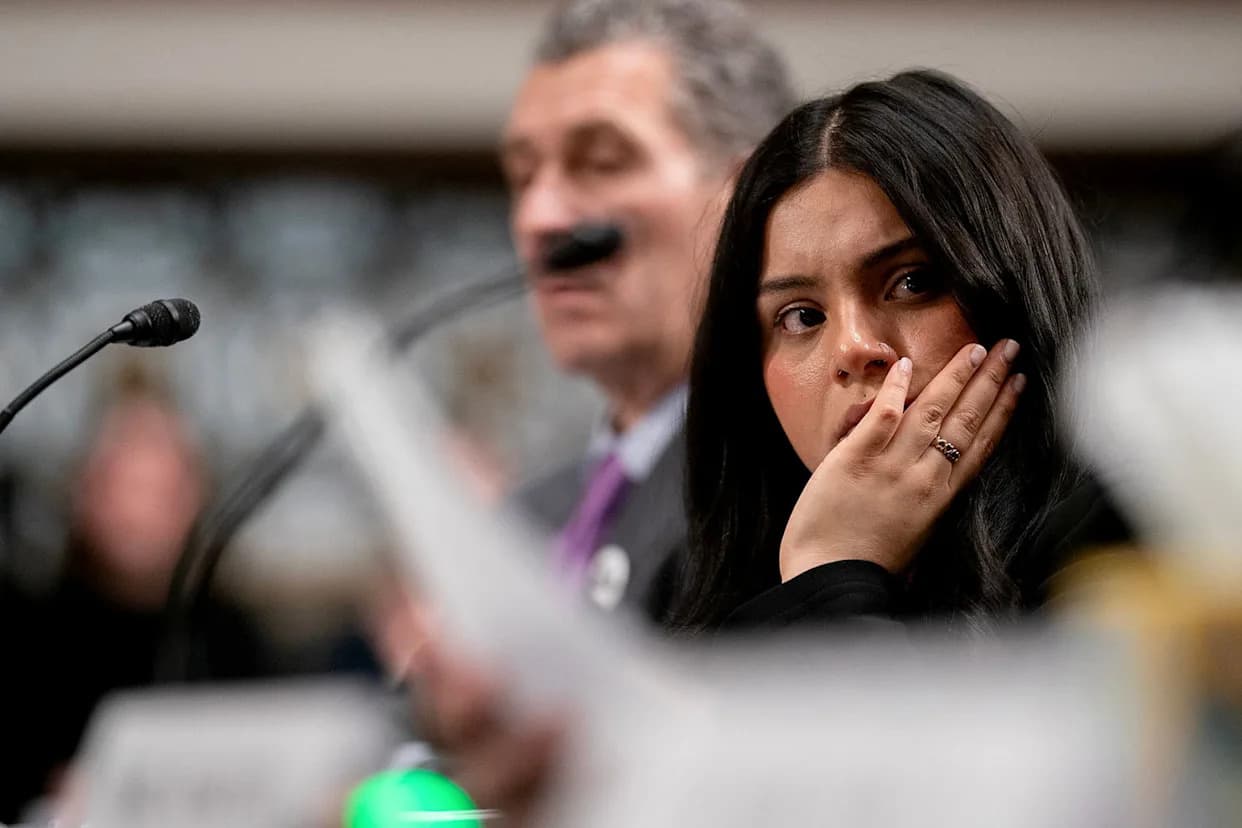
Martinez, who sustained multiple gunshot wounds and bears physical scars, has consistently denied wrongdoing. She described lasting emotional trauma but said she hopes to return to her job as a teaching assistant and rebuild her life. Her attorney said he was confident the evidence would have ultimately vindicated her at trial.
With the charges dismissed, Martinez will not face trial on the federal count alleging she assaulted, resisted, or impeded federal officers. The judge said that while the government’s account might ultimately be borne out, she could not accept that possibility "at this juncture" given the inconsistencies and omissions revealed in court.
Help us improve.