Summary: Court filings and an FBI affidavit have undermined the Department of Homeland Security’s initial account after Border Patrol agents shot two Venezuelan nationals in Portland. DHS described the occupants as Tren de Aragua gang members who "weaponized" their vehicle; prosecutors later told a judge they were not alleging the driver was a gang member, and records portray the passenger as a reported victim in an earlier assault. No body-camera footage exists, available surveillance is grainy, and legal experts say proving intent will be challenging without clearer evidence.
Court Records Undermine DHS Narrative After Border Patrol Shoots Two Venezuelans in Portland
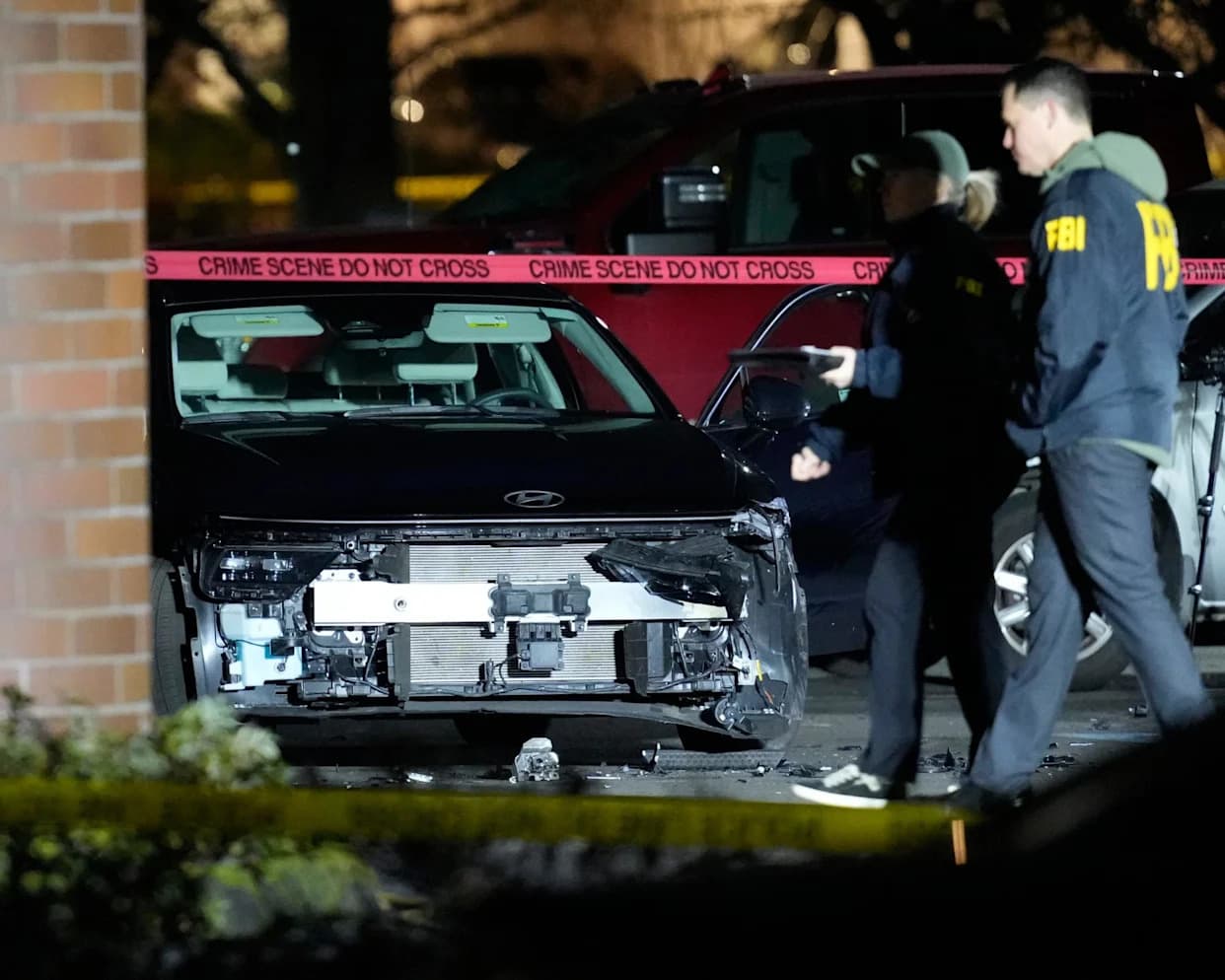
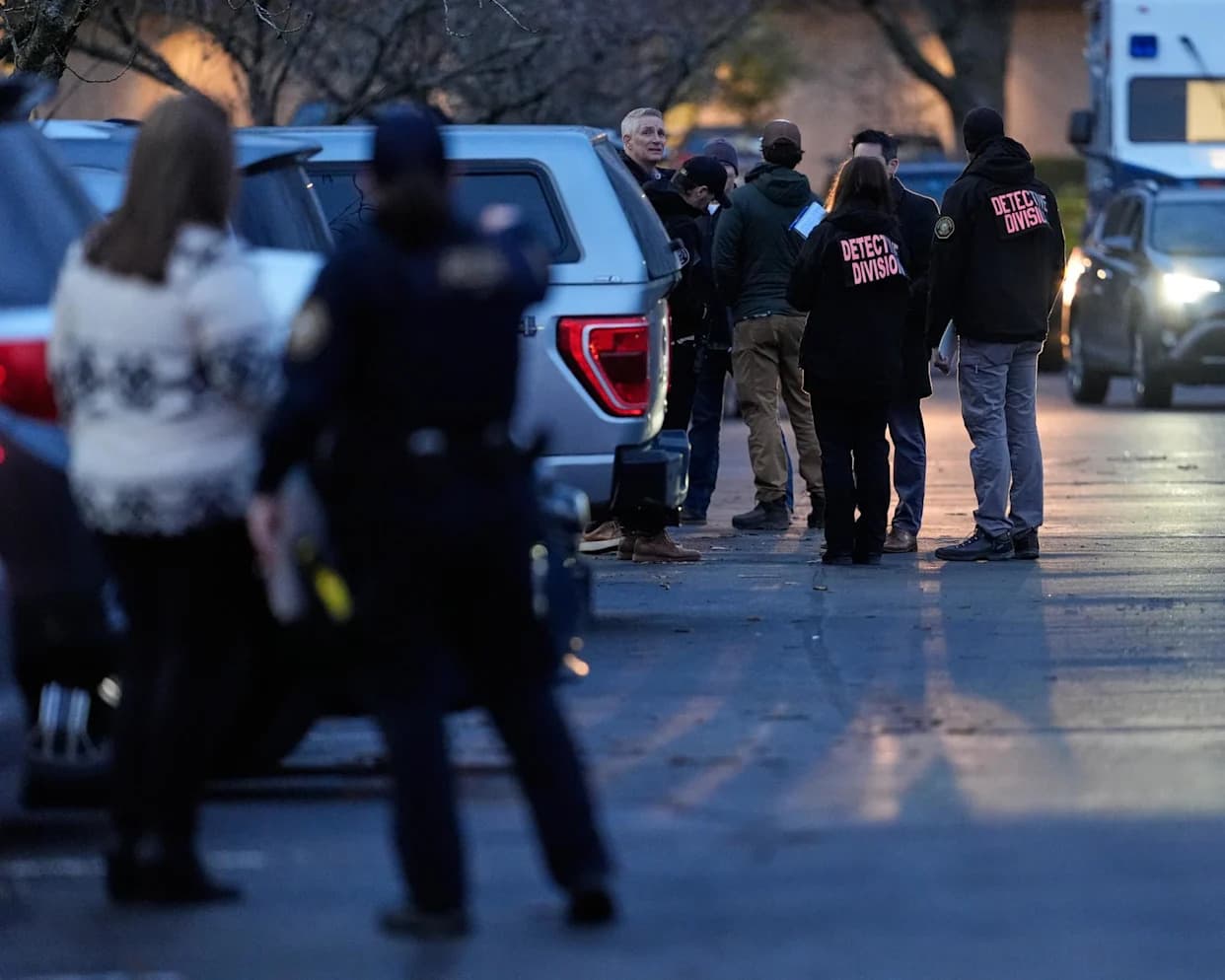
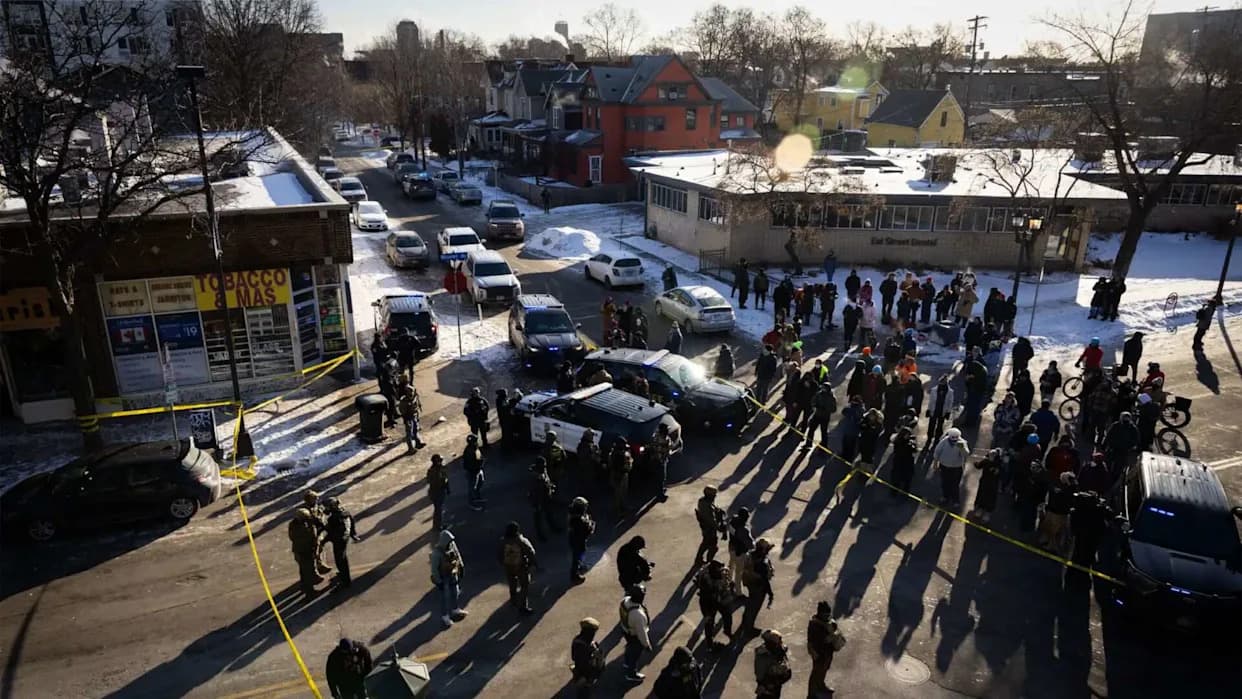
Law enforcement officials work the scene following reports that federal immigration officers shot and wounded people in Portland, OregonPhotograph: Jenny Kane/AP(Photograph: Jenny Kane/AP)
Portland, Ore. — Days after U.S. Border Patrol agents shot two Venezuelan nationals in a hospital parking lot in Portland, federal court filings and an FBI affidavit have raised serious questions about the Department of Homeland Security’s initial public account.
What DHS Said
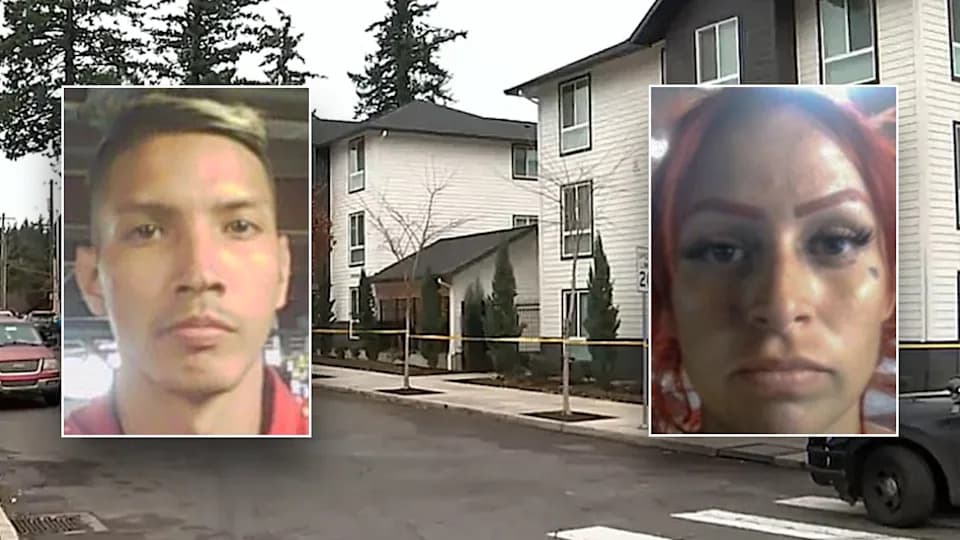
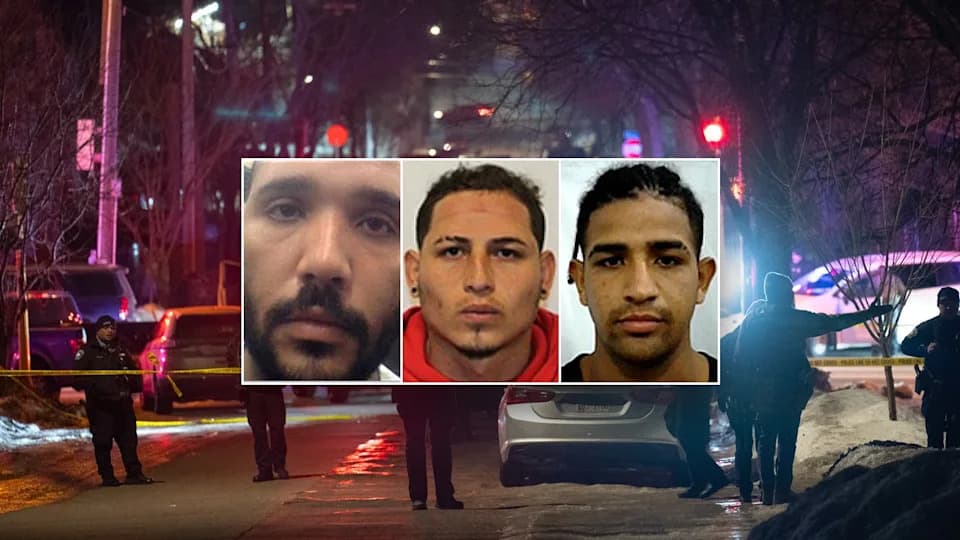
On Jan. 9, DHS issued a press release and social-media posts describing the stop as a "targeted" enforcement action and identifying the occupants as members of the Venezuelan gang Tren de Aragua. The agency said the driver "weaponized their vehicle against" officers, prompting an agent to shoot. The release said the passenger, Yorlenys Zambrano-Contreras, was struck in the chest and the driver, Luis Niño-Moncada, was struck in the arm; both were hospitalized and later taken into federal custody. DHS said agents were unharmed.
What Court Records Show
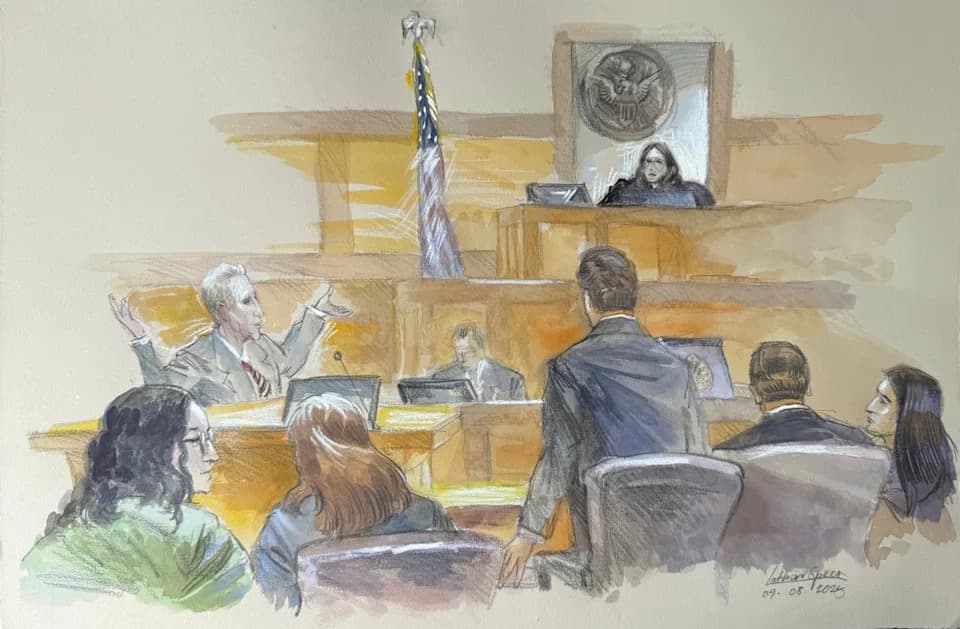
Subsequent court filings obtained by the Guardian and an FBI affidavit paint a different picture. A Department of Justice prosecutor told a federal judge, "We're not suggesting ... [Niño-Moncada] is a gang member." The FBI affidavit indicates Zambrano-Contreras was described in an earlier incident as a reported victim of sexual assault and robbery, not as an identified suspect. Lawyers for both people say neither has prior criminal convictions in the U.S.
"The federal government cannot be trusted. Our default position should be skepticism and understanding they lie very regularly," said Portland city councilor Sameer Kanal, reflecting concerns from local advocates and legal experts.
Evidence And Investigations
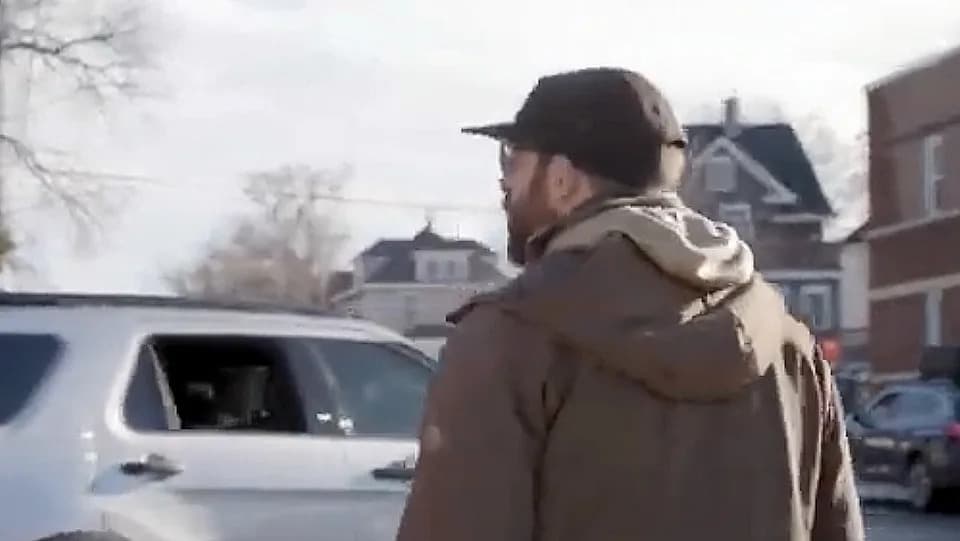
None of the six Border Patrol agents present recorded body-camera footage. The FBI initially said surveillance cameras had not captured the shooting; investigators later disclosed they obtained partial surveillance footage. That grainy, distant clip — obtained and published by KGW — does not clearly show the moment shots were fired.
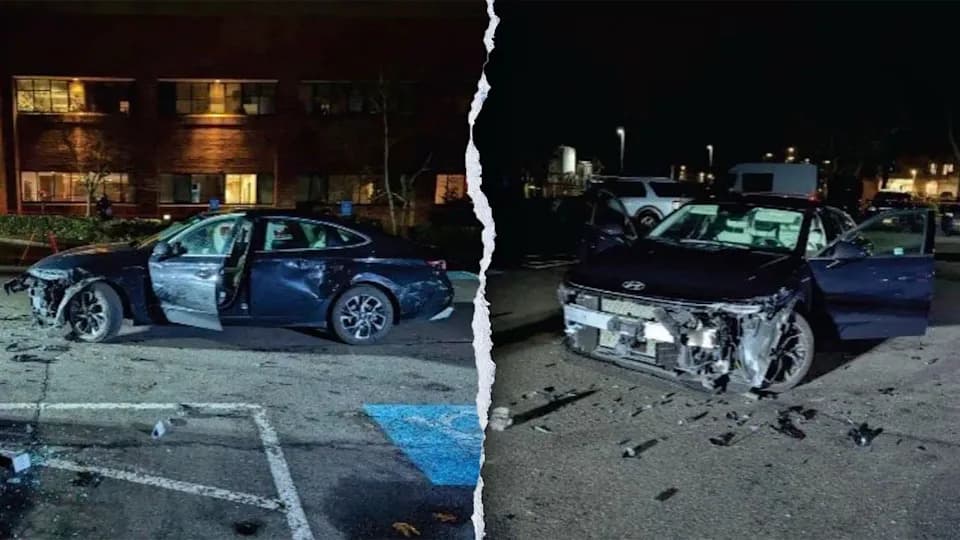
With video limited, charging documents relied heavily on agent testimony. Prosecutors allege Niño-Moncada intentionally struck a Border Patrol vehicle and attempted to ram agents while trying to flee. His public defenders say the charging complaint does not identify any specific agent who believed they were about to be struck, and argue Niño-Moncada may have reacted out of fear given a climate of violence toward immigrants.
Prior Incidents And Gang Claims
DHS repeatedly cited ties to Tren de Aragua. But court filings trace the agency’s assertions to two July incidents in which Zambrano-Contreras reported being forced to provide sex, robbed, and later returned with others to recover belongings; police responded to shots fired. The FBI affidavit describes a later, linked shooting in which a Venezuelan was wounded; neither Niño-Moncada nor Zambrano-Contreras were charged in connection with those events. Experts who study Latin American gangs say the administration’s depiction of Tren de Aragua as a structured, national security threat is overstated.
Legal Consequences And Outlook
Niño-Moncada, 33, who is undocumented, remains detained on a federal aggravated-assault charge alleging he intended to hit officers with his vehicle. Zambrano-Contreras, 32, pleaded guilty to a misdemeanor improper-entry charge and was not criminally charged in relation to the shooting. Prosecutors have acknowledged they are not asserting Niño-Moncada is a gang member.
Legal experts say proving specific intent to assault officers with a vehicle will be difficult without clear body-camera or surveillance footage, and note that unproven gang allegations could be excluded from trial as unduly prejudicial. "Credibility is everything in this kind of trial," said former prosecutor Carley Palmer. "The credibility of the individual officers who testify will be on trial and so will the credibility of the agency."
Broader Context
The case arrives amid wider scrutiny of federal public statements about law-enforcement shootings and immigration enforcement practices. Advocates and civil-rights lawyers called the early public messaging a "smear campaign," arguing it mischaracterized victims and blurred the line between association and culpability.
What remains unresolved: which agent fired the shots, a full, clear video record of the encounter, and whether prosecutors can meet the burden of proving intent beyond a reasonable doubt if the case goes to trial.
Help us improve.