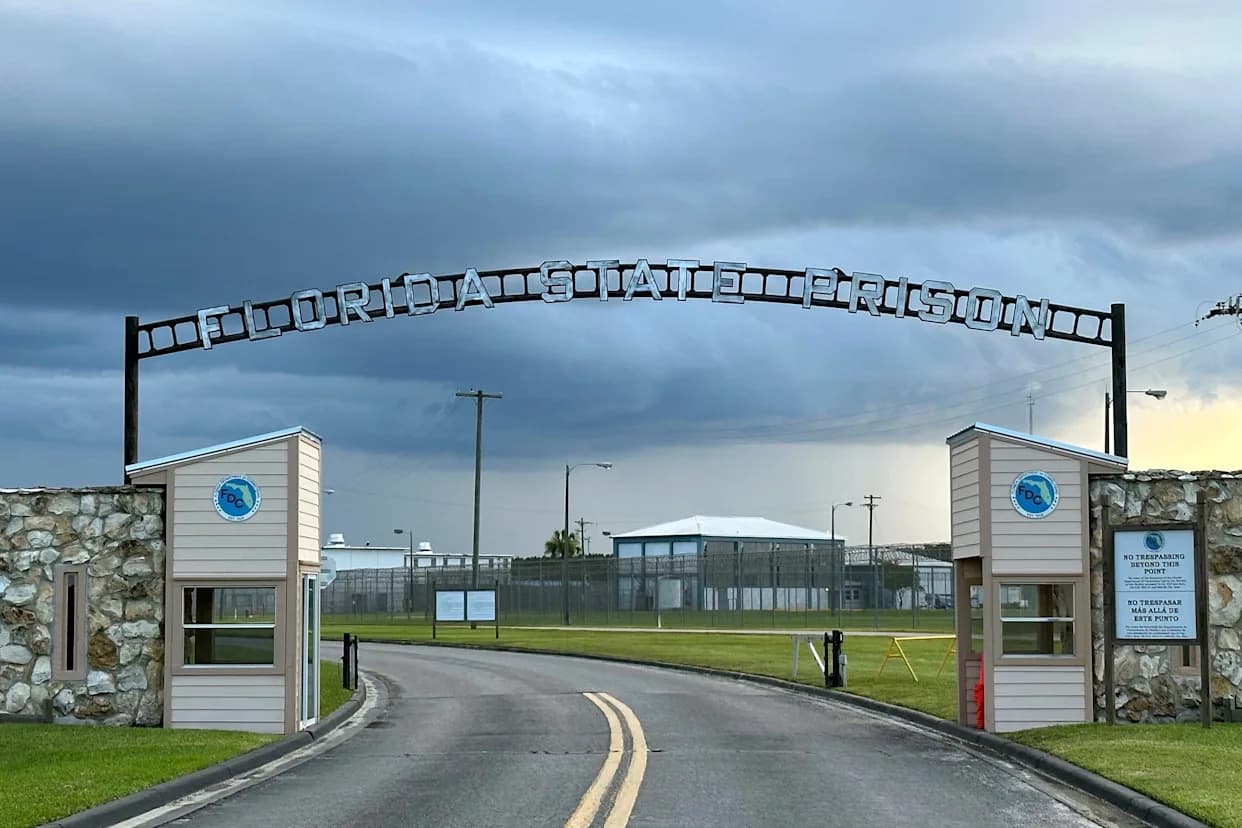
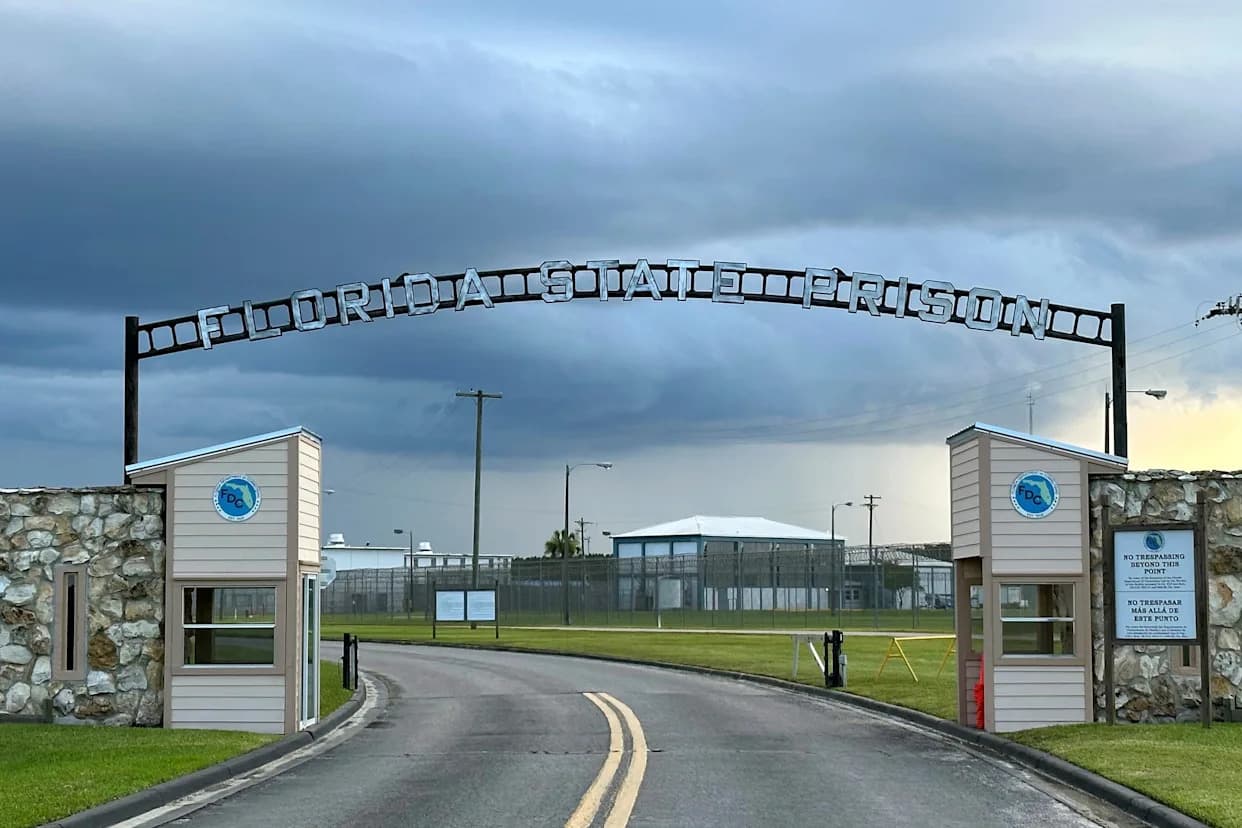
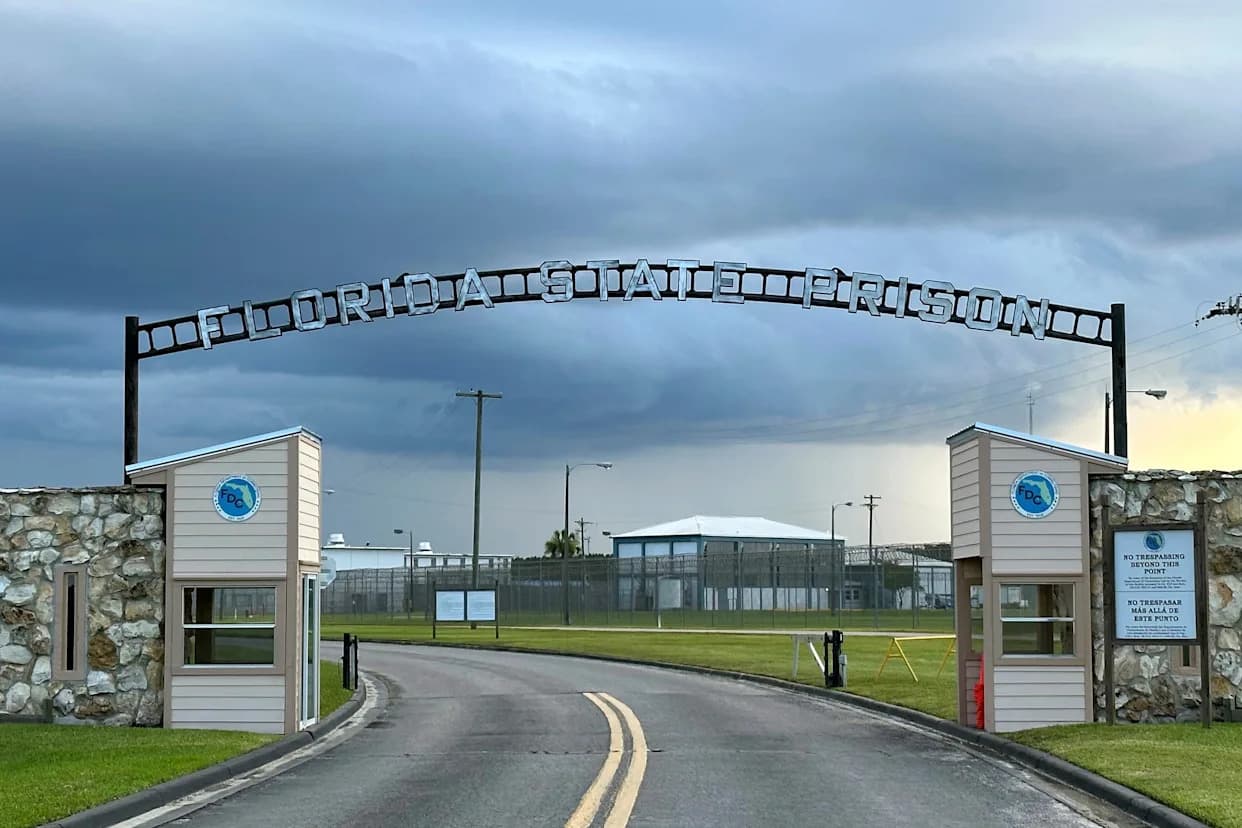
Florida has carried out 17 executions in 2025, the state's highest annual total in modern history, helping drive the U.S. count to its highest level since 2010. Federal policy changes — including the end of a federal moratorium on executions — and state measures, such as lowering the jury threshold needed for a death sentence, have accelerated the pace. Public support for the death penalty has declined sharply since the 1990s, while research questions its deterrent effect and highlights numerous wrongful convictions, including 30 exonerations in Florida.
Florida Emerges as America's Execution Capital as 2025 Botches Long-Term Decline

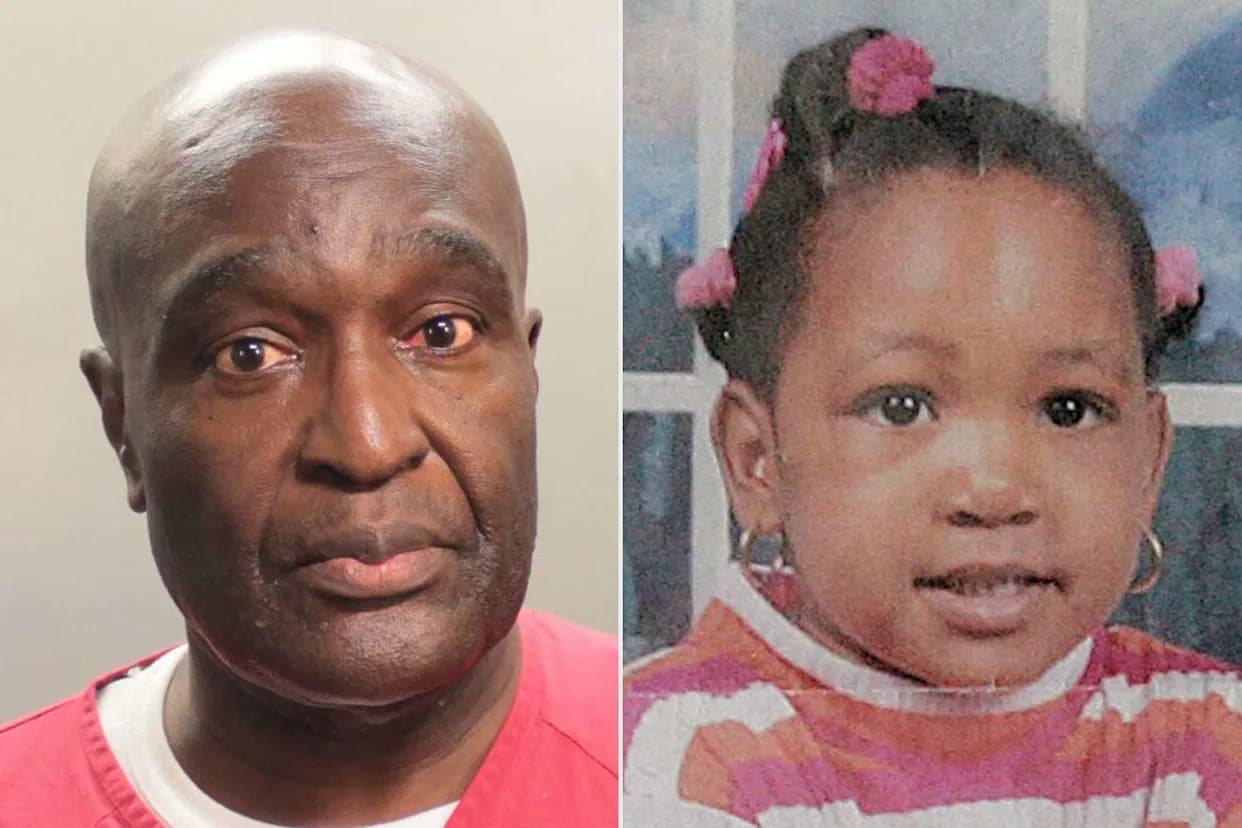
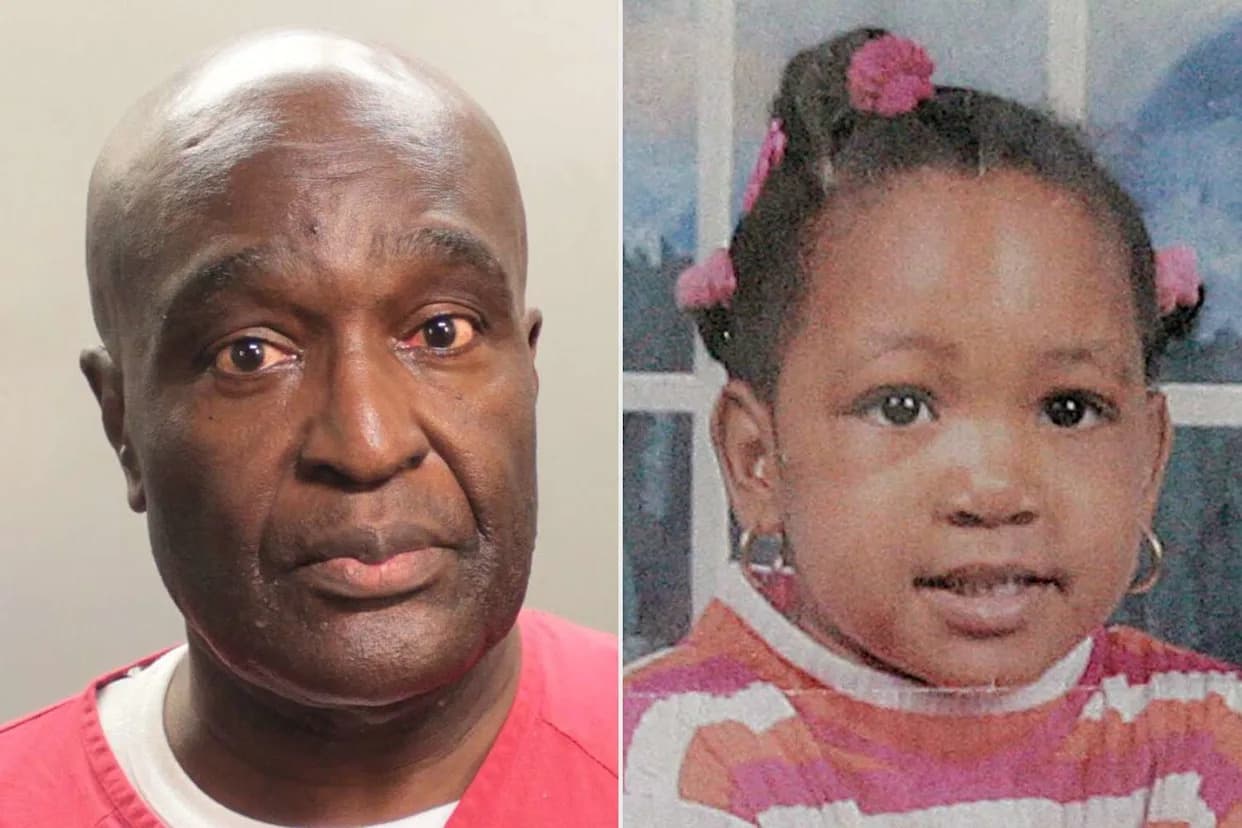
Richard Randolph, convicted in 1988 of sexually assaulting and killing his convenience-store manager, was executed in Florida on a Thursday night in 2025. His execution was the 17th carried out in the state so far this year — the highest annual total in Florida's modern history and more than double the number in any other year over the past 50 years.
A National Shift Driven by State and Federal Policy
Florida's surge in executions has pushed the U.S. total to its highest level since 2010 and has helped reverse a long-term decline in the use of capital punishment nationwide. Randolph's execution was the 44th nationwide in 2025; three more executions are scheduled before year end, including two additional cases in Florida (Death Penalty Information Center).
The sharp increase cannot be explained by a change in Florida's governor — Republican Ron DeSantis, a long-time supporter of the death penalty, has held the office for six years. Instead, recent federal actions have played a major role. On his first day back in the White House, President Trump signed an executive order ending a federal moratorium on executions that had been put in place by the previous administration and directed the attorney general to ensure states have a "sufficient supply of drugs" for lethal injections.
"Capital punishment is an essential tool for deterring and punishing those who would commit the most heinous crimes and acts of lethal violence against American citizens," the order stated, arguing that capital punishment delivers justice.
DeSantis has publicly defended Florida's increased pace of executions: "There are victims' families that are wanting to see justice … I'm doing my part to deliver that," he said at a recent appearance in Jacksonville. Two years earlier, he signed a law allowing capital sentences to be imposed with the agreement of eight (of 12) jurors rather than requiring unanimity — a change that departs from the practice used by most other states. He has also advocated for applying the death penalty in limited new categories, including certain child sexual-abuse cases, despite Supreme Court precedent limiting capital punishment to crimes that result in death.
Context, Data and Concerns
The death penalty is legally available in 27 states, but executions remain rare in many of them. Since the Supreme Court reinstated capital punishment nearly 50 years ago, Florida has carried out 123 executions while Texas has completed 596 in the same period (Death Penalty Information Center). In 2025 so far, Florida has executed more than three times as many people as Texas.
Public attitudes have shifted substantially: Gallup polling shows support for the death penalty fell from about 80% in 1994 to roughly 52% today, driven mainly by changes among Democrats and independents; Republican support has stayed relatively high. At the same time, a broad and growing body of research finds that capital punishment does not reliably deter homicide, and hundreds of people sentenced to death have later been exonerated — including 30 cases in Florida.
Implications
The confluence of federal policy, state law changes, and political advocacy has transformed Florida into the focal point of U.S. executions in 2025. The surge raises renewed legal and ethical questions about jury standards, the scope of capital punishment, wrongful convictions, and whether the death penalty achieves the goals its proponents claim. As executions continue, debates over policy, public opinion, and the justice system's capacity for error are likely to intensify.
Help us improve.