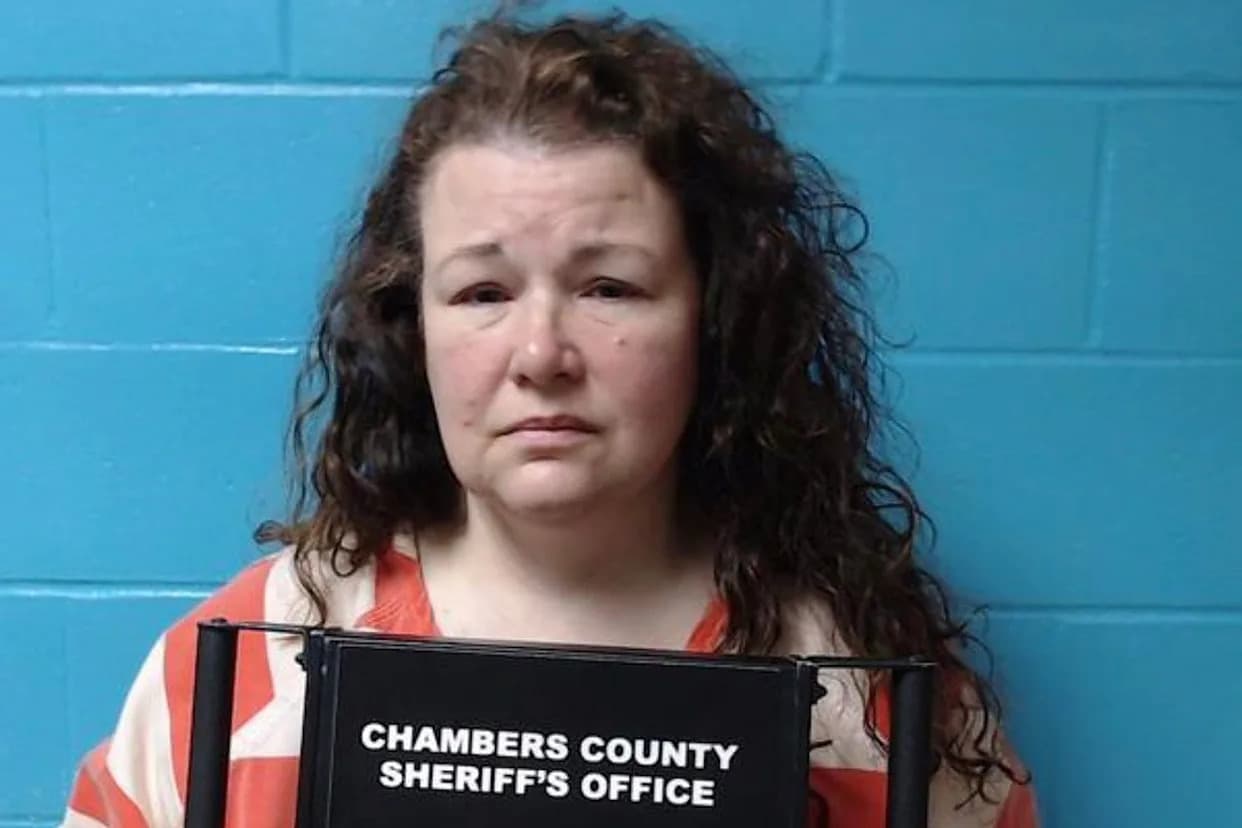
Charles Victor Thompson, convicted of the April 1998 killings of Glenda Dennise Hayslip and Darren Keith Cain, was scheduled for lethal injection in Huntsville and would be the first U.S. execution of the year if carried out. Thompson's lawyers asked the U.S. Supreme Court to stay the execution, arguing Hayslip died from medical complications after a failed intubation rather than a gunshot. The Texas Board of Pardons and Paroles denied a request to commute his sentence. Thompson previously escaped custody after resentencing and was captured three days later.
Texas Inmate Charles Victor Thompson Slated To Be First U.S. Execution This Year In 1998 Double Murder Case
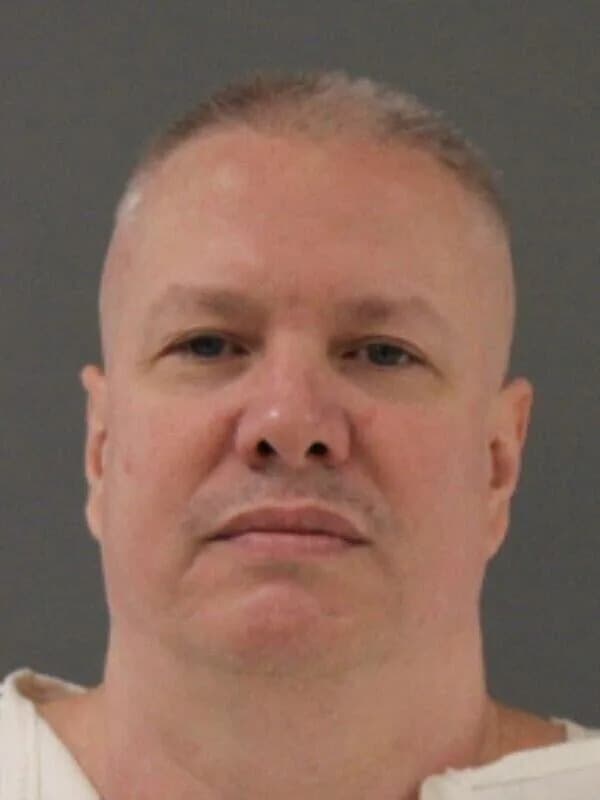
Texas death row inmate Charles Victor Thompson / Credit: Texas Department of Criminal Justice via AP
Houston — Charles Victor Thompson, convicted in the April 1998 shootings that killed Glenda Dennise Hayslip, 39, and Darren Keith Cain, 30, was scheduled to be executed by lethal injection Wednesday evening at the Texas State Penitentiary in Huntsville. If carried out, the execution would be the first in the United States this year.
Prosecutors say Thompson and Hayslip had been romantically involved for about a year before the relationship ended, and they contend Thompson grew increasingly possessive and abusive. Court records show Thompson went to Hayslip's apartment in Tomball, a Houston suburb, around 3 a.m. and argued with Cain. Police were called and told Thompson to leave. Prosecutors say Thompson returned roughly three hours later and shot both Hayslip and Cain; Cain died at the scene, and Hayslip died in a hospital a week later.
Defense Argument And Appeals
Thompson's attorneys asked the U.S. Supreme Court to stay the execution, arguing he was denied the opportunity to refute or confront prosecution evidence that a gunshot to Hayslip's face caused her death. They contend Hayslip instead died from complications of medical care after the shooting — specifically, severe brain damage from oxygen deprivation following a failed intubation.
The Texas Board of Pardons and Paroles denied Thompson's request to commute his death sentence to a lesser penalty. In filings, defense lawyers argued that if reasonable doubt were raised about the cause of death, Thompson would not be guilty of capital murder. Prosecutors replied that a jury previously rejected that claim and found, under state law, that Hayslip's death "would not have occurred but for his conduct."
Trial History And Escape
Thompson's original death sentence was overturned, and a new punishment trial was held in November 2005; a jury again recommended death by lethal injection. Shortly after being resentenced, Thompson escaped from the Harris County Jail in Houston by leaving an unlocked interview room, removing restraints and his jumpsuit, and walking out past deputies. He was captured three days later in Shreveport, Louisiana, after trying to arrange overseas wire transfers to reach Canada. In a 2005 interview with The Associated Press, Thompson described his brief time on the run as an experience of being outdoors and free.
Context And Victim Families
Hayslip's family later sued a physician, alleging medical negligence during her treatment; a jury in 2002 ruled in favor of the doctor. Prosecutors emphasized that the Hayslip and Cain families had waited more than 25 years for justice. Texas has historically carried out more executions than any other state; the article noted that Florida recorded the most executions in 2025, with 19.
Current status: Thompson was scheduled to be executed Wednesday evening in Huntsville while legal appeals, including a petition to the U.S. Supreme Court, remained pending.
Help us improve.