Jonathan Pollard, the former U.S. analyst who served 30 years in prison for passing classified material to Israel, says a July meeting with U.S. Ambassador Mike Huckabee at the Jerusalem embassy was a personal visit to thank the ambassador for his support. The embassy disputed aspects of the reporting and declined further comment; the White House said it was not informed of the meeting but stands by the ambassador. Huckabee’s prior statements on the West Bank and Palestinian statehood have already drawn controversy, and this meeting has prompted criticism across the political spectrum.
Jonathan Pollard Says He Met U.S. Ambassador Mike Huckabee in Jerusalem to Thank Him — Meeting Draws Bipartisan Criticism

Jonathan J. Pollard, the former U.S. intelligence analyst who was convicted of spying for Israel and served 30 years in prison, says a private July visit with U.S. Ambassador to Israel Mike Huckabee at the Jerusalem embassy was a personal call intended to express gratitude.
Pollard described the visit as straightforward and not secretive: “The main point was to thank him for his efforts on my behalf during my incarceration,” he said, adding that he arranged the meeting by phoning the ambassador’s office. He characterized the encounter as largely social and insisted that they did not discuss politics or the fighting in Gaza.
Embassy Response and White House Position
A spokesperson for the U.S. Embassy in Jerusalem disputed aspects of the published reporting about the meeting, calling some of the coverage inaccurate and noting that the ambassador meets many people daily and, as a general policy, the embassy does not disclose the content of conversations. The embassy declined to provide further details or a comment from the ambassador.
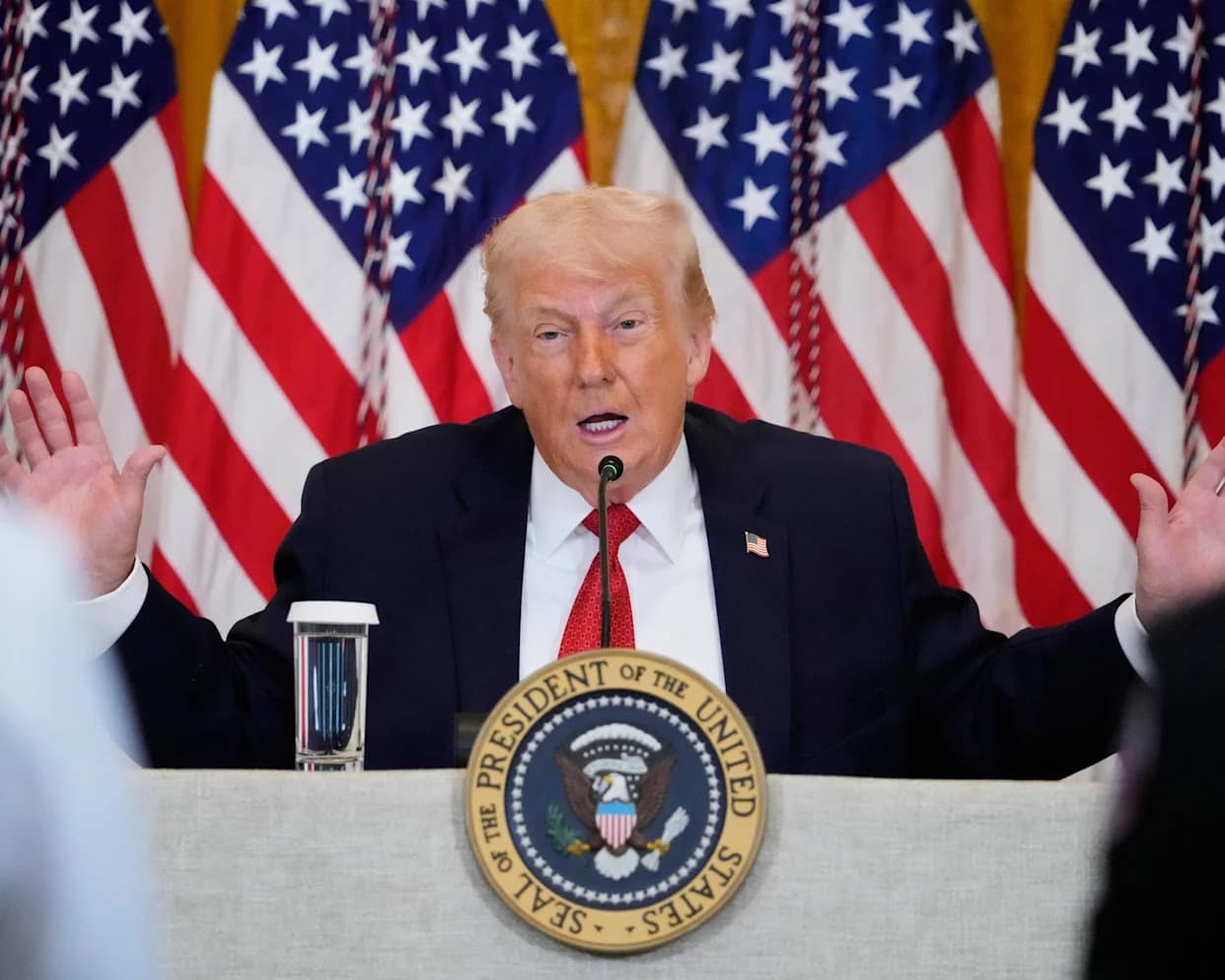
White House press secretary Karoline Leavitt said the White House was not aware of the meeting but that the president "stands by our ambassador."
Why the Meeting Matters
Pollard's long imprisonment — and his eventual move to Israel in 2020 after receiving Israeli citizenship while incarcerated — has been a sensitive issue in U.S.-Israel relations for decades. Huckabee, a vocal supporter of Israel during Pollard's detention, publicly advocated for his release, arguing the sentence was too harsh for someone who shared intelligence with an ally.
Because Pollard remains a controversial figure in U.S. political life, Huckabee’s decision to meet him has prompted scrutiny from across the political spectrum. Representative Joaquin Castro (D-Texas), a member of the House Intelligence Committee, said Huckabee should not have met with “a convicted traitor.” Commentators on the right also criticized the ambassador’s conduct.
Context: Huckabee’s Past Statements
Critics point to previous statements by Huckabee that appeared to diverge from official U.S. policy. Earlier this year he told Israeli media the United States would not prevent Israel from annexing parts of the West Bank — comments later contradicted by senior administration officials. He has also said the U.S. is no longer actively pursuing Palestinian statehood as a policy goal, language that has clashed with diplomatic efforts that still affirm support for a credible pathway to Palestinian self-determination.
Huckabee frequently uses the phrase “Judea and Samaria” to describe the West Bank. In 2008 he asserted that “there is no such thing as a Palestinian,” calling Palestinian nationhood a political tool — remarks that continue to draw attention.
“I don’t get to make the policy. I simply carry it out as an ambassador,” Huckabee said in a recent interview, adding, “My job here is not to be the chemist making the medicine. My job is simply to be the pharmacist and dispense it.”
Reaction and Next Steps
Pollard said the meeting was a simple personal thank-you that became more controversial than he expected. The embassy’s refusal to elaborate and the White House’s claim it was not informed leave some questions unanswered about the circumstances and timing of the visit.
At a time when U.S. diplomacy in the Middle East is closely watched and tensions remain high, encounters between senior U.S. officials and highly controversial figures tend to attract scrutiny from lawmakers, commentators, and international partners alike. The episode underscores the sensitivity of personal meetings between U.S. diplomats and foreign residents with complicated judicial or political histories.
Help us improve.