Former justice minister Cecilia Pérez warns that Paraguay's 330-mile stretch of the Bioceanic Corridor could be exploited by organized crime unless the state strengthens its presence in the Chaco. The corridor links Brazil's port of Santos with Chilean ports and promises economic benefits, but isolated sections lack customs, police and military oversight. Pérez calls for permanent checkpoints, improved surveillance, stronger interagency coordination and tighter anti–money-laundering controls to prevent the route becoming a 'criminal superhighway.'
Paraguay Warns Bioceanic Corridor Could Become a 'Criminal Superhighway' Without Stronger State Presence

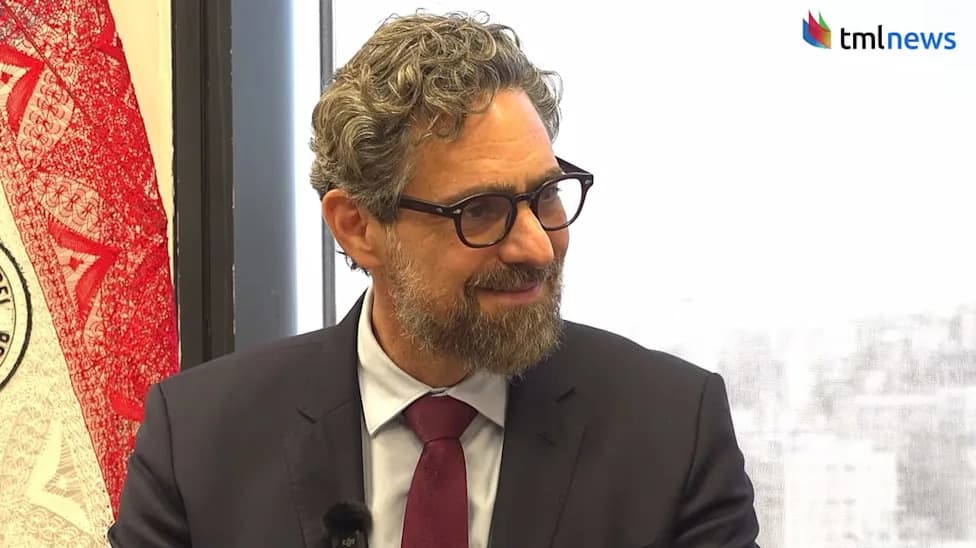
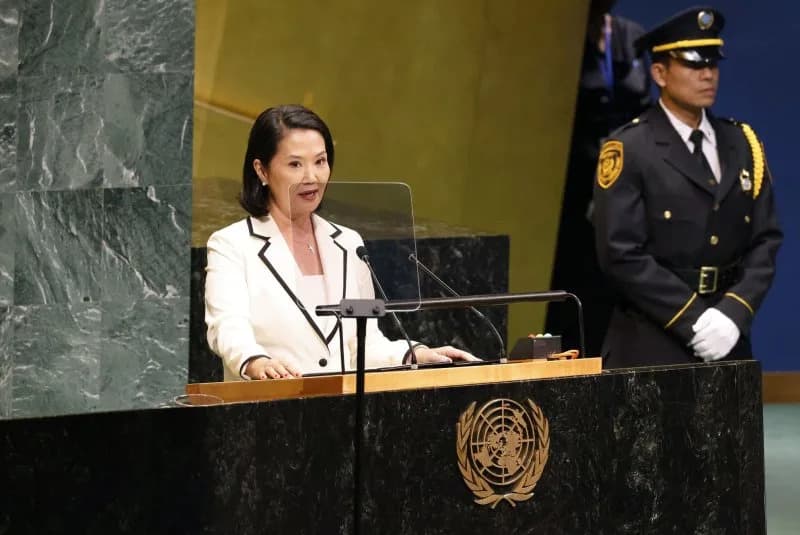
Former Paraguayan justice minister Cecilia Pérez has warned that the 330-mile stretch of the Bioceanic Corridor running across Paraguay's Chaco could become a strategic route for organized crime unless the state quickly strengthens its presence along the route.
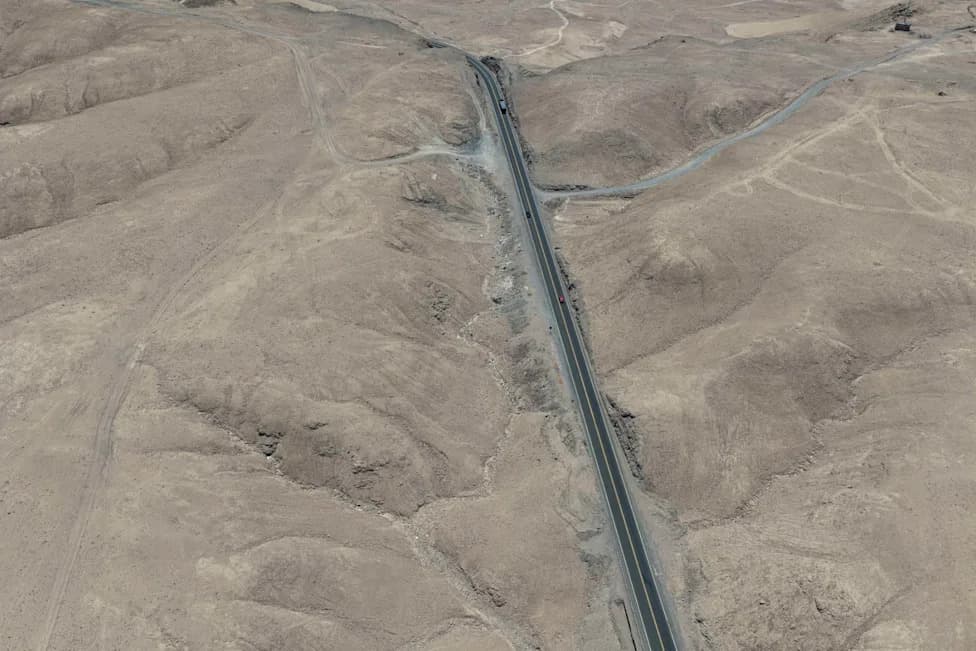
Backed by Paraguay, Brazil, Argentina and Chile, the Bioceanic Corridor is designed to link Brazil's Atlantic port of Santos with Chile's Pacific ports of Antofagasta and Iquique, cutting transit times and lowering export costs for beef, soy and minerals. In Paraguay the highway runs roughly 330 miles from Carmelo Peralta on the Brazilian border across the sparsely populated Chaco to Pozo Hondo on the Argentine frontier.
Security gaps in a remote region
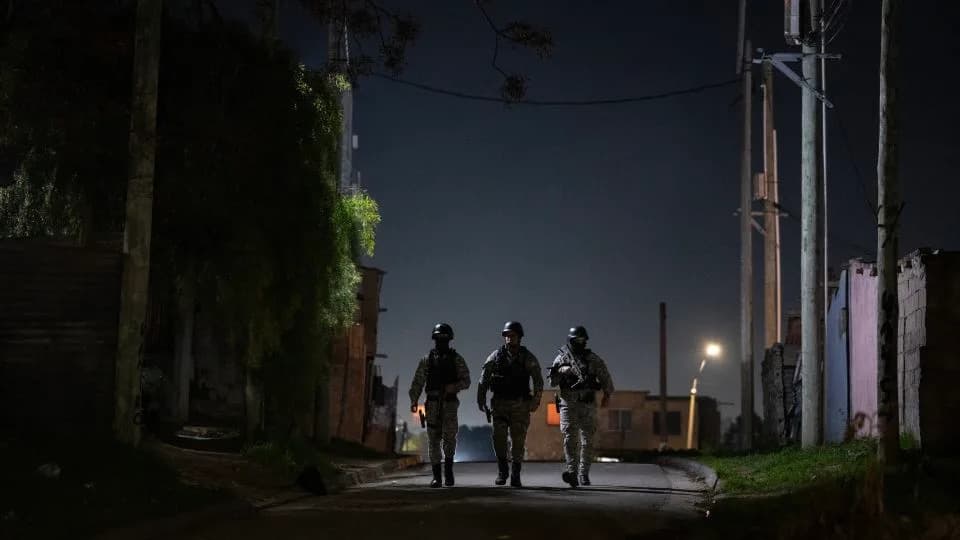
Pérez told a radio program that customs officers, military units, police and regulatory agencies are largely absent from critical sections of the Paraguayan corridor, creating security gaps in an area already known for limited state control. She urged that the full weight of the state be deployed to prevent criminal exploitation of the new route.
Pérez: The communities along the corridor will be the first to suffer if we do not act. Without permanent checkpoints and robust oversight, this road risks becoming a hub for organized crime and money laundering.
Existing criminal dynamics raise stakes
Paraguay is already a major producer of marijuana and a transit hub for cocaine originating in Bolivia and Peru before shipments move on to Brazil, Argentina, Europe and the United States. An investigation by the Organized Crime and Corruption Reporting Project documented clandestine airstrips and trafficking routes through the Chaco that exploit the region's isolation and limited law-enforcement capacity.
Pérez also warned of the risk that Pacific-based criminal groups could move east to converge with Brazilian factions that already operate in Paraguay. She highlighted reports that Ecuador's group Los Lobos has links to Mexico's Jalisco New Generation Cartel, and she warned against letting such cells intersect with Brazil's Primeiro Comando da Capital (PCC) and Comando Vermelho (CV).
Both the PCC and CV have documented operations inside Paraguay and were designated terrorist organizations by the Paraguayan government in October 2025.
What Pérez is calling for
To prevent the corridor turning into what she called a 'criminal superhighway,' Pérez called for an immediate expansion of Paraguayan state capacity in the Chaco, including:
- Permanent checkpoints and law-enforcement patrols along key stretches;
- Improved surveillance technology and intelligence-sharing between agencies and neighboring countries;
- Stronger interagency coordination and capacity-building for customs and border control;
- Tighter financial-crime controls to disrupt money-laundering networks.
While the Bioceanic Corridor promises significant economic benefits by speeding exports and lowering costs for regional trade, Pérez and other experts emphasize that those gains could be undermined if authorities do not address the strategic security vulnerabilities now.
Sources: statements from Cecilia Pérez; reporting by the Organized Crime and Corruption Reporting Project
Help us improve.