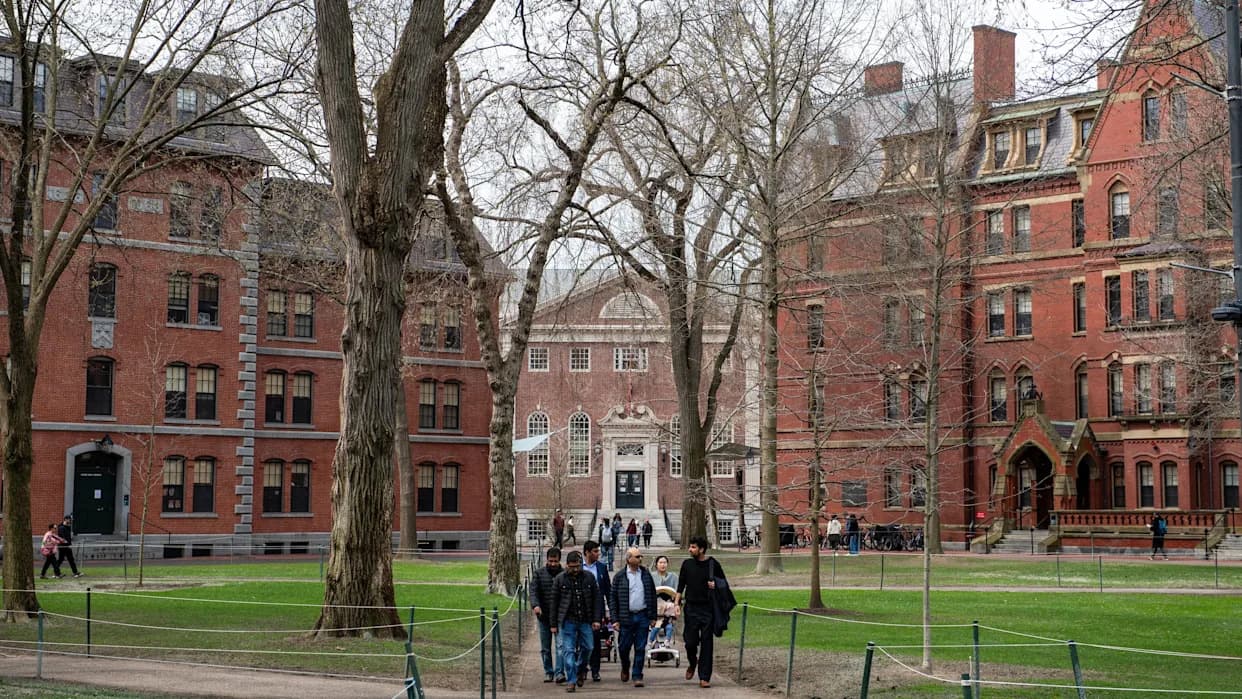
Democrats made notable gains in recent school board races, flipping control in districts such as Cypress, Texas, and winning dozens of seats in Pennsylvania. Campaigns focused on academics, safety and budget issues rather than culture-war topics, aided by organized recruiting and fundraising from groups like the Pipeline Fund and teacher associations. Analysts point to voter fatigue with pandemic-era disputes and shifting priorities, though local contests still show variation based on turnout and community concerns.
Voters Push Back: Democrats Sweep School Boards, Shift Focus From Culture Wars to Classrooms

In Cypress, Texas—a Houston suburb known for strong schools—Republicans who controlled the local board for two years removed 13 textbook chapters covering climate change, diversity and vaccines. This month, Democrats won three seats, regained a majority and moved to restore those materials.
Across states from Texas to Pennsylvania and Ohio, Democratic-backed candidates prevailed in contests in large districts and competitive regions. Campaigns emphasized classroom priorities—academic achievement, transportation safety and budgeting—rather than polarizing fights over restroom access for transgender students or library book bans. Voters signaled a preference for pragmatic local governance over headline-grabbing culture-war battles.
Democrats captured at least two dozen school board seats in Pennsylvania, according to tracking by the progressive recruitment group Pipeline Fund. That organization reported 43 of 49 of its Pennsylvania candidates won and 18 of 22 backed candidates won in Ohio. The National Education Association also invested in races nationwide, reporting particularly strong results in some states.
“Folks just want their school boards to be boring again,” said Lesley Guilmart, one of the newly elected members of the Cypress-Fairbanks board. “They want normalcy. Once the board was taken over by a super partisan extremist majority, folks across the political spectrum were dismayed.”
Democratic organizers say they learned from earlier setbacks and invested in professional campaigns with systematic fundraising and voter outreach. “It's no longer the PTA,” said Odus Evbagharu, campaign manager for the Cypress-Fairbanks Democratic slate. “You can't just do it off hope. Hope is not a strategy.”
The parents' activism that propelled GOP takeovers in recent years grew from pandemic-era fights over school closures and masking and was amplified by grassroots groups pushing concerns about curricula. Issues that energized those campaigns included disputes over critical race theory, transgender student accommodations and books parents considered sexually explicit.
But the prominence of those disputes appears to be waning. A recent statewide poll in Virginia found only 4 percent of voters listed transgender school policies as a top issue in their gubernatorial choice. Many parents now rate school safety and costs as higher priorities than culture-war flashpoints. An analysis of education conflicts shows those battles decreased in 2024 from their peak the year before, and some experts describe voter fatigue with continual local fights.
Not every race followed this pattern. In Loudoun County, Virginia, a conservative candidate flipped a seat and credited positions on transgender policies for her victory. Ryan Girdusky, founder of the 1776 Project PAC that backs conservative board hopefuls, argued turnout patterns also helped shape outcomes: “Democrats are very ginned up about showing up, and Republicans didn't know there was an election in a lot of places.”
In Cypress, opponents say the textbook bans distracted from pressing district needs, including a roughly $45 million budget shortfall. Democrats ran with a message of depoliticizing schools and returning boards to their educational mission, investing heavily in door-to-door outreach and benefiting from six-figure PAC support to mobilize new voters in diverse communities.
“Americans writ large don’t want this divisive political climate,” said Becky Pringle, president of the National Education Association. Pipeline Fund’s founder Denise Feriozzi added that local wins can reshape perceptions of national parties by showing voters practical, school-focused priorities in their own communities.
“National politics is very performative, but local politics is very personal,” said Daniel Kimicata, a newly elected member of the Central Bucks school board in Pennsylvania. “One of the messages that really resonated with voters was that there is no national political agenda that we're bringing to the school board.”
Some Republican strategists counter that recent losses reflect broader electoral dynamics rather than a wholesale rejection of parental-involvement issues. Others say national messaging and the timing of elections — especially off-cycle contests — shaped turnout and results.
While the intensity of culture-war battles has eased from its recent heights, conflict over curriculum, pronouns and school policies remains an active force in some communities. The recent results suggest a recalibration: many voters appear to favor boards that focus on academics, safety and fiscal responsibility, while still leaving room for local debate where those issues remain salient.
Juan Perez contributed to this report.
Help us improve.