Germany, France and the UK reassured President Zelenskyy of full support after a U.S. 28-point peace plan — reportedly containing territorial concession demands and limited guarantees — became public without prior consultation with many European partners. Kyiv is studying the proposals while insisting on sovereignty and the ability to defend itself. European leaders stressed any deal should start from the current line of contact and preserve Ukraine’s defensive capabilities. Meanwhile, renewed Russian strikes on Zaporizhzhia, Odesa and Ternopil inflicted civilian casualties.
European leaders reassure Zelenskyy as U.S. 28-point peace plan raises alarm

Leaders of Germany, France and the United Kingdom spoke by phone with Ukrainian President Volodymyr Zelenskyy to reaffirm their support after a U.S. 28-point peace plan — reported to include Russian demands for territorial concessions and limited security guarantees — surfaced without prior consultation with many European partners.
German Chancellor Friedrich Merz, French President Emmanuel Macron and British Prime Minister Keir Starmer told Zelenskyy they remained committed to “unchanged and full support on the way to a lasting and just peace,” according to a joint statement issued by Merz’s office. They welcomed U.S. efforts to end the war while underlining that any agreement must preserve Ukraine’s ability to defend its sovereignty.
Key elements and immediate reactions
The reportedly 28-point package is said to contain several long-standing demands from Russian President Vladimir Putin, including territorial concessions by Ukraine and provisions that would block Kyiv’s path to NATO membership. European officials expressed concern that many aspects of the plan could be detrimental to long-term European security if negotiated without full consultation with Kyiv and its allies.
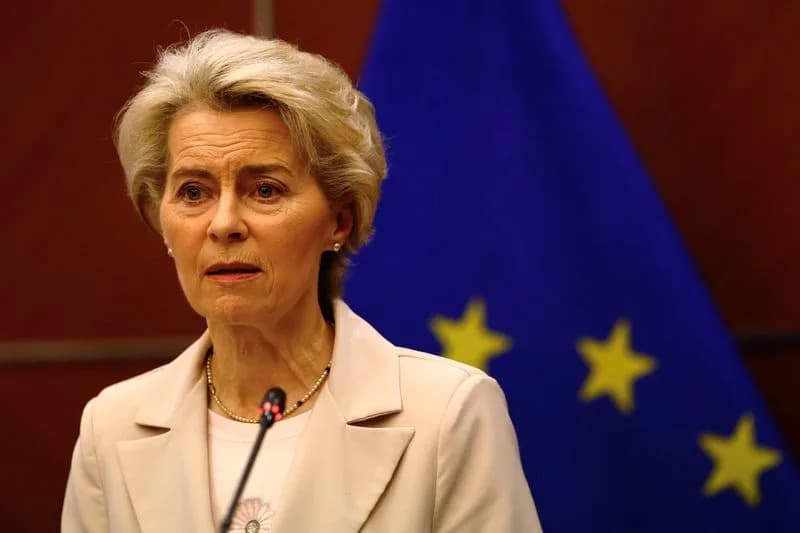
European Commission President Ursula von der Leyen reiterated a long-held diplomatic principle at the G20 summit in Johannesburg: “Nothing about Ukraine without Ukraine.” European Council President Antonio Costa said the European Union had not been officially briefed on the U.S. proposals.
Kyiv and Washington: differing accounts
Ukrainian leaders said they are carefully studying the proposals while maintaining their core demands of sovereignty, citizens’ security and a just peace. President Zelenskyy thanked U.S. officials for their engagement and said he expected further talks with U.S. President Donald Trump.
According to one senior U.S. official speaking on background, a Washington team began drafting the plan after talks between U.S. special envoy Steve Witkoff and Rustem Umerov, a senior adviser to Zelenskyy, and the official suggested Umerov approved most of the plan after revisions. Umerov denied that account, saying he organized and prepared meetings but did not endorse the version described by the U.S. official. He said technical discussions between U.S. and Ukrainian teams were continuing in Kyiv.
Moscow’s muted response
The Kremlin said it had not received the plan formally. Spokesman Dmitry Peskov described public reports as “innovations” and said no substantive, official negotiations had taken place yet.
Civilian toll continues to mount
Meanwhile, fighting and strikes continued to take a heavy toll on civilians. A Russian glide bomb struck a residential neighborhood in Zaporizhzhia, killing five people and wounding 10, officials said. The attack heavily damaged several high-rise apartment blocks and destroyed a local market. A separate Russian drone strike hit a residential area in Odesa overnight, injuring five people, including a 16-year-old boy.
The strikes followed a major barrage on the western city of Ternopil that killed 31 people — including six children — and wounded 94 others. Emergency services reported that 13 people remained unaccounted for after that attack, which collapsed upper floors of apartment buildings and caused fires.
What’s next
European capitals, Kyiv and Washington now face a complex diplomatic test: whether the U.S. plan can be revised in ways that respect Ukrainian sovereignty and European security concerns, or whether negotiations will expose deeper rifts among allies at a moment of intense military pressure on Ukraine.
Help us improve.