The multi-day enforcement campaign known as Operation Charlotte’s Web led to more than 370 arrests and significant disruption across Charlotte, including over 30,000 student absences and temporary business closures. Local officials said the operation had ended, but DHS publicly contested that claim and said enforcement will continue. Community groups organized watch networks and rights trainings, and officials warned a similar operation could target New Orleans as soon as Dec. 1.
DHS: Charlotte Immigration Operation Not Over Despite Local Claims — 370+ Arrested, Schools and Businesses Disrupted

Operation Charlotte’s Web — a multi-day immigration enforcement mission — produced more than 370 arrests and upended daily life across Charlotte. Local officials said the operation had concluded, but the Department of Homeland Security insisted enforcement will continue, creating confusion about the mission’s status.
Conflicting official accounts
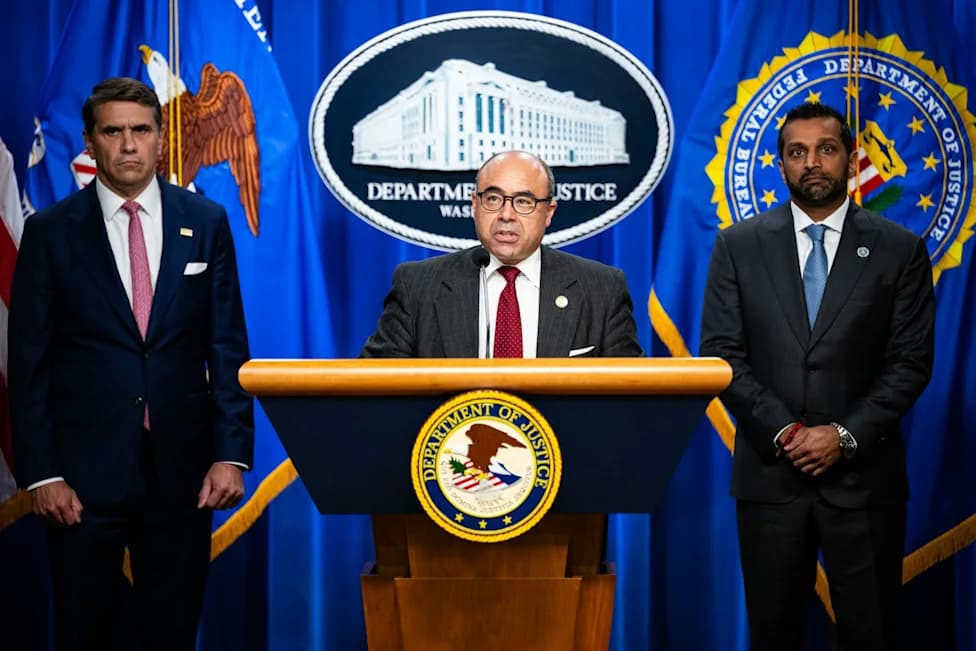
Mecklenburg County Sheriff Garry McFadden issued a statement saying the federal operation had ended. Minutes later, Homeland Security Assistant Secretary Tricia McLaughlin disputed that characterization, saying, "Wrong. Operation Charlotte’s Web isn't ending anytime soon." A DHS source confirmed that Border Patrol official Gregory Bovino and some agents departed the city Thursday, a move that fueled differing interpretations of whether enforcement had paused or was simply shifting tactics.
Impact on the city
The enforcement activity, concentrated over roughly five days, disrupted schools, businesses and daily routines. Charlotte-Mecklenburg Schools reported that more than 30,000 students — about 20% of district enrollment — were absent on Monday. Teachers and school officials described frightened families, lower classroom attendance and parents adjusting work schedules out of concern for their children’s safety.
Small businesses were also affected: a local nonprofit estimated that nearly half of the independent "mom-and-pop" shops it supports closed at some point during the crackdown. One family-run Colombian bakery that had closed only once in 28 years shuttered last week and has not set a reopening date.
Community response and legal warnings
Residents and activists adopted tactics used in other cities: community members watched for raids, blew whistles to warn neighbors, carried signs informing people of their rights and stood outside an ICE processing facility to impede agents. Training sessions sprang up quickly to show people how to respond safely to immigration enforcement activity.
Advocacy groups urged vigilance. The Carolina Migrant Network reminded people that Border Patrol activity does not equate to the end of federal enforcement, warning, "CBP might be leaving but ICE is still here!" and encouraging residents to remain cautious.
Where enforcement may go next
Officials said the focus may shift to other cities. Homeland Security sources indicated that Bovino and his team could mount an operation in New Orleans after the Thanksgiving holiday, possibly as early as Dec. 1. Observers compared the Charlotte activity to a shorter, more abrupt mission in Chicago this fall, and noted the continued emphasis on city-specific enforcement operations.
"We will keep fighting for clarity, accountability and trust," Sheriff McFadden said, while Mayor Vi Lyles called for the community to come together as they recover from the disruption.
The sequence of departures, public statements and ongoing local enforcement has left residents and officials seeking clearer communication from federal authorities about the timing and scope of future actions.
Help us improve.