New Orleans is preparing for Operation "Swamp Sweep," a months-long immigration enforcement campaign expected to begin Dec. 1, with up to 250 federal agents potentially arriving soon. Governor Jeff Landry has backed the deployment and pushed state laws to expand cooperation with federal immigration authorities. Local leaders and advocates warn the crackdown will create fear, raise due-process and racial‑profiling concerns, and strain immigrant communities and businesses. The recent end of federal oversight of the city police adds legal uncertainty to how local officers will respond.
New Orleans Braces for 'Swamp Sweep' — Up to 250 Federal Agents Join Months‑Long Immigration Crackdown

New Orleans — A large-scale immigration enforcement operation called Operation “Swamp Sweep” is set to begin in southeast Louisiana on Dec. 1, and city officials say as many as 250 federal agents could arrive within days. The deployment is backed by Governor Jeff Landry and marks the latest escalation in a broader fight over immigration policy, policing and local autonomy.
Operation details and leadership
The Department of Homeland Security says Operation "Swamp Sweep" will be led by Border Patrol Commander Gregory Bovino, who previously oversaw aggressive enforcement campaigns in Los Angeles, Chicago and Charlotte, North Carolina. Officials describe the effort as a months-long, wide-ranging immigration enforcement campaign focused on identifying and removing people who are considered dangerous by federal authorities.
State push and detention capacity
Governor Jeff Landry has made immigration enforcement a central priority, sponsoring new state laws and legal challenges designed to align Louisiana with federal priorities. Although Louisiana does not share an international border, the state has become one of the nation’s largest detention hubs for Immigration and Customs Enforcement, with capacity exceeding 6,000 detainees. In September, state officials opened the so-called "Louisiana Lockup" inside a state prison to hold immigrants whom federal authorities deem dangerous.
Local leaders and community concerns
New Orleans’ municipal leaders — largely Democrats — have frequently clashed with the governor and state lawmakers over immigration policy. Mayor-elect Helena Moreno, a Mexican‑American immigrant, said there is "a lot of fear" in the city and that she is working to ensure residents who could be targeted by federal agents understand their rights. "I'm very concerned about due process being violated. I'm very concerned about racial profiling," Moreno said.
Immigrant communities are woven into the city's cultural and economic life. New Orleans is home to a large Vietnamese community that arrived after the Vietnam War, thousands of Latino workers who helped rebuild the city after Hurricane Katrina, and a deep Cajun and Creole heritage rooted in French, Spanish, African and Native American traditions. Local advocates warn that aggressive enforcement would have ripple effects on hospitality, service industries and families that depend on immigrant labor.
Police oversight and legal uncertainty
Complicating the response, the New Orleans Police Department was recently released from long-standing federal oversight that previously limited local involvement in immigration enforcement. That change removes an important legal constraint and leaves officers in a potentially conflicted position if city policies and state directives diverge.
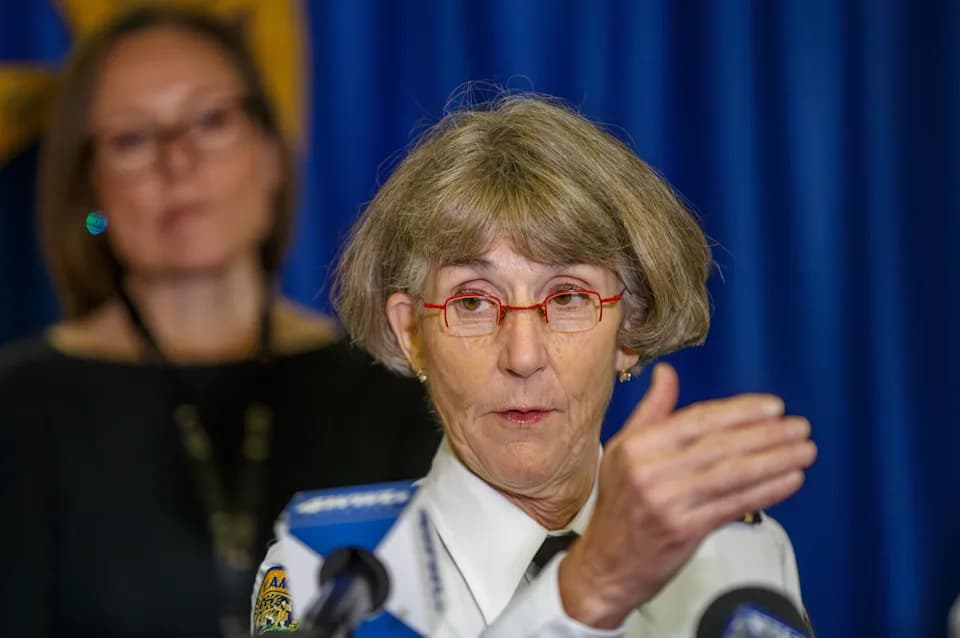
New Orleans Police Chief Anne Kirkpatrick said department policies that treat immigration as a civil matter remain in place and are "not in conflict" with state law, and she said she has met with federal immigration officials to coordinate on public safety. Mayor-elect Moreno has said police will follow state law while continuing to emphasize the department’s view that immigration enforcement is not a local policing responsibility.
State laws and political fight
The Republican-controlled Louisiana Legislature, under Governor Landry's leadership, has passed measures that target municipalities perceived as obstructing federal immigration enforcement. Those laws include penalties for local officials who delay or refuse federal enforcement requests, requirements for state agencies to track and report individuals believed to be in the country illegally who receive state services, and prohibitions on municipal policies that limit cooperation with federal immigration agencies.
Supporters of the laws say they are necessary to enforce public safety. "Apparently we have to have a law to tell people not to break the law," said state Sen. Jay Morris, who sponsored legislation penalizing obstruction of immigration enforcement.
Impact on the sheriff’s office and detention policy
The Orleans Parish Sheriff’s Office, which operates the city jail, has operated under a federal mandate that limits holding people for ICE unless they have committed serious crimes. Court filings indicate the jail complied with only two of 170 ICE detainer requests since 2022. Louisiana’s attorney general has asked a court to end federal oversight of the sheriff’s office, arguing that oversight impedes the state's ability to enforce immigration laws. Sheriff-elect Michelle Woodfork has said she will follow state law if oversight is lifted.
Community response and outlook
Advocates warn the enforcement drive will sow fear in immigrant communities and disrupt local businesses that rely on immigrant labor. "The same people pushing for this attack on immigrants benefit from immigrant labor and the exploitation of immigrants," said Rachel Taber, an organizer with the New Orleans advocacy group Union Migrante. "Who do they think is going to clean the hotels for Mardi Gras or clean up after their fancy parades?"
With the operation imminent and legal battles ongoing, New Orleans faces a tense winter as local officials, community groups and state authorities jockey over enforcement, public safety and the future role of local policing in immigration matters.
Reporting: Cline.
Help us improve.