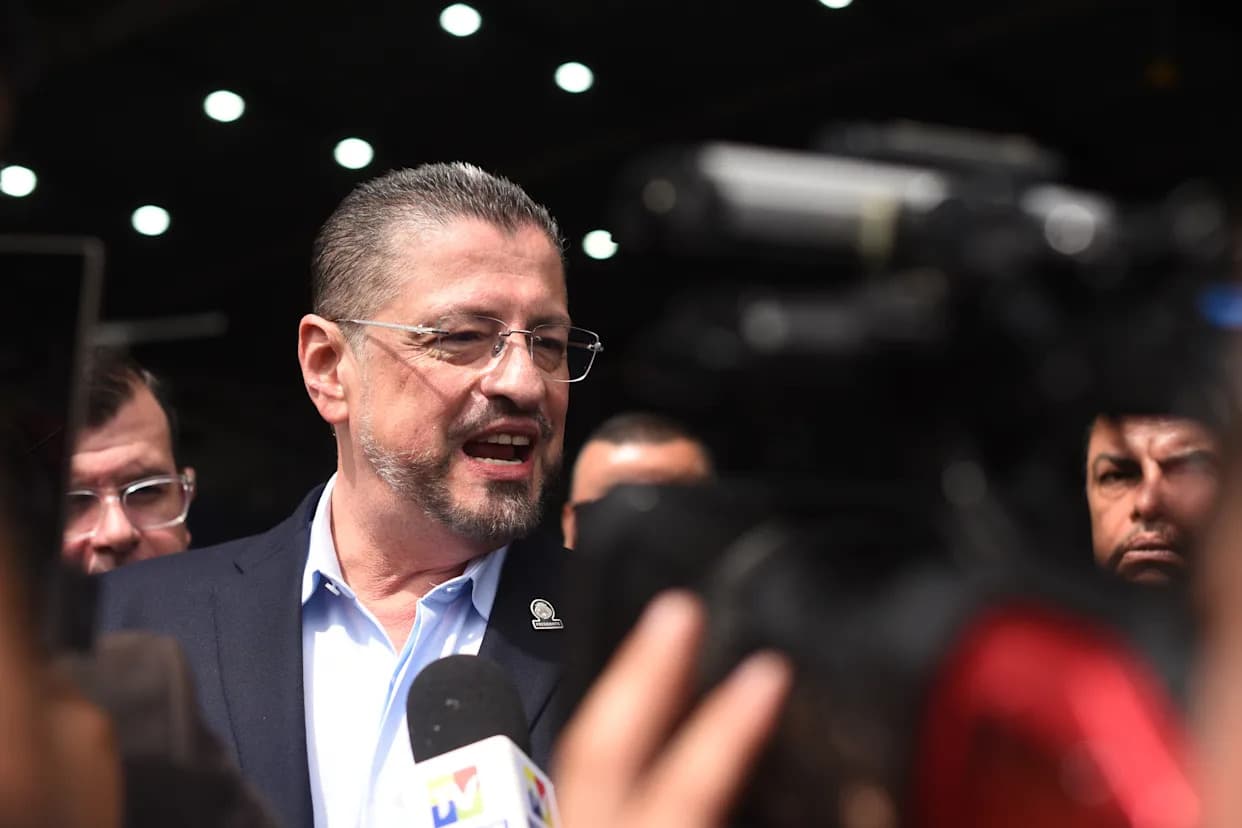
The main presidential candidates in Honduras signed a pact to respect and safeguard the Nov. 30 election results, an initiative backed by the National Electoral Council and the OAS. President Xiomara Castro welcomed the move, but ruling-party candidate Rixi Moncada declined to sign and opposition leaders demanded stronger institutional guarantees. Operational failures — including a withdrawn logistics bidder, a vulnerable results transmission system and leaked audio alleging manipulation — have raised concerns about transparency. Recent polls show several candidates in a tight race, increasing the risk of contested outcomes.
Honduran Candidates Sign Pact to Protect Nov. 30 Vote Amid Fraud Allegations and Military Concerns

Honduran presidential hopefuls sign commitment to safeguard Nov. 30 election
The main presidential contenders in Honduras signed a democratic commitment on Tuesday intended to guarantee transparency and acceptance of the Nov. 30 general election results, organizers said. The pledge, led by the National Electoral Council and backed by the Organization of American States (OAS), was framed as an effort to ease mounting political tensions after President Xiomara Castro accused opposition forces of attempting an "electoral coup,” according to local reporting.
What the pact covers
At a ceremony in Tegucigalpa, candidates representing Libre, the National Party and the Liberal Party agreed to respect the popular will, refrain from hate speech and accept the official results issued by the electoral council. The agreement also contemplates international observation missions and commits to improving the preliminary results transmission system, a component repeatedly criticized for technical vulnerabilities and limited testing.
"A necessary step to defend democracy," President Xiomara Castro said after the signing. Opposition figures welcomed the gesture but called for "real guarantees" of institutional impartiality. Notably, Rixi Moncada, a former cabinet minister under Castro and the ruling party's candidate, declined to sign the pact.
Operational and logistical problems
Operational shortcomings have compounded political anxiety. The electoral council delayed awarding essential contracts for transporting election materials and supplying technology kits for polling stations nationwide. The logistics tender attracted a single bidder, Unión Latin Cargo, which withdrew in early November, citing insufficient logistical, contractual and security guarantees.
"For these reasons, along with other factors, we have been forced to withdraw from the process, as the established deadlines are not being met and we do not have the necessary guarantees or the adequate time to carry out the project correctly, efficiently and safely," said María Lourdes Lagoz, the company's general manager.
Observers say there have been no comprehensive logistical drills to test the preliminary results transmission system, limited training for electoral custodians, and delays in accrediting national observers — all gaps that reduce citizen oversight and raise doubts about the system's readiness.
Leaked audio, military role and international concern
In late October, leaked audio recordings allegedly connected members of the National Party, retired military officers and an electoral council official to a plot to manipulate results. President Castro denounced the recordings as part of a conspiracy involving an electoral official, a National Party lawmaker and a pastor that she said aimed to "alter the popular will" in favor of conservative sectors.
Following the disclosures, Castro urged the armed forces to help ensure transparency. The military then requested access to voting records and proposed transferring them to military bases for safekeeping — a proposal Transparency International and other monitoring groups described as potential "interference." The OAS and the European Union have also urged respect for constitutional procedures and basic safeguards to secure the vote.
Political stakes and outlook
Research from the Center for the Study of Democracy indicates high levels of public distrust in the electoral process: primary turnout fell below 43 percent, and the campaign has been dominated by personal attacks, misinformation and little substantive policy debate. Recent polls show a technical tie among three of the five presidential contenders, increasing the risk of contested results and post-election disputes.
On Nov. 30, Hondurans will also elect 128 legislators, 298 mayors and 20 representatives to the Central American Parliament — results that could shape the country's political balance for years to come.
Help us improve.