Republicans in Iowa are pressing a proposed $15 billion steel mill and a major influx of campaign cash to shore up competitive statewide and congressional contests. Lawmakers approved about $1.4 billion in tax incentives for a Lee County plant that proponents say would deliver 1,750 permanent jobs and roughly 6,000 construction jobs, though critics compare the plan to FoxConn and warn of fiscal risk. With the Senate Leadership Fund adding $20 million to support Rep. Ashley Hinson and total GOP spending now over $100 million, the project has become a pivotal—and controversial—element of the final midterm push.
Iowa Gambit: $15B Steel Mill and $100M-Plus GOP Spending Fuel Final Weeks of Tight Midterm Battle
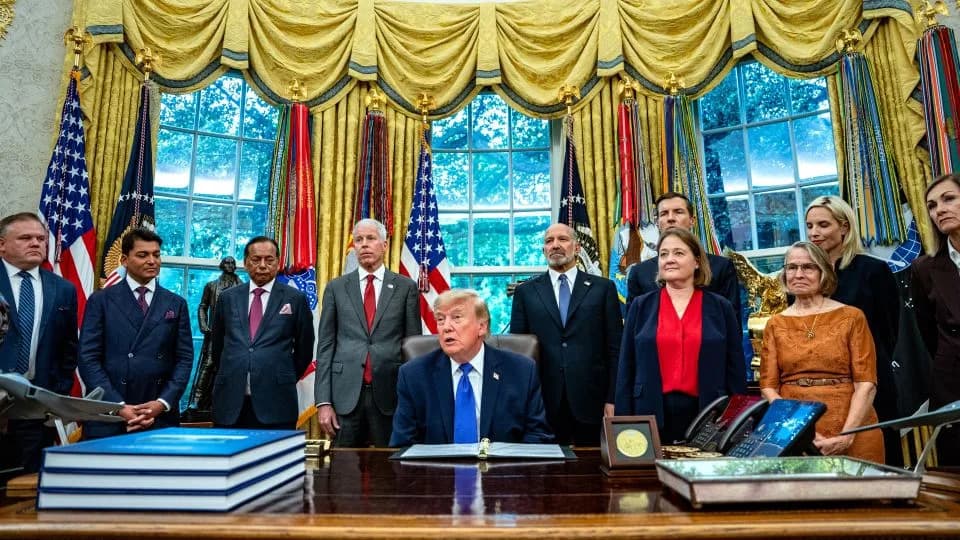
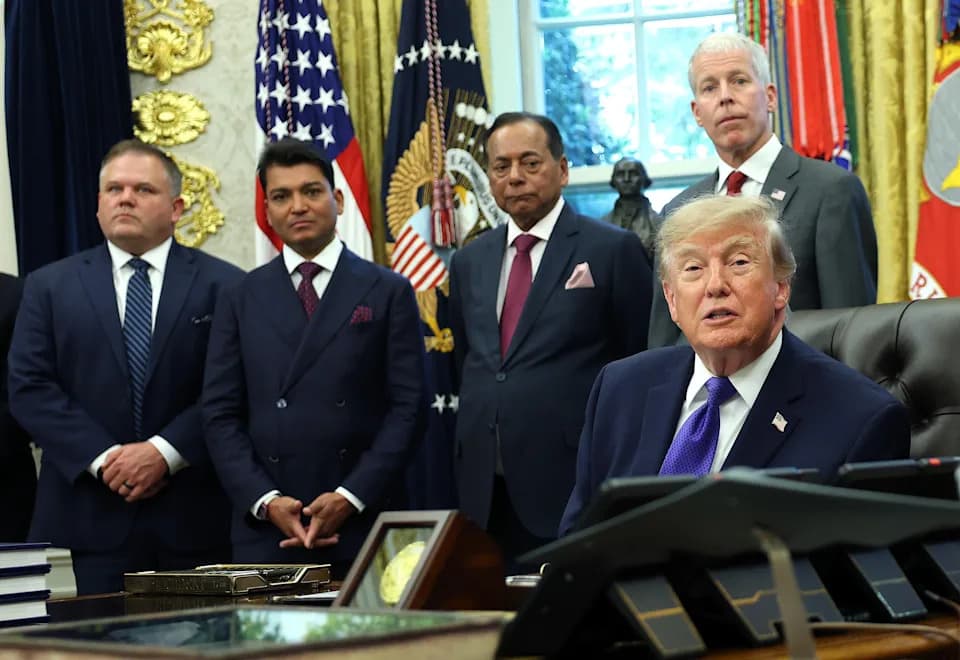
US President Donald Trump, center, speaks during an announcement in the Oval Office of the White House on Monday, Sept. 28. Trump announced plans for Mesabi Metallics to build a $15 billion steel plant in Iowa. - Bonnie Cash/UPI/Bloomberg/Getty Images
Republican leaders in Iowa have launched a last-minute political push centered on a proposed $15 billion steel mill and a surge of campaign spending as they try to blunt economic headwinds and protect several vulnerable races ahead of November. Governor Kim Reynolds called a special session to clear the way for roughly $1.4 billion in tax incentives for a plant proposed near the Mississippi River in Lee County.
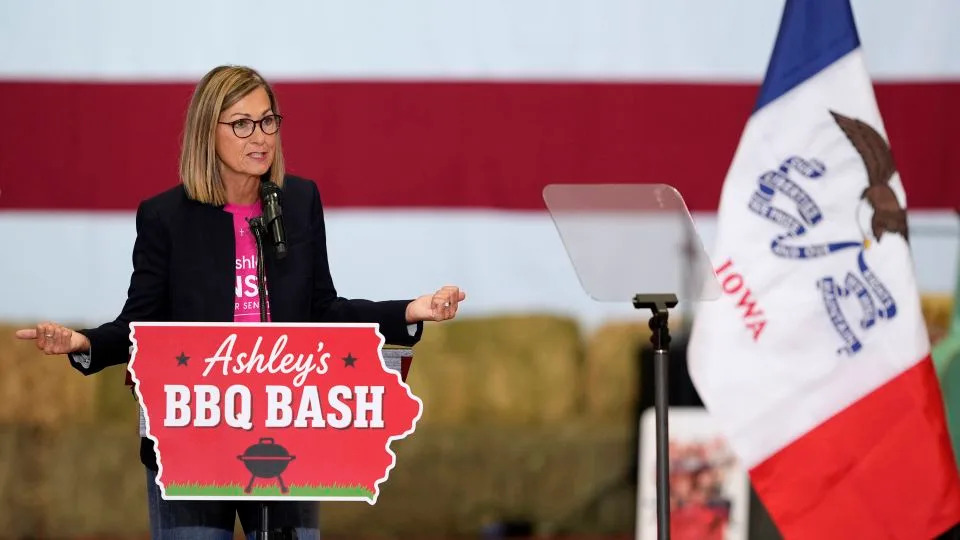
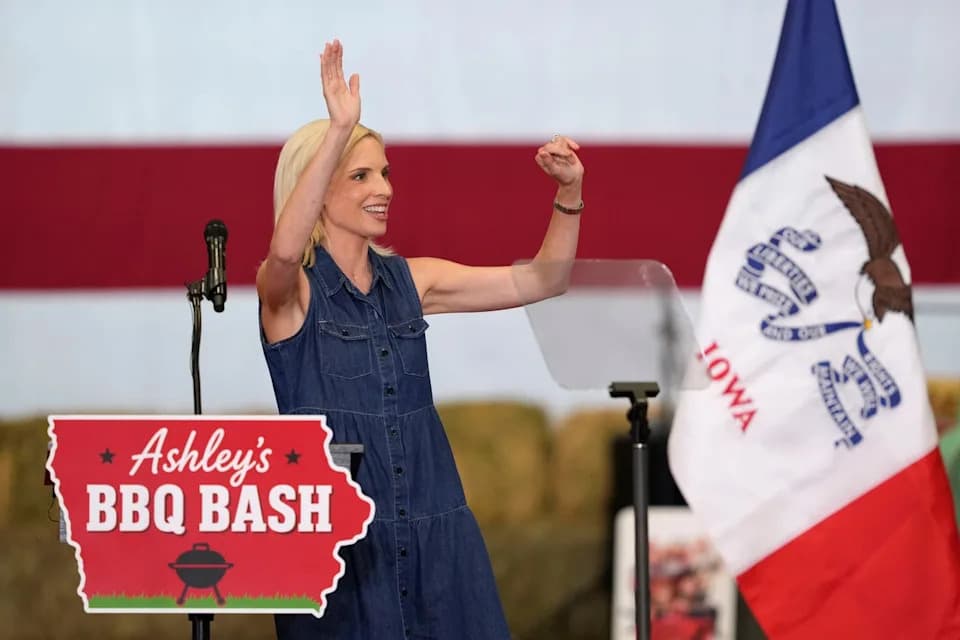
Iowa Gov. Kim Reynolds speaks during a BBQ fundraiser for Iowa Republican US Senate candidate, Rep. Ashley Hinson at the Horizon Events Center in Clive, on August 29. - Charlie Neibergall/Getty Images
What Was Approved
Lawmakers voted to enable an incentives package tied to a plan promoted by Mesabi Metallics that officials say would support about 1,750 permanent jobs and roughly 6,000 construction jobs. The package—roughly $1.4 billion in tax incentives—was approved despite vocal concern from some Republican senators about the long-term fiscal impact.
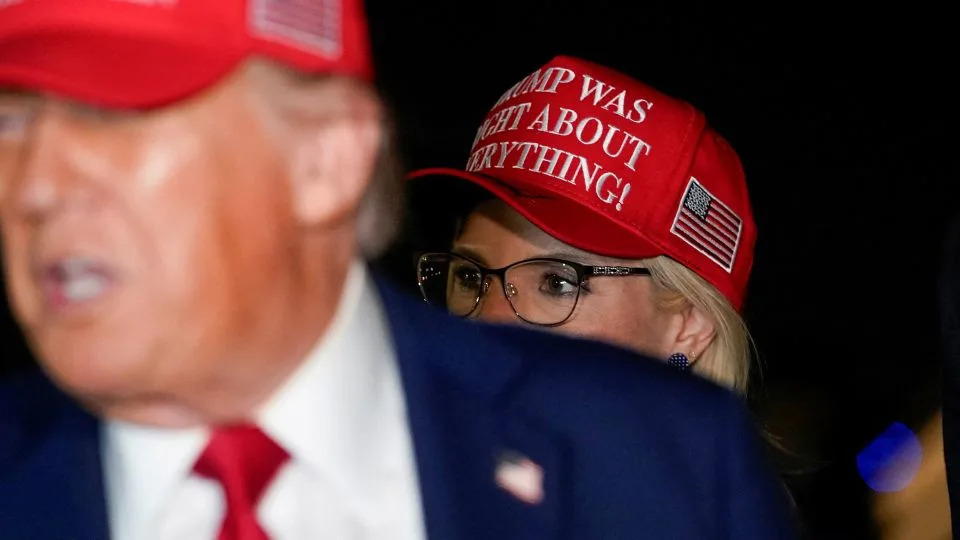
US Representative Ashley Hinson looks on as President Donald Trump speaks at Joint Base Andrews, Maryland, following a visit to Iowa, on July 4, 2025. - Nathan Howard/Reuters
Political Context
The announcement came as President Donald Trump traveled to Iowa to tout the project and as the Senate Leadership Fund, the GOP’s super PAC, pledged an additional $20 million to back Rep. Ashley Hinson’s U.S. Senate campaign—bringing reported GOP spending in Iowa past $100 million. Republicans view the combination of a high-profile economic project and heavy ad spending as a way to protect the governor’s office, a U.S. Senate seat and three House seats.
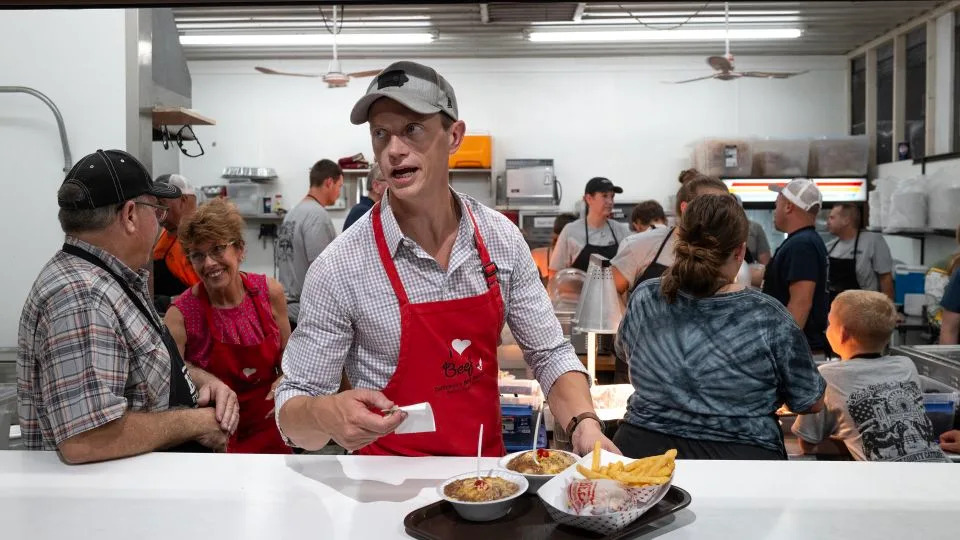
Iowa Democratic nominee for Governor Rob Sand volunteers serving food at the Cattlemen's Beef Quarters concession at the Iowa State Fair in Des Moines, on August 15. - Scott Olson/Getty Images
Reactions And Doubts
Reactions across the political spectrum ranged from guarded optimism to deep skepticism. Supporters emphasize job creation and potential local economic benefits, while critics cite comparisons to the FoxConn debacle in Wisconsin and warn the incentives could leave taxpayers shortchanged. Sen. Dan Dawson, the GOP chair of the Senate Ways and Means Committee, was among five Republican senators who voted against the measure, saying the state might forgo significant revenue for years.
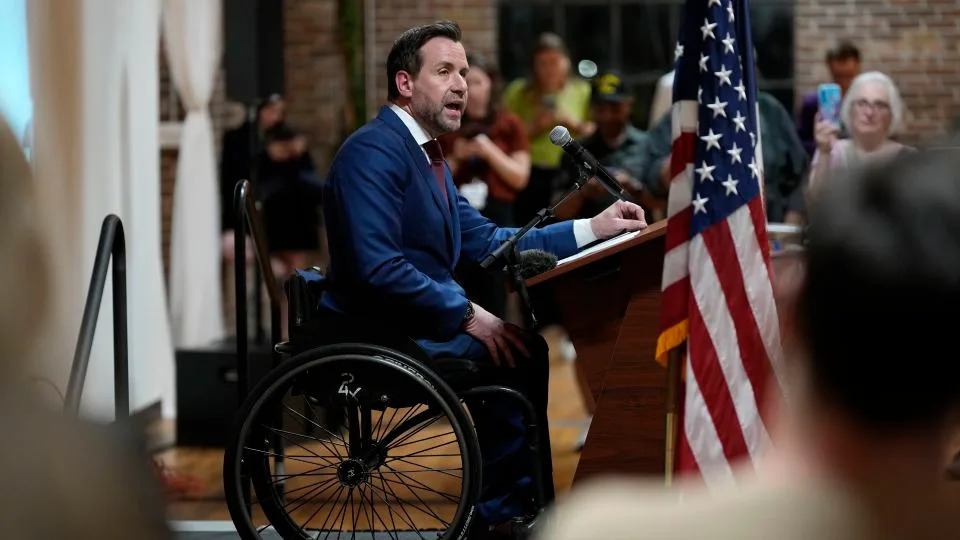
Iowa Democratic US Senate candidate Josh Turek speaks during a primary night rally at The Loft in Des Moines on June 2. - Charlie Neibergall/Getty Images
"If you're not willing to walk away from a deal, you'll always negotiate against yourself," Sen. Dan Dawson said on the Senate floor, noting the potential cost per projected job.
Campaign Impact
The steel mill pitch has become a political wildcard. Republicans hope the promise of jobs and a high-profile presidential endorsement will motivate the GOP base, while Democrats point to rising fuel and household costs—exacerbated by foreign policy and trade tensions—as messaging advantages. Democratic state Rep. Josh Turek and other Democrats have called for more detail, and state auditor and Democratic gubernatorial nominee Rob Sand said he would "reserve judgment" pending further information.
Voter Landscape
Registered Republicans currently outnumber Democrats in Iowa (about 712,000 Republicans to 529,000 Democrats), but early voting data gives Democrats some reason for optimism: Democrats account for a higher share of ballot requests than at the same point in the previous cycle. Independent voters remain the key swing group.
What Comes Next
Key open questions include whether Mesabi Metallics will deliver on its timeline and commitments, how quickly the state will see tax revenues from the project, and whether the combined policy pitch and campaign spending will shift enough votes in a razor-tight contest. The coming weeks are expected to feature more visits, ads and scrutiny as both parties press their closing arguments to voters.
Help us improve.