The Iowa legislature approved $1.36 billion in tax incentives for Mesabi Metallics, owned by India's Essar Group, to build a proposed steel plant in Lee County. Lawmakers passed the bill in a one-day special session—75-17 in the House and 28-19 in the Senate—and Gov. Kim Reynolds signed it into law. Critics say the incentives amount to roughly $777,000 per permanent job and complained the process was rushed; supporters point to thousands of construction jobs and long-term investment. Mesabi projects the plant will not be operational before 2030, and reported financial ties to Russia's VTB bank remain unverified by CBS News.
Iowa Approves $1.36B Incentive Package for Foreign-Owned Steel Plant as 2026 Races Tighten
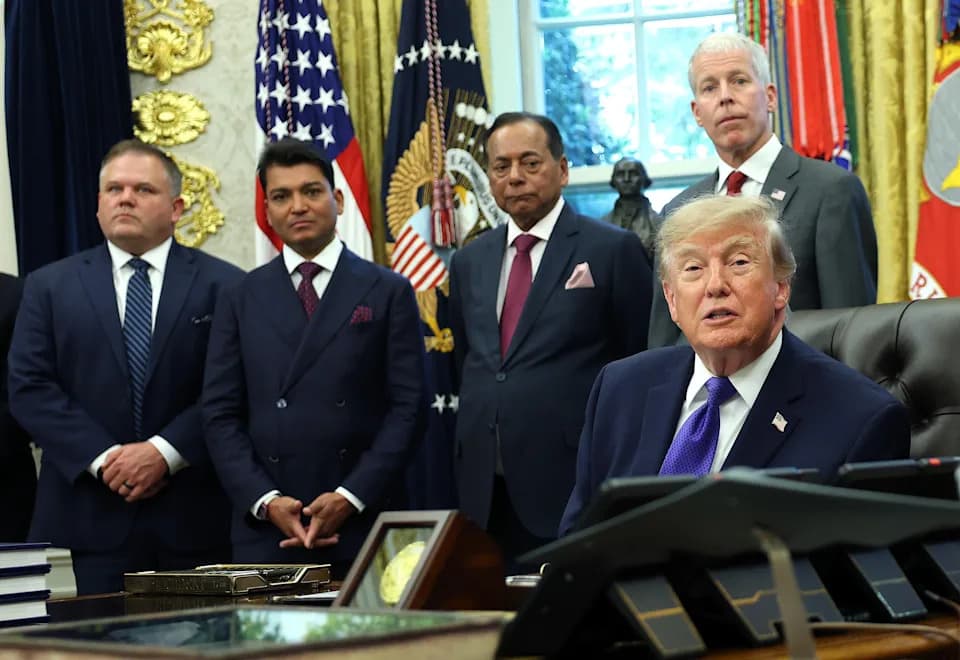
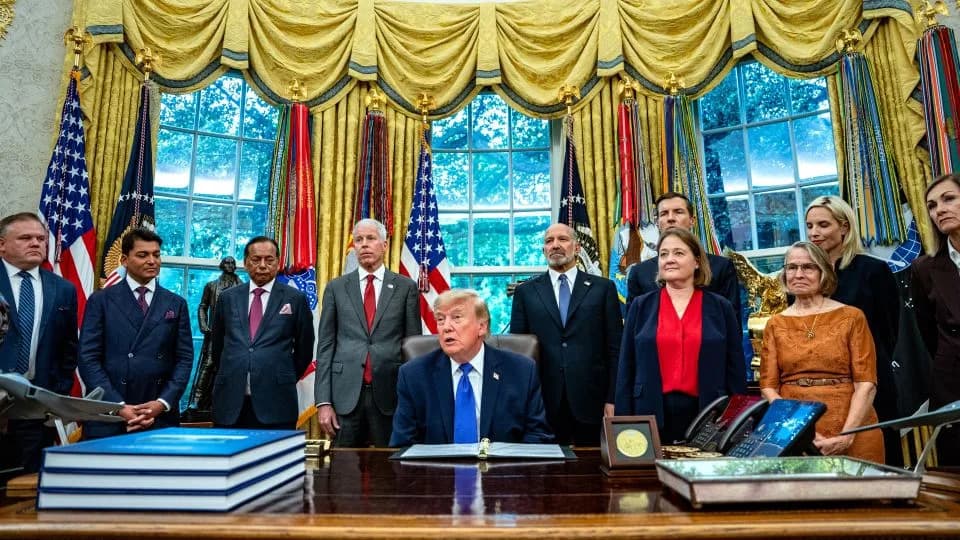
(L-R) Mesabi Metallics President and CEO Joe Broking, Chairman Rewant Ruia, board member and Essar Capital director Ravi Ruia, and Energy Secretary Chris Wright listen as President Trump speaks in the Oval Office on September 28, 2026. / Credit: Kevin Dietsch / Getty Images
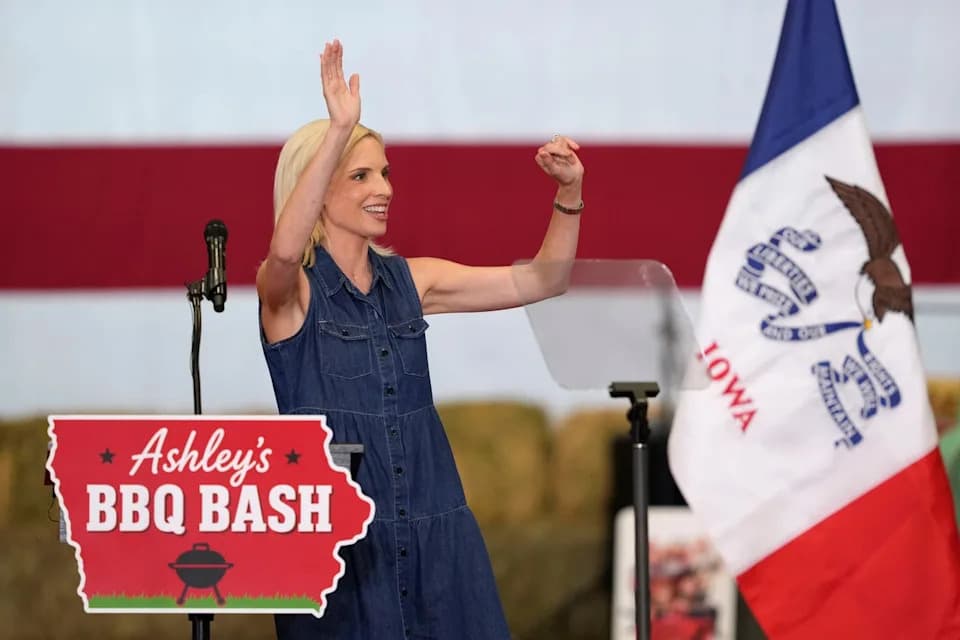
Protesters gathered at the Iowa Statehouse, carrying signs that read "No Steel Steal!" as lawmakers convened a one-day special session and approved $1.36 billion in tax incentives over ten years for a proposed Mesabi Metallics steel plant in Lee County. Mesabi Metallics is owned by the India-based Essar Group. The Iowa House passed the measure 75-17, the Senate 28-19, and Gov. Kim Reynolds signed it into law Friday night.
What Was Announced
The vote followed a high-profile announcement earlier in the week by former President Donald Trump, who called the project the largest steel plant in U.S. history and said it would represent a $15 billion investment, producing about 1,750 permanent jobs and roughly 6,000 construction jobs. A White House official, Howard Lutnick, told reporters that "the deal is done," a comment that surprised many state lawmakers who said they had not received full details before the special session.
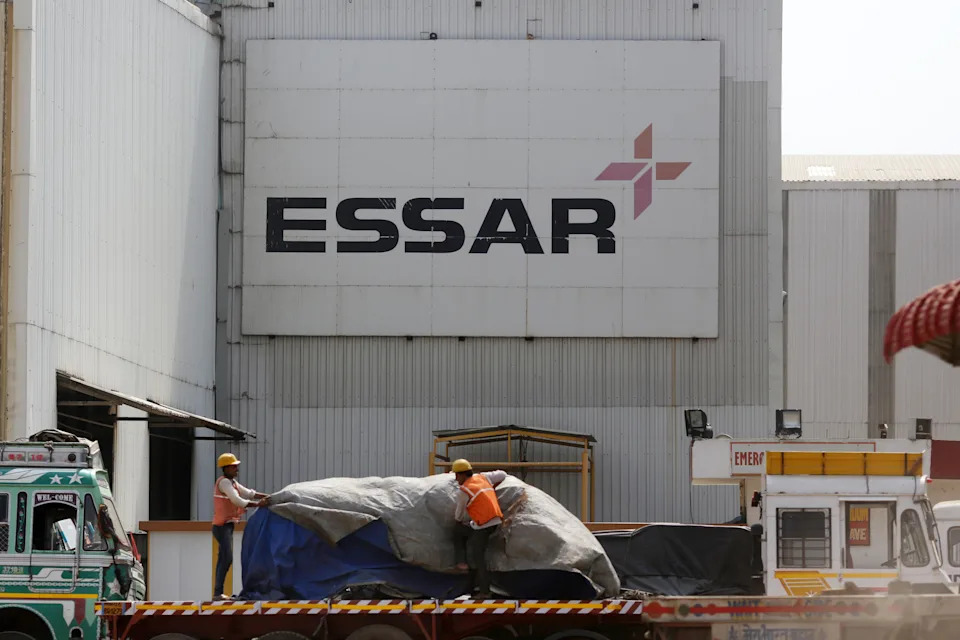
Signage for Essar Steel Ltd. is displayed as workers load items onto a truck at the company's Pune Facility near Pune, Maharashtra, India, on Friday, Oct. 26, 2018. / Credit: Dhiraj Singh / Bloomberg via Getty Images
Cost, Jobs and Timelines
Critics highlighted the headline math: $1.36 billion in incentives works out to roughly $777,000 in tax credits per permanent job over ten years. Supporters counter that the calculation omits the roughly 6,000 construction jobs the project would generate, though those positions are temporary. Mesabi says the plant would not be operational before 2030, and tax credits would only begin once the facility is up and running.
Local Context and Political Stakes
Iowa is not a traditional iron-and-steel state: it lacks commercial iron ore deposits and hosts only a few smaller scrap-fed mills. Mesabi — based in Minnesota — argues Iowa's Mississippi River location offers logistical advantages. The proposed plant site is in Iowa's 1st Congressional District, one of the nation's most closely watched races, making the project politically charged ahead of early voting on Oct. 14.
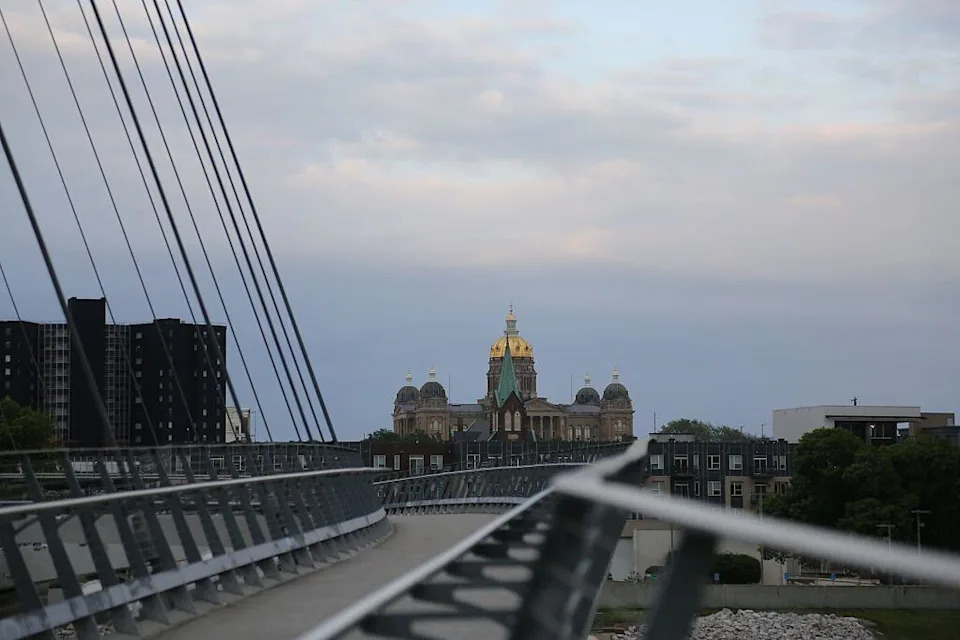
Photo taken on May 14, 2026 shows the building of Iowa State Capitol with a gold-leafed dome in Des Moines, Iowa, the United States. / Credit: Zhang Fengguo/Xinhua via Getty Images
Concerns About Track Record and Transparency
Mesabi and parent company Essar have faced scrutiny for past missed deadlines and scaled-back plans. Essar previously announced a large iron-ore and steel project in Nashwauk, Minnesota, that was abandoned; Essar Steel Minnesota filed for bankruptcy in 2016 before the assets changed hands and later returned to Essar control. Local reports also say Essar received substantial loans from Russia's VTB bank; CBS News has not independently verified those claims.
"If we were doing this the right way, we would be waiting until after the election," Iowa Senate Democratic Leader Janice Weiner told CBS News, underscoring complaints about the rushed timetable.
Legislative Process and Reactions
Some Republican lawmakers who voted for the bill expressed discomfort with the speed of the process. Critics pointed to a last-minute change on the Senate Ways and Means Committee that removed one senator who raised budget concerns; the committee passed the measure 10-8 with six Republican senators dissenting.
Supporters, including some Republicans and local officials, argue the long-term economic activity and construction employment justify the package, calling the opportunity "once in a lifetime." Opponents called for greater safeguards, clearer performance guarantees, and more time for due diligence.
What Comes Next
The earliest possible ribbon cutting is years away. For now, the political question facing Iowans this fall is whether voters believe the project will materialize and whether $1.36 billion in incentives was an appropriate price to attract it.
Help us improve.