Biscayne Bay has been designated an Important Shark and Ray Area (ISRA) after researchers found unusually high concentrations of juvenile sharks, making it a rare, productive nursery next to Miami. The designation—led by the University of Miami—does not create legal protections but can guide fisheries management, environmental reviews and conservation planning. Miami-Dade’s report card still rates much of the bay as "poor" or "fair" due to nutrient and bacteria pollution, even as officials pursue plans to set nutrient targets and reduce runoff. Scientists and local leaders call for stronger, sustained action to protect both the bay’s ecology and its $64 billion-a-year economic value.
Biscayne Bay Designated a Rare Shark Nursery Near Miami — Scientists Sound Call For Stronger Protections
This Florida bay 'rare example' of successful shark nursery near major city
Biscayne Bay has been designated an Important Shark and Ray Area (ISRA) after researchers documented an unusually high concentration of juvenile sharks from multiple species in waters adjacent to the Miami metropolitan area. The designation, led by the University of Miami, highlights the bay’s role as essential nursery and reproductive habitat for sharks and rays despite ongoing environmental pressures.
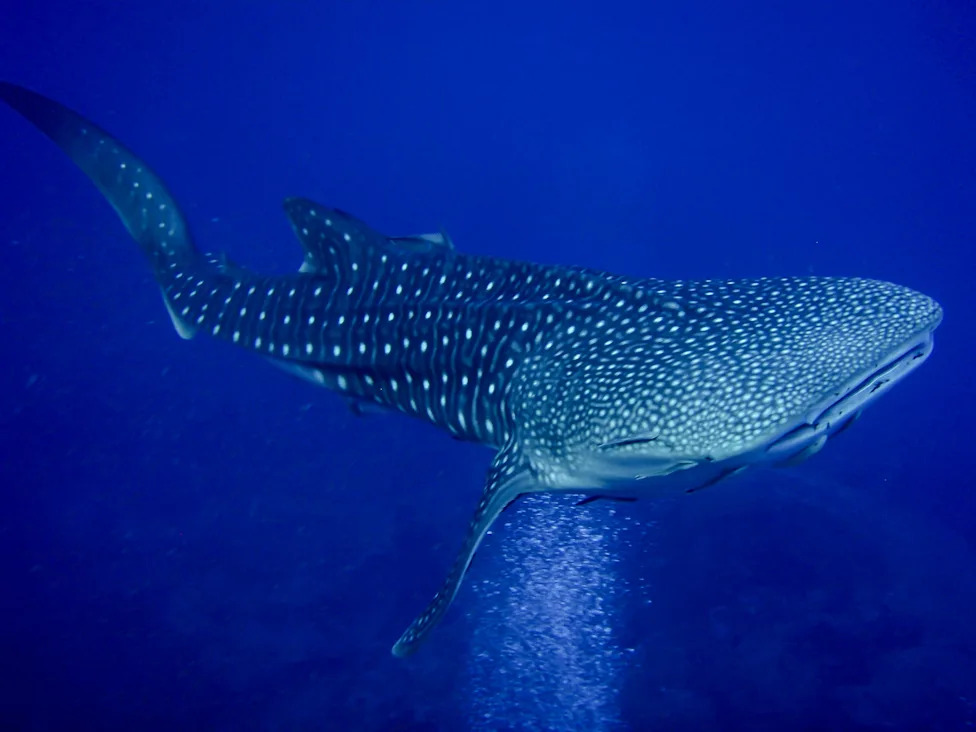
With more than 500 species of sharks in the ocean, they're bound to come in all shapes and sizes. The whale sharkis the largest,commonly ranging in size from 18 feet to almost 33 feet long, with the largest measured whale shark surpassing 61 feet.(mrsixinthemix, Getty Images/iStockphoto)
What the ISRA Designation Means
ISRA (Important Shark and Ray Area) status recognizes places that play a significant role in the development and survival of sharks, rays and chimaeras. The designation—developed through the International Union for Conservation of Nature—does not itself create a marine protected area, but it provides scientific evidence that can inform fisheries management, environmental impact assessments, habitat-conservation planning and infrastructure decisions.
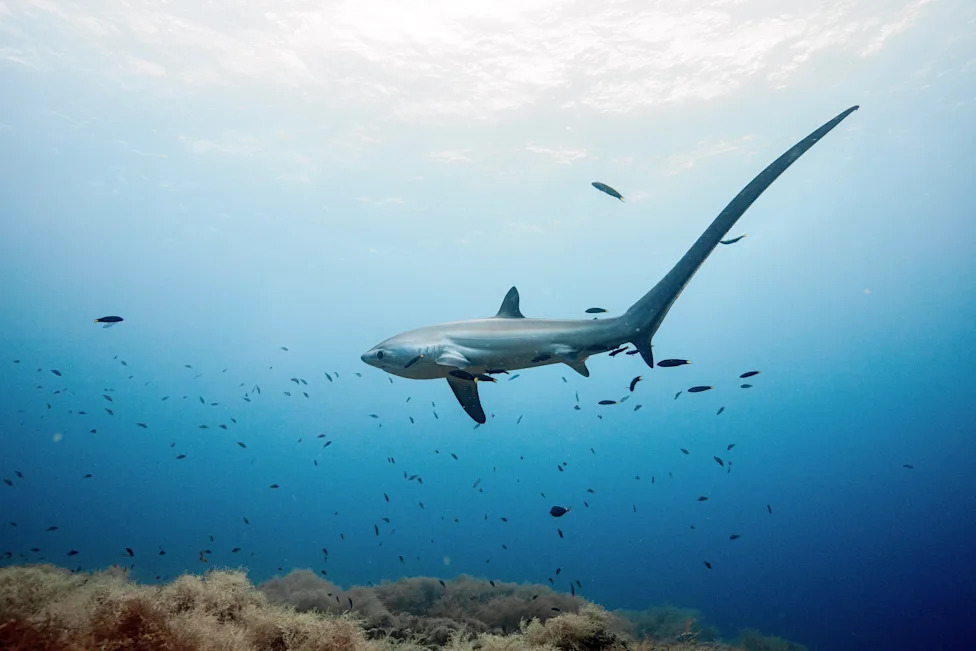
Thresher sharks use their long tails like whips to swat and stun fish before preying on them. The tail moves from side-to-side while swimming, but the strike happens over the shark's head, similar to how Indiana Jones uses a whip.(Soonyoung Han, Getty Images)
Sharks Found in Biscayne Bay
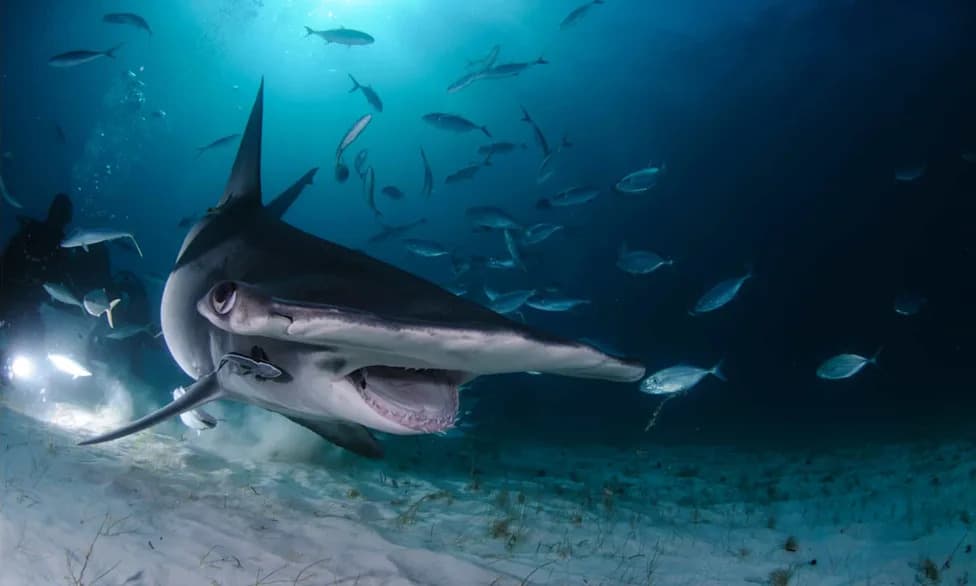
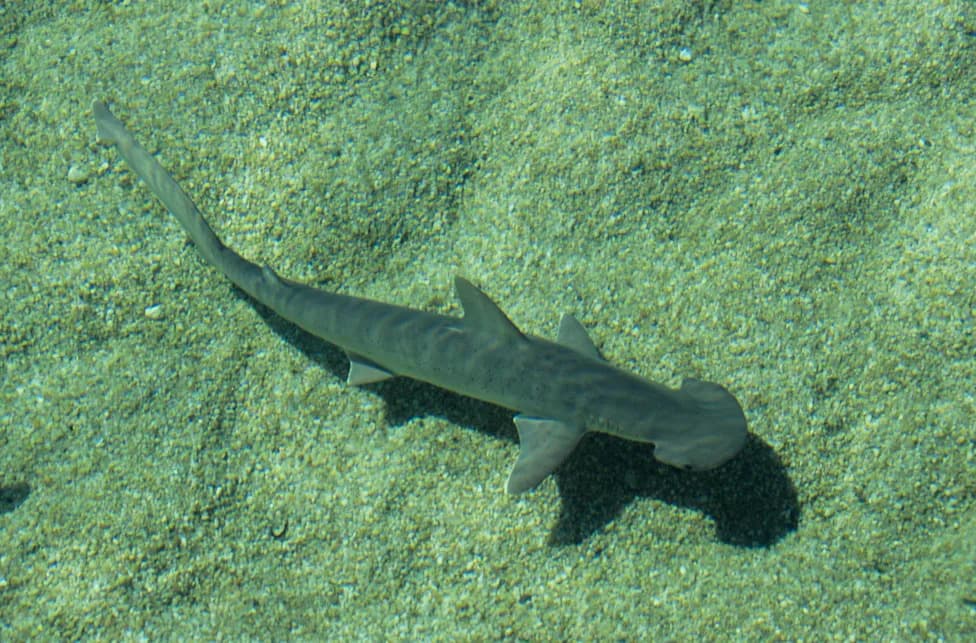
Researchers reported that Biscayne Bay provides nursery and reproductive habitat for several species, including bonnetheads, nurse sharks, great hammerheads and tiger sharks. High concentrations of juveniles make the bay a rare example of a productive shark nursery located so close to a major city.
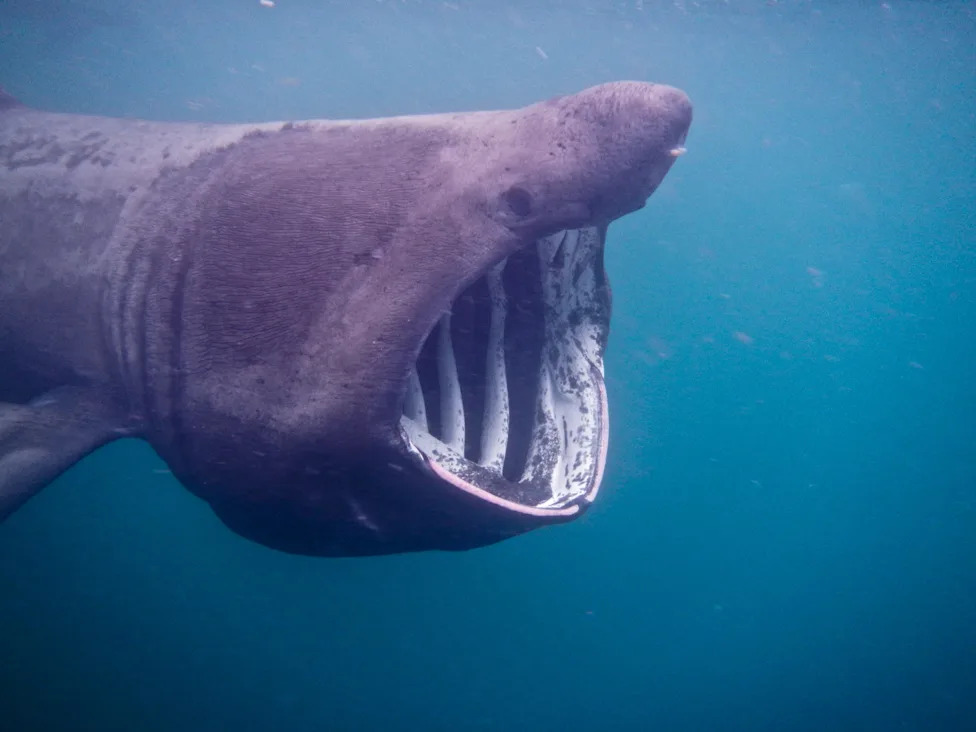
Basking sharks are called the gentle giants of the sea. They are, in fact, giant and can reach up to 40 feet long. The only species of fish bigger than the basking shark is the whale shark, according to theBureau of Ocean Energy Management.(Rebecca-Belleni-Photography, Getty Images/iStockphoto)
Shark Spotlight (Select Species)
Whale Shark: The world’s largest fish, typically 18–33 ft; the largest recorded exceeded 61 ft.
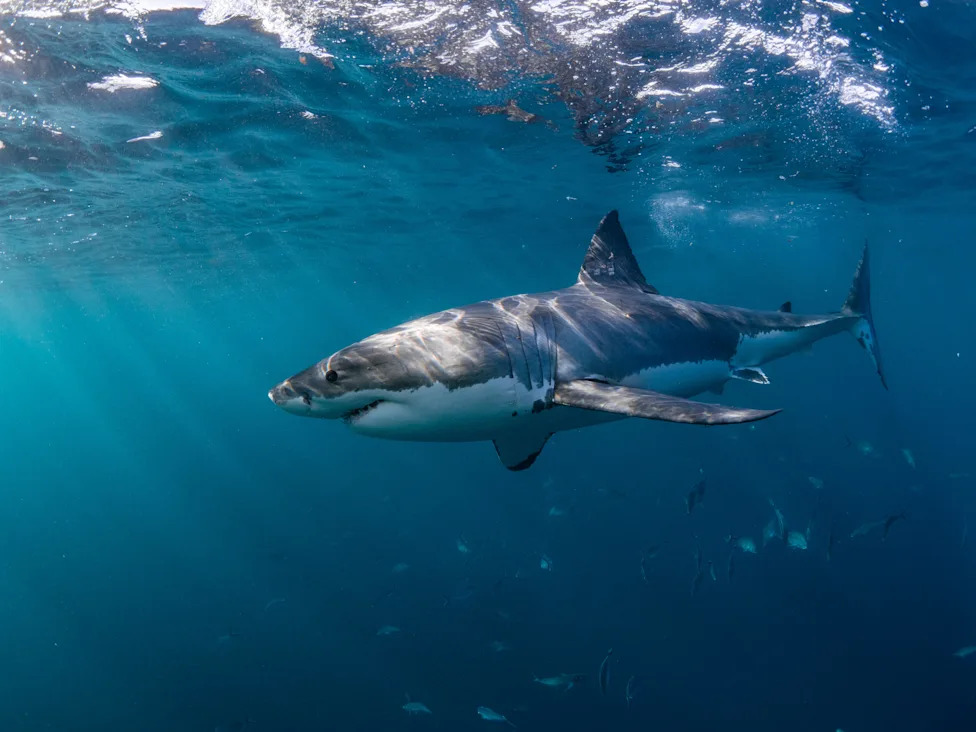
Great white sharks may grow slowly, but they can reach up to 20 feet in length. As for age, NOAA estimates they can range from 30 years to over 70 years old. Great white sharks are known to prey on seals and sea lions, and sometimes are seen breaching from the water in an attack.(Rosie Leaney, Getty Images)
Basking Shark: A gentle giant that can reach about 40 ft, second only to the whale shark among fishes.
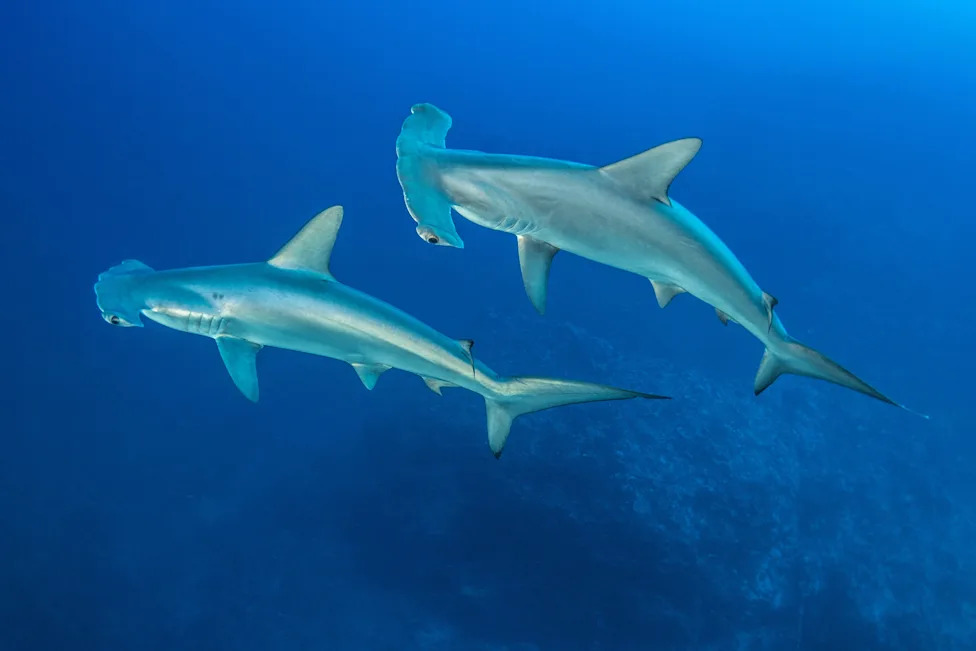
Scalloped hammerhead sharks are part of the hammerhead family, and can be distinguished by the scalloped edging across their heads. These hammerheads can be seen swimming together in large schools during some points in the year,which is rarefor predators at the top of the food chain.(atese, Getty Images/iStockphoto)
Great White: Can reach about 20 ft and live 30–70+ years; known to prey on seals and sea lions.
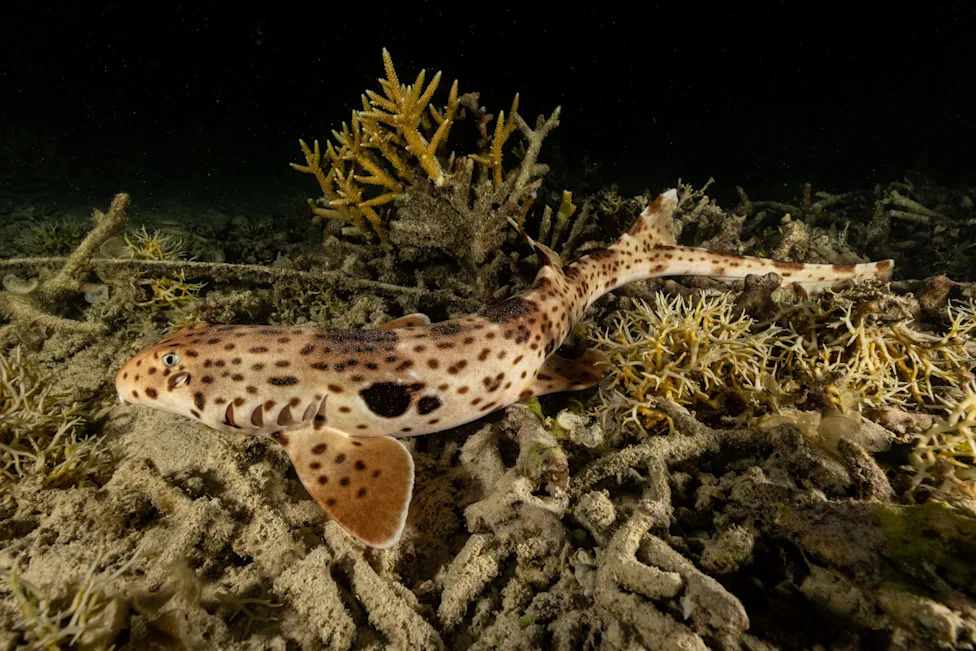
Epaulette sharks can walk on land. The small shark has the incredibly ability to scoot its body across the sea floor, corals and even out of the water. Don't worry if you see it on dry land; it has adapted and is able to survive some periods of time with very little or no oxygen at all.You can see it in action here.(ifish, Getty Images)
Scalloped Hammerhead: Recognizable by notched cephalofoil and sometimes forms large schools.
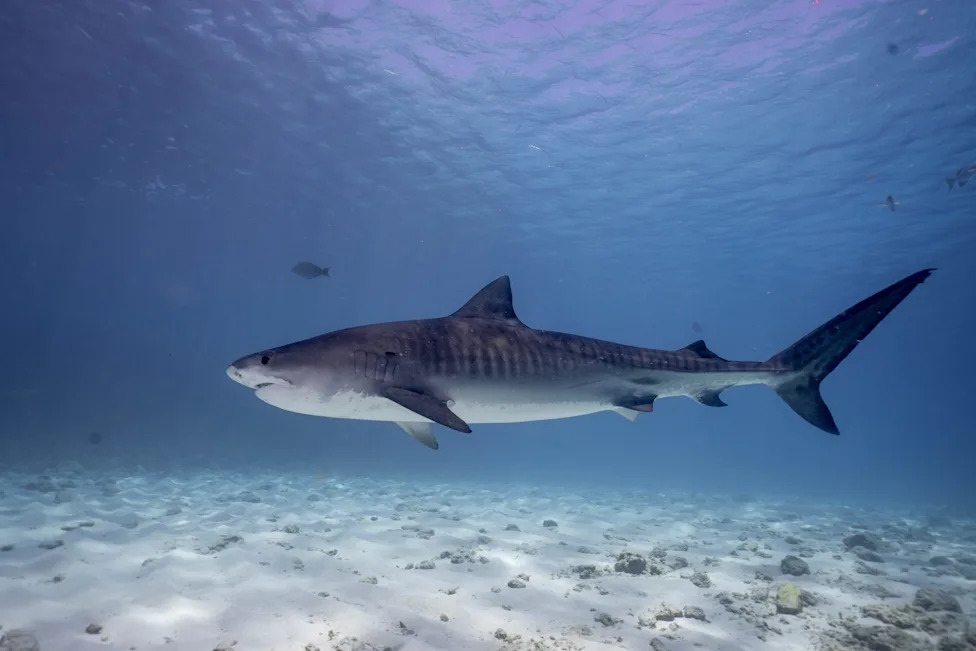
Tiger sharks can be spotted easily, thanks to the tiger-like striping on their sides. While curious and typically not aggressive towards humans, tiger sharks and great whites are two of the species mostcommonly involved in human bites.(Nicolas Sanchez-Biezma, Getty Images)
Epaulette Shark: Small species capable of ‘walking’ across reef and surviving short periods with very low oxygen.
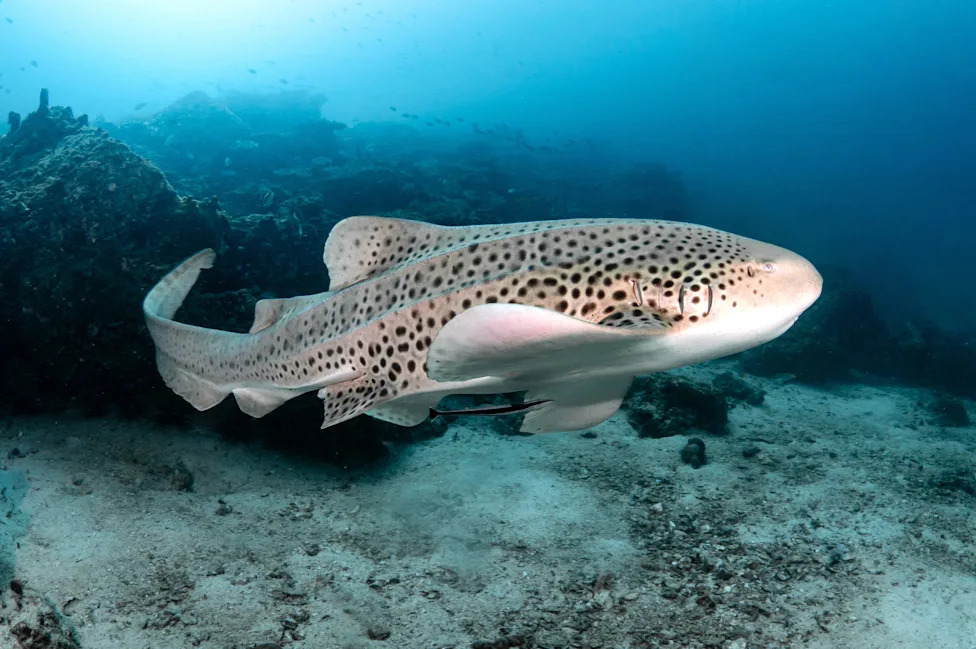
Many sharks need to keep water moving over their gills to breath, but zebra sharks have the ability to breathe without swimming. They can rest with their mouths open and use their throat muscles to pump water through their gills. The name might be surprising, considering theydo not look like zebras,however their pups are born with stripes that do resemble the animal.(Zephyr18, Getty Images)
Zebra Shark: Can pump water across its gills while resting; pups are striped like zebras.
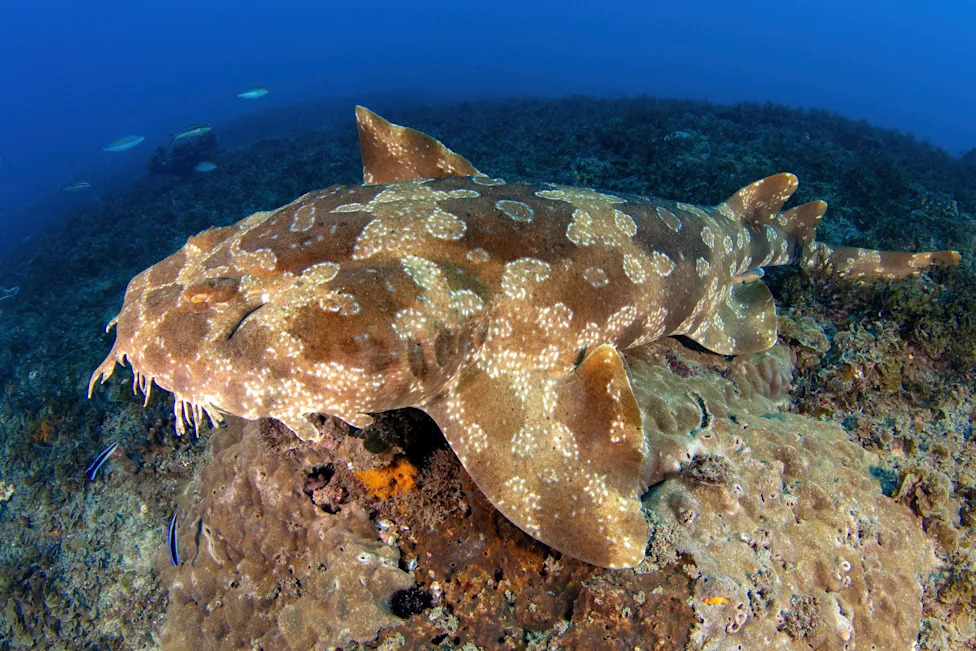
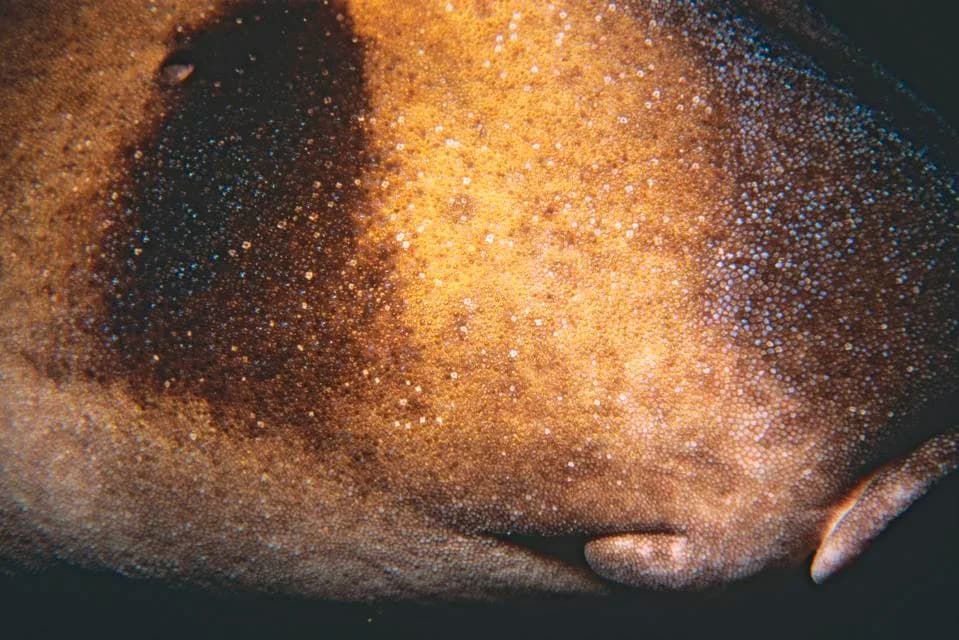
The wobbegong shark is named after an Australian Aboriginal word meaning "shaggy beard," according tothe Smithsonian Institute.The name is fitting for this carpet shark that often lies on the ocean floor and vacuums up crustaceans and fish as they swim by.(AndriiSlonchak, Getty Images)
Wobbegong: A carpet shark named from an Australian Aboriginal word meaning “shaggy beard,” ambushing prey from the seafloor.
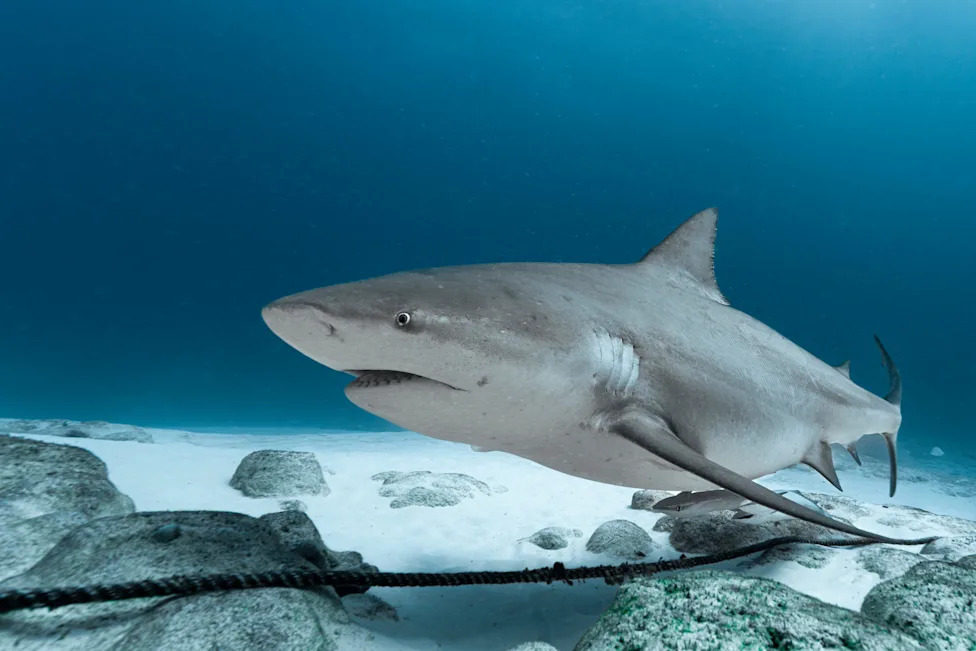
Bull sharks areone of the most aggressivespecies of sharks when it comes to humans. They are responsible for many unprovoked bites around the world, according tothe Florida Fish and Wildlife Conservation Commission.As a result, some experts consider them to be more dangerous than white sharks and tiger sharks.(Kristof Goovaerts, Getty Images)
Bull Shark: Frequently implicated in unprovoked bites; can tolerate fresh water and coastal habitats.
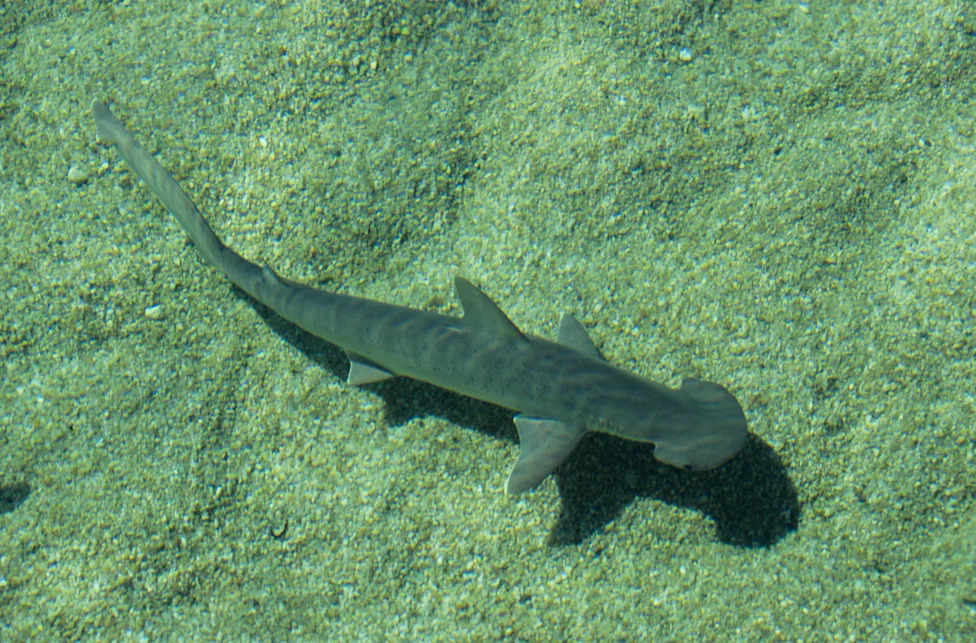
Bonnethead sharks are the smallest member of the hammerhead shark family. They reach up to 5 feet in length and are typically found in warm, shallow coastal waters, according to NOAA.(Tom Brakefield, Getty Images)
Blacktip Reef: Prefers clear, shallow reef waters; adults range roughly 3–3.7 ft depending on sex.
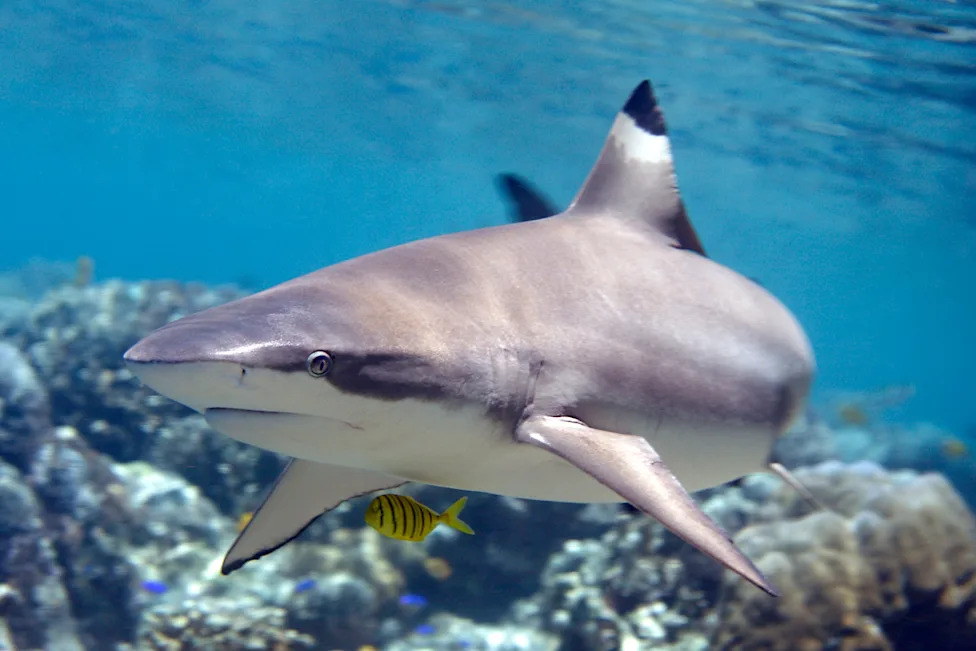
Blacktip reef sharks have a black and white tip on their dorsal fin and prefer to swim in clear, shallow waters around reefs and atolls. When they'refully-grown,male sharks grow to around 3-3.3 feet in length, while females are slightly bigger at 3.1-3.7 feet.(cbpix, Getty Images/iStockphoto)
Shortfin Mako: Considered the fastest shark, reaching speeds up to about 43 mph.
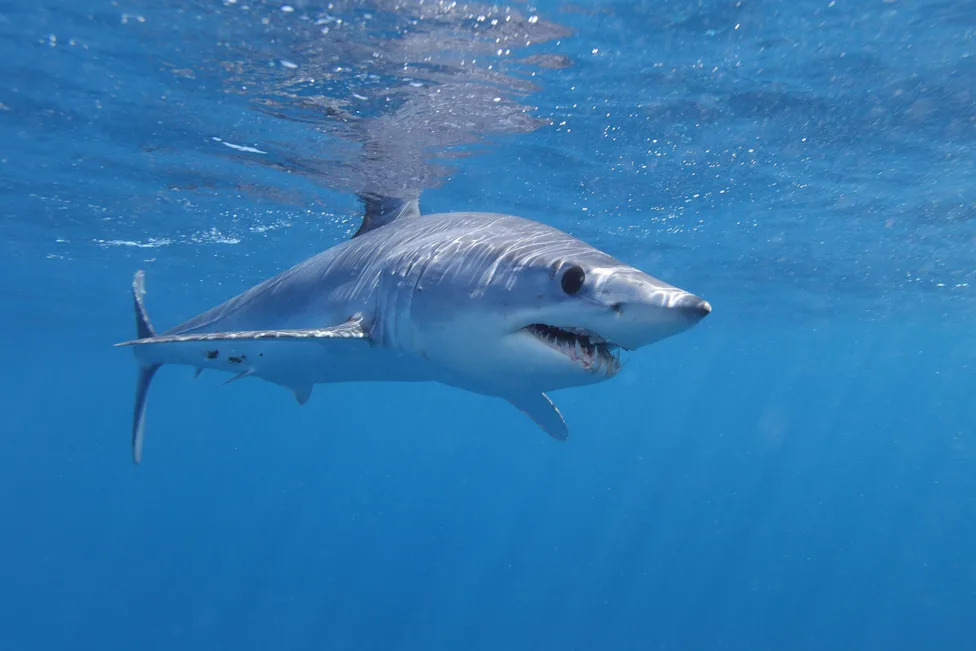
The shortfin mako is thought to be thefastest shark in the world,reaching up to 43mph. Mako sharks can be easily distinguished, thanks to their pointed snouts and large eyes. The longfin and shortfin makos both have pointed snouts and big eyes, though the eyes and pectoral fins are larger on longfin makos.(Alessandro De Maddalena, Getty Images/iStockphoto)
Nurse Shark: Slow-moving bottom dweller that feeds on crustaceans, mollusks and small fish.
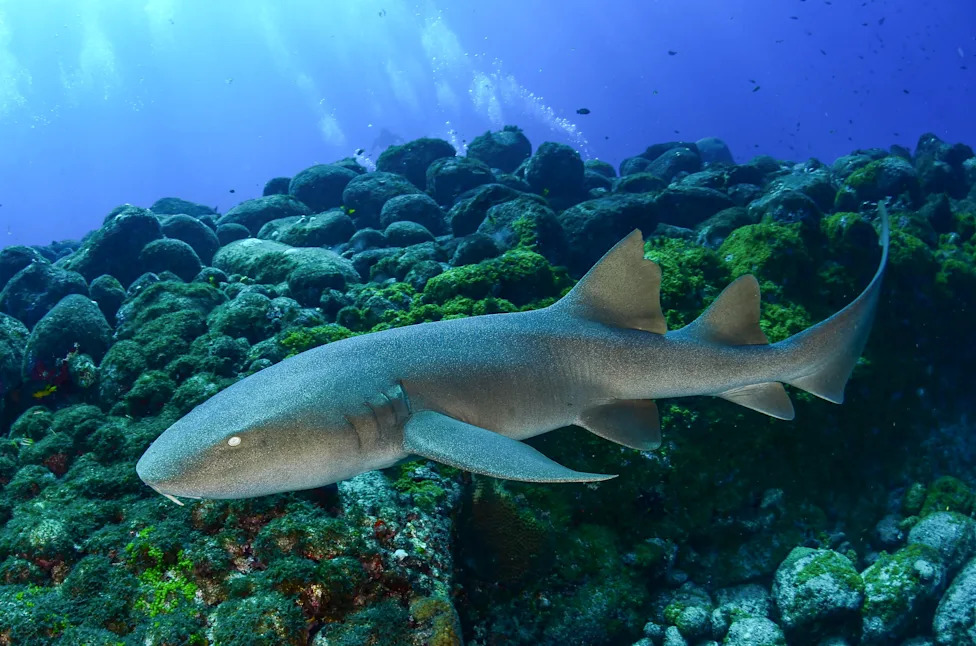
Nurse sharks are sluggish bottom dwellers that sometimes are seen lying motionless on the ocean floor. When they're hungry,they prefer a mealof spiny lobsters, shrimp, crabs, sea urchins and octopi.(cabuscaa, Getty Images/iStockphoto)
State Of The Bay
Miami-Dade County’s annual Biscayne Bay Report Card, produced by the Department of Environmental Resources Management (DERM), shows only limited overall improvement and continues to rate much of the bay in "poor" or "fair" condition. The county emphasizes the bay’s economic importance—an estimated $64 billion annually from tourism, recreation, real estate and related industries—and warns that persistent pollution threatens both ecology and economy.
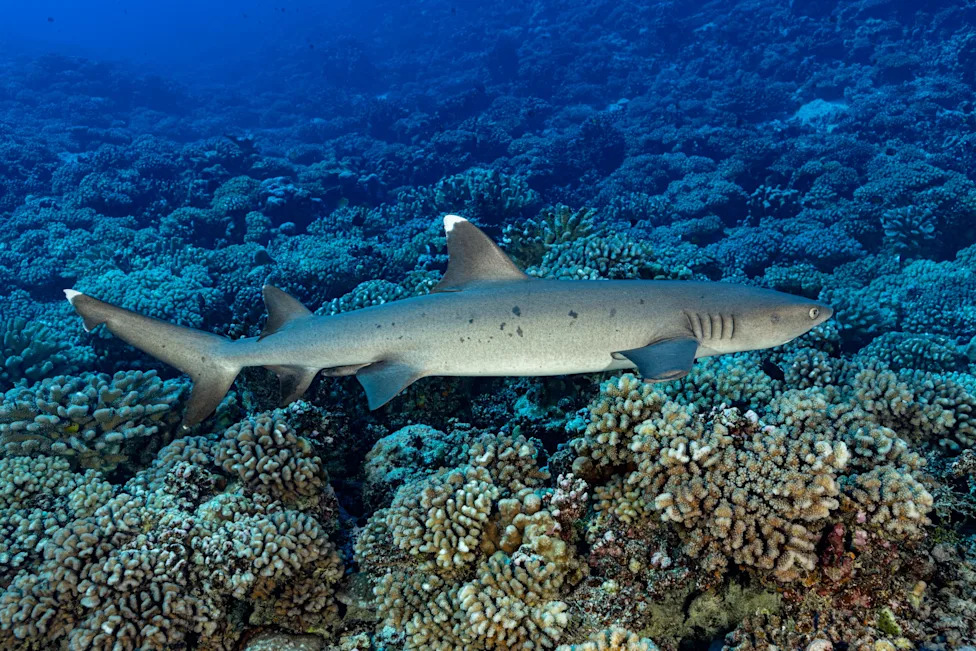
In some areas, whitetip reef sharks are so calm, they can be hand-fed. According to the Florida Museum, ecotourism has taught the typically nocturnal sharks to come to the surface when they hear a boat engine in anticipation of food.(Piero Malaer, Getty Images)
The report uses a stoplight scoring system: "good" regions generally maintain essential ecosystem functions; "fair" regions are degraded but still retain some functioning; and "poor" regions show considerable ecological decline and impaired services.
Key Pollution Sources And Ongoing Actions
Officials identify frequent sources of nutrient and bacteria pollution that harm seagrass, sponges and overall water quality:
- Stormwater and sediment runoff carrying nutrients and contaminants into canals and the Bay
- Uncollected pet waste washed into waterways
- Excessive use of lawn fertilizers during the rainy season
- Trash discarded on streets or directly into canals
- Leaky or poorly maintained septic systems
- Improper disposal of fats, oils and grease from homes and businesses
To address these problems, Miami-Dade is developing a "Reasonable Assurance Plan" to set nutrient targets and reduce pollution inputs. Conservationists and researchers urge sustained, coordinated action to limit nutrient and bacteria loads, restore habitats such as seagrass beds, and protect the bay’s role as a shark nursery.
Voices From The Field
Catherine Macdonald, an associate professor at the University of Miami's Rosenstiel School and the Robert K. Johnson Center for Marine Conservation, led the ISRA nomination. She noted that discussions of Biscayne Bay’s decline are only part of the story: the bay remains an "extraordinarily important habitat for sharks and rays" whose ecological value should factor into future planning.
"Scientists documented an unusually high concentration of juvenile sharks from several species, making Biscayne Bay a rare example of a productive shark nursery adjacent to a major metropolitan area," the university said in its release.
Protecting Biscayne Bay will require both policy decisions guided by science and everyday actions by residents—reducing fertilizer use, securing pet waste, proper disposal of household grease, and supporting stormwater infrastructure improvements.
Help us improve.