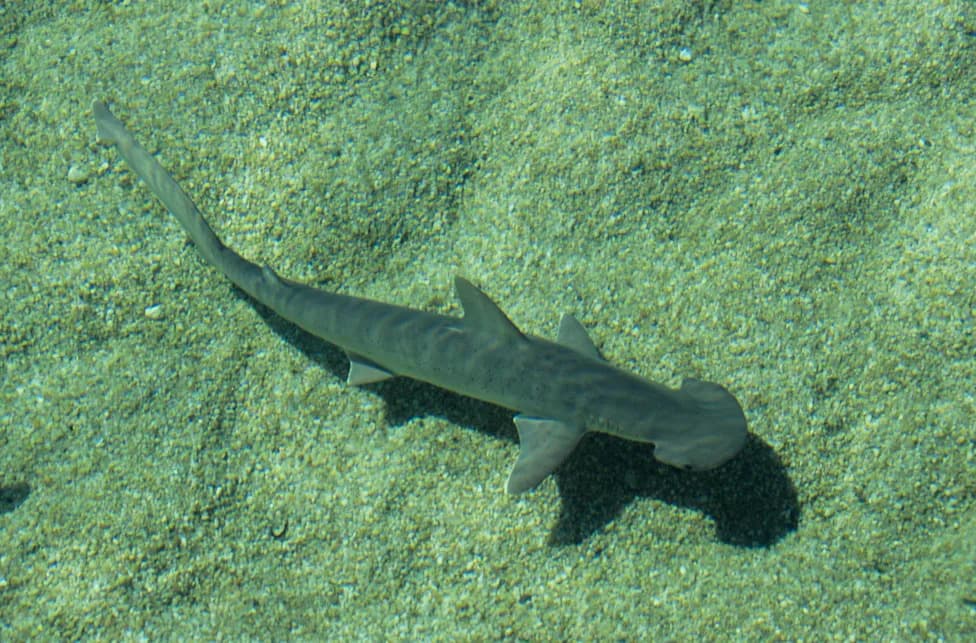
Biscayne Bay, adjacent to Miami, is now recognized as the only documented U.S. east coast nursery for the Critically Endangered great hammerhead. A decade of surveys found nine shark species and one ray using the bay to reproduce; dietary analysis of 62 hammerheads shows pups feed mainly inside the bay, with roughly 75% of bites coming from bay prey (especially rays). Juveniles have a narrow diet and grow rapidly, making them vulnerable to seagrass loss and urban impacts, so local conservation choices will be crucial to protect this shallow 'super nursery'.
Biscayne Bay Identified As First East Coast Nursery For Critically Endangered Great Hammerheads — A Shallow 'Super Nursery' Beside Miami
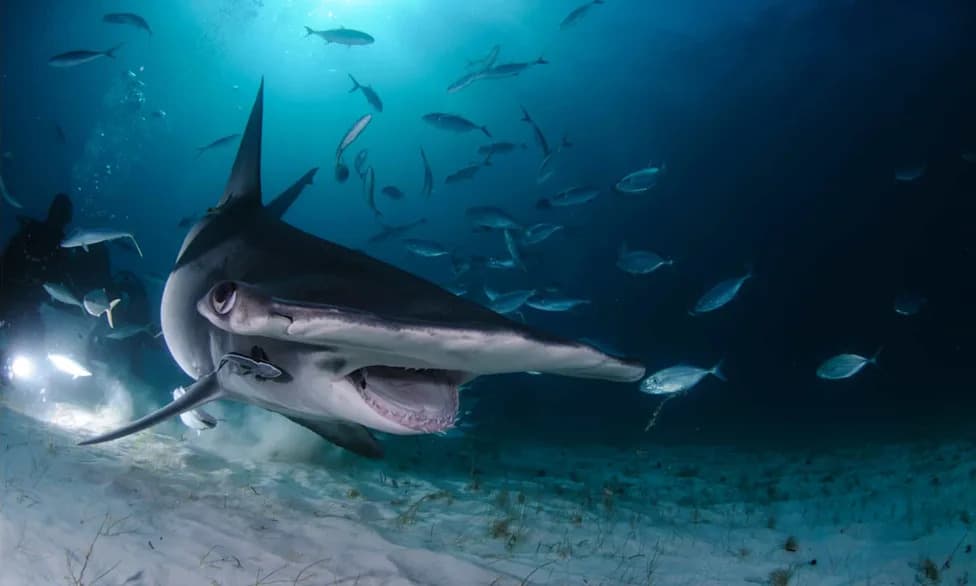
Great Hammerhead Shark Swimming among Divers with Open Mouth in Bahamas.© Martin Voeller/Shutterstock.com
Just off the southwest tip of Key Biscayne, in waters averaging roughly two meters deep, juvenile great hammerhead sharks are growing up in one of the most unexpected places: a shallow urban estuary directly adjacent to metropolitan Miami. The great hammerhead (Sphyrna mokarran) is the largest hammerhead species and is listed as Critically Endangered.
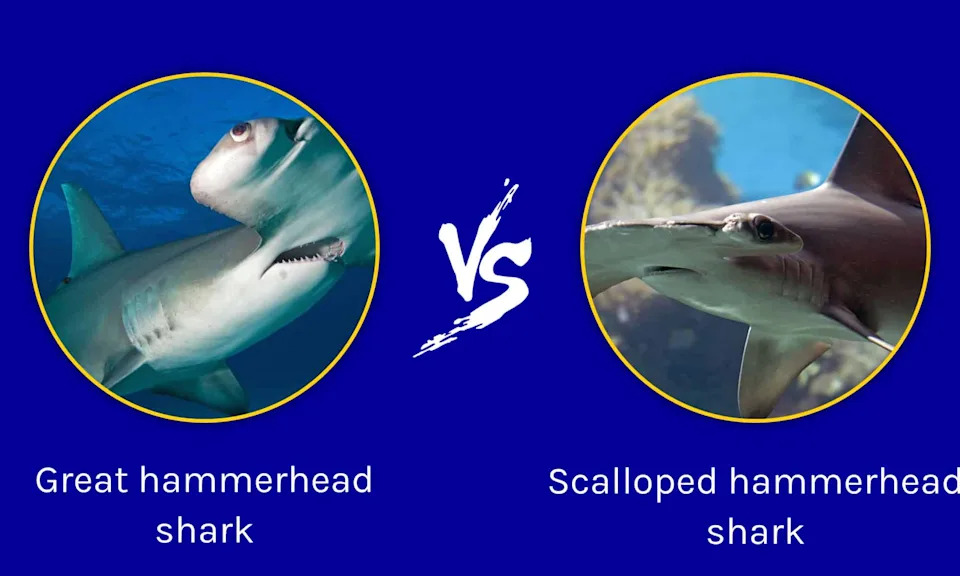
Scalloped Hammerhead Shark vs Great Hammerhead Shark
Shallow, Busy — And Biologically Important
Biscayne Bay stretches about 55 kilometers long and roughly 13 kilometers at its widest point, with an average depth of approximately two meters. A tall adult could stand in much of it and still have their head above water; yet this shallow bay now stands out as the only documented great hammerhead nursery on the entire U.S. east coast.
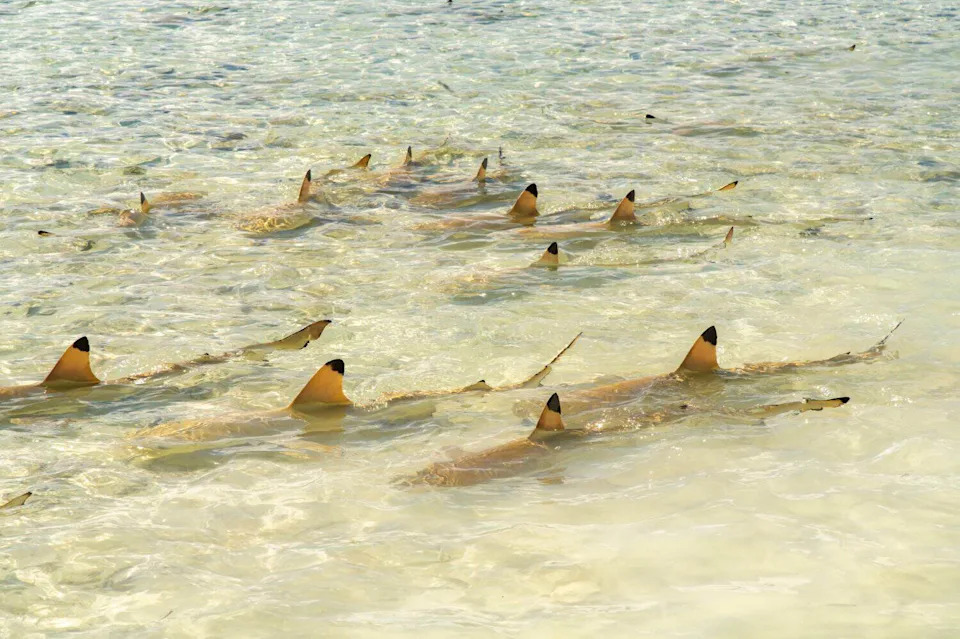
How a Nuclear Power Plant and Local Action Created the World's Unlikeliest Shark Nursery©Danita Delimont/Shutterstock.com
What The Surveys Revealed
Researchers have surveyed Biscayne Bay since 2016, spending more than 80 days a year on the water in the busiest seasons. Their decade of records shows an unusually diverse reproductive congregation: nine shark species and one ray species use the area to reproduce. Atlantic nurse sharks were the most commonly recorded, with 853 individuals documented. Great hammerheads were recorded 103 times over eight years, including just 24 juveniles under three years old — roughly three pups recorded per year.
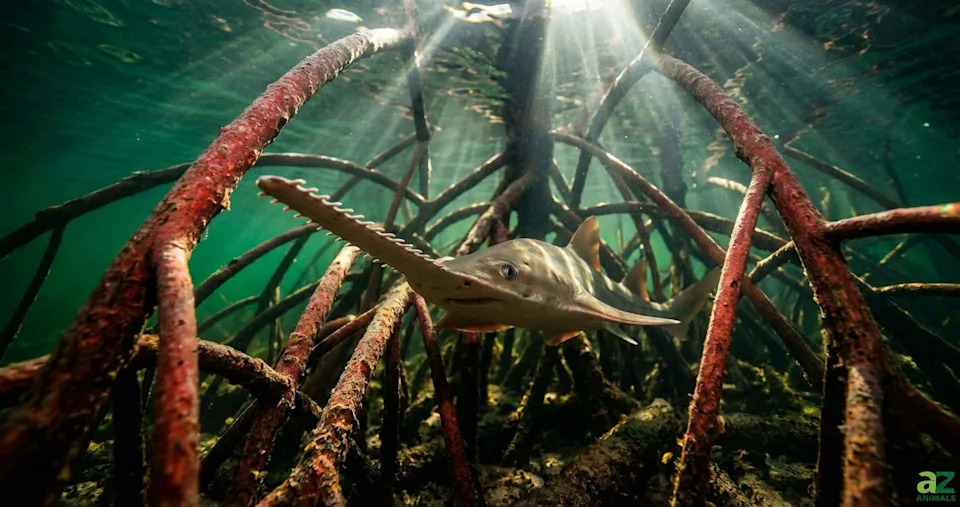
One of the World's Rarest Fish Is Making a Comeback in a Historic Florida River©A-Z Animals
Dietary Study Pinpoints Nursery Role
A study led by John F. Hlavin and Catherine C. Macdonald (Ecology and Evolution, 2025) used chemical traces in muscle tissue to reconstruct diets for 62 great hammerheads sampled in Biscayne Bay and nearby coastal waters. Of 34 juveniles in the dataset, 23 originated from the shallow nursery area off southwest Key Biscayne; no fully grown adults were recorded there, highlighting the site's role as a nursery rather than adult habitat.
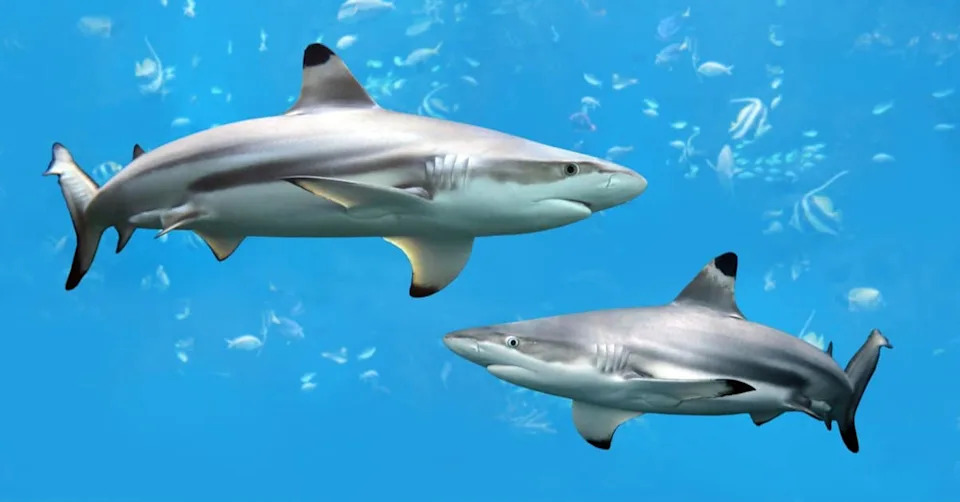
Male vs. Female Sharks: 5 Key Differences©Gino Santa Maria/Shutterstock.com
Key dietary findings: The smallest pups fed overwhelmingly inside the bay, with roughly 75% of their bites coming from bay prey — particularly rays. By about 125 cm in length (≈ two years old) the bay's share of their diet falls to about one in three bites as sharks shift toward open-coast fish. Juvenile diet breadth was narrow: about one-quarter that of older sharks.
Why This Matters
Young hammerheads grow rapidly — around half a meter per year in early life — and they do so on a limited, specialized menu. That makes them vulnerable to local declines in prey or habitat. Biscayne Bay’s mangroves, seagrass beds, mud flats and small reefs have experienced losses from coastal development, overfishing, water-quality changes, and seagrass and coral die-offs. Prior work has linked urbanized bay conditions to poorer juvenile shark diets, and the authors suggest seagrass loss is worsening the problem.
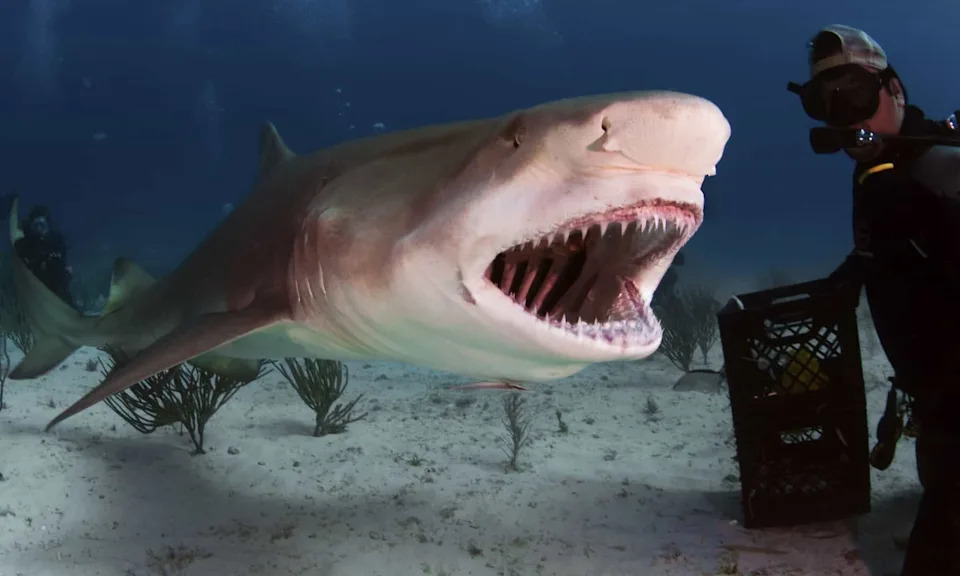
15 Sharks in (and Near) Miami Beach©Greg Amptman/Shutterstock.com
Conservation Implications
The bay has now been designated an Important Shark And Ray Area, reflecting the decade of survey data and the nursery identification. There are some encouraging signs that Western Atlantic great hammerhead numbers may be stabilizing or beginning to increase, and much of this population’s core habitat lies in Florida state waters — so local and state decisions carry significant weight.
Researchers caution that protecting nurseries is necessary but not sufficient: conservation must also address the threats sharks face after they leave shallow nursery waters. Designations and labels help focus attention and resources, but they do not automatically restore seagrass beds or protect juveniles as they move into open water.
What Comes Next
Biscayne Bay’s official designation, the decade of survey records, and the dietary study together paint a clear picture: this small, shallow patch of water beside a major city plays an outsized role for one of the ocean’s rarest large predators. Whether it remains a functioning nursery depends on management choices — from seagrass restoration to water-quality measures and protections that consider sharks beyond the nursery.
Authors and Sources: Findings summarized from Hlavin & Macdonald (2025) and earlier 2021 work by Macdonald and colleagues; survey data from Biscayne Bay monitoring programs (2016–2024).
Help us improve.