The incoming U.N. secretary-general will take office on Jan. 1 facing urgent tasks: restore the U.N.'s diplomatic influence, stabilize a deep financial shortfall largely tied to unpaid dues, and drive institutional reform to better reflect the 21st century. Antonio Guterres urged action on war, inequality, climate and AI governance, while leaders demanded Security Council reform and greater representation for regions such as Africa. The next chief must balance operational streamlining with an active mediation role amid global fragmentation.
Incoming U.N. Chief Faces Monumental Reform, Funding and Mediation Challenges
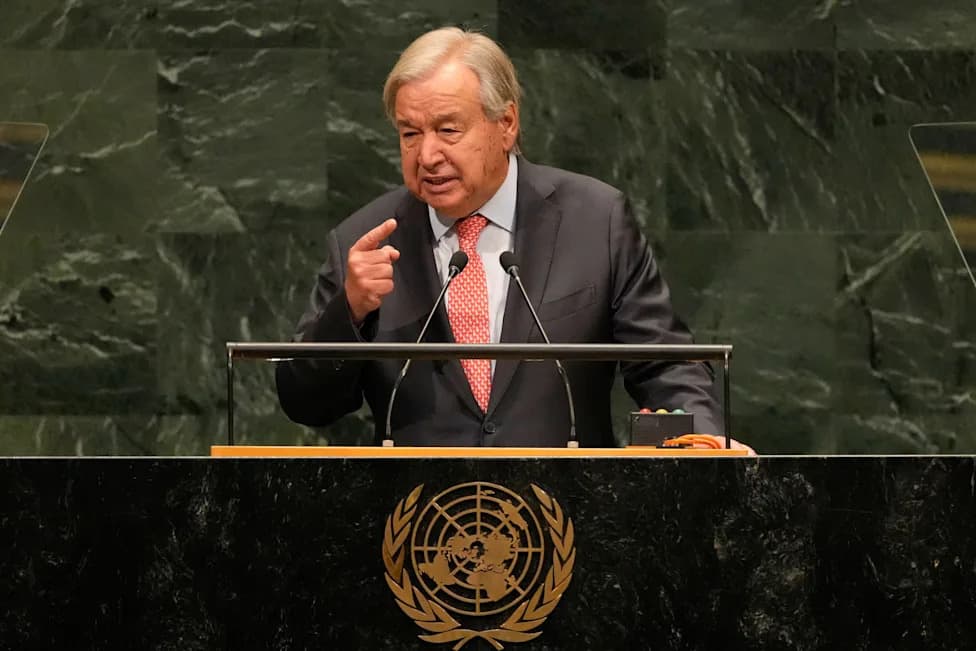
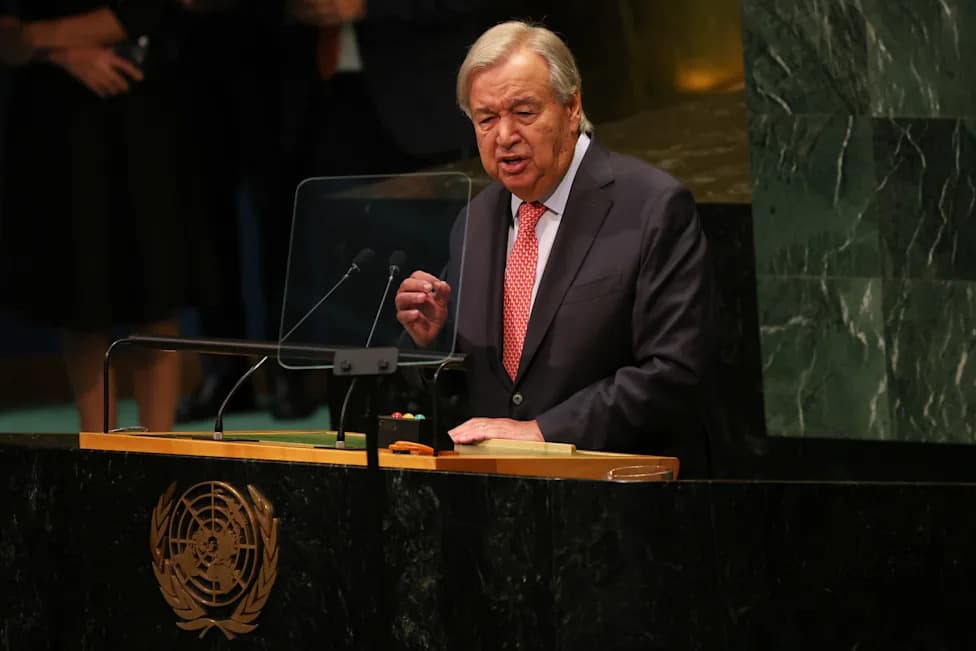
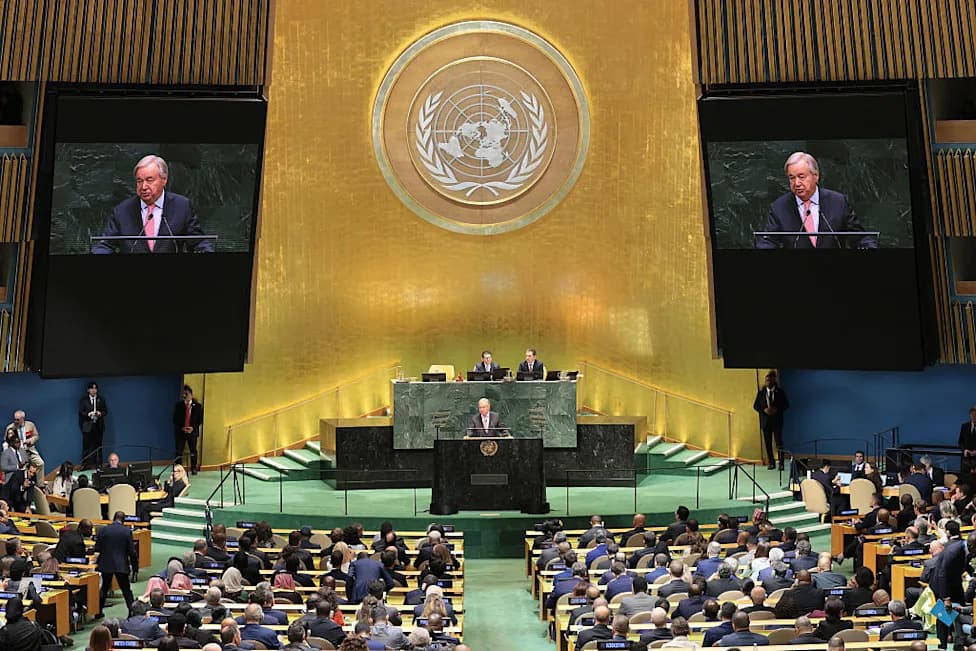
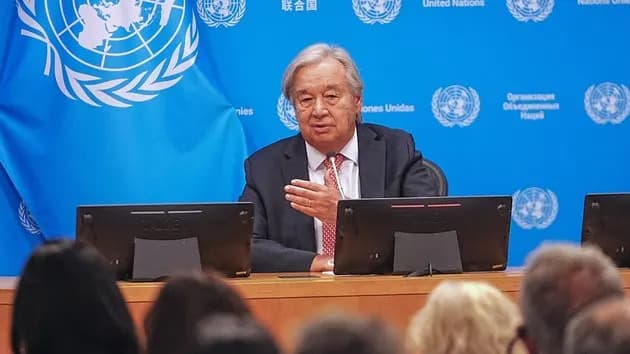
United Nations Secretary-General Antonio Guterres speaks during the 81st session of the United Nations General Assembly at United Nations headquarters, Tuesday, Sept. 22, 2026. (AP Photo/Seth Wenig)(AP Photo/Seth Wenig)
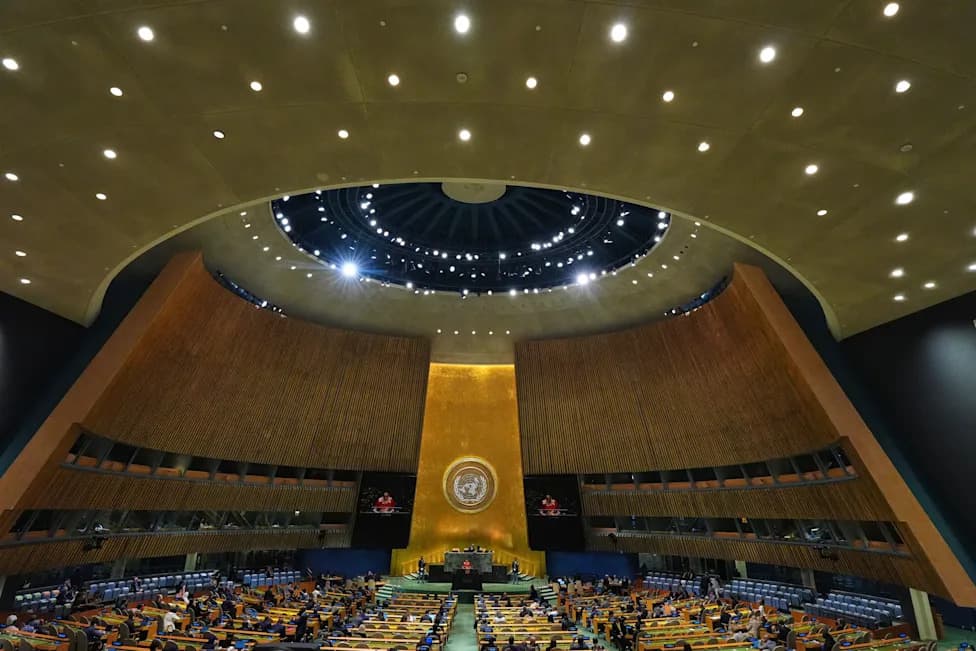
On Jan. 1 the incoming U.N. secretary-general will assume leadership of an 81-year-old United Nations whose structures still reflect the balance of power from World War II. The institution faces a twofold crisis: dwindling influence in high-stakes diplomacy and a severe financial shortfall that has forced cuts to vital humanitarian and development work.
Diplomatic standing under strain. Once central to brokering peace and coordinating global responses, the U.N. has been largely sidelined from top-level efforts to end fighting in Iran, Ukraine and Gaza. Member states and analysts say the organization must reclaim a more active role in mediation while adapting to a more fragmented international order.
Financial pressure and the need to restructure. The U.N.'s precarious budget — driven in part by billions of dollars in unpaid dues, notably by the United States — has prompted program cuts, consolidation of agencies and a review of hundreds of Secretariat mandates that many argue are redundant or ignored. Reformers say the next secretary-general must stabilize finances while streamlining operations to match 21st-century priorities.
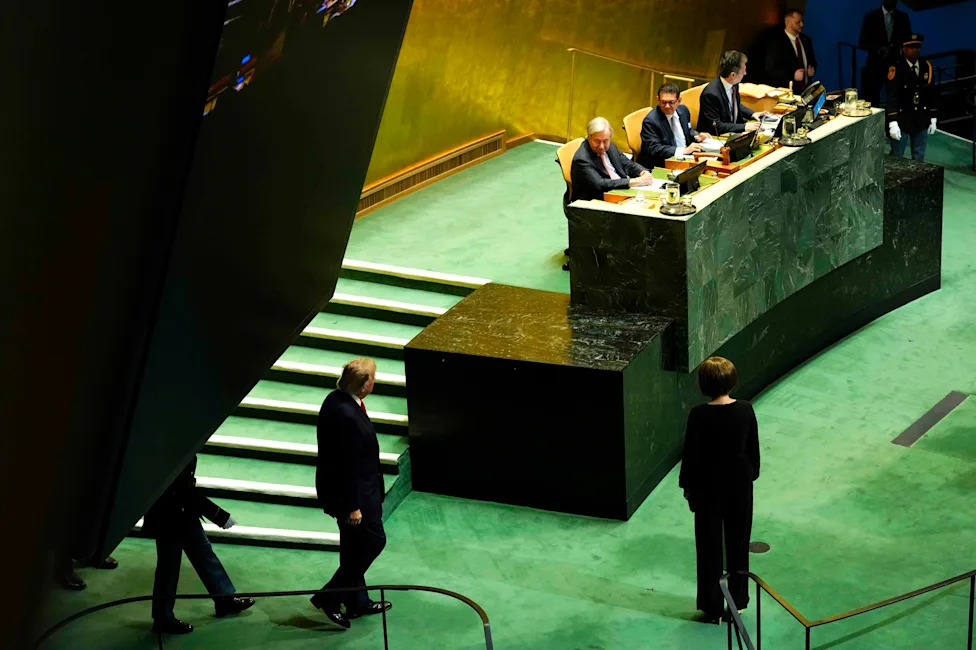
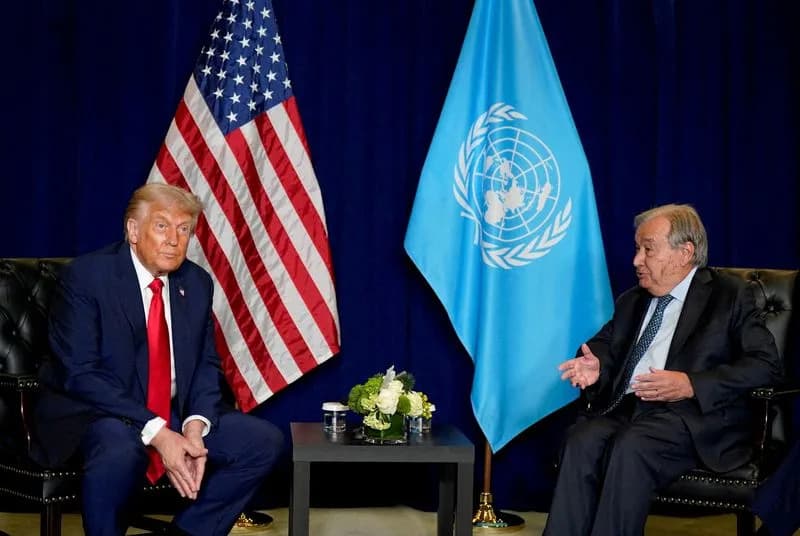
President Donald Trump looks towards Secretary-General of the United Nations António Guterres as he makes his way to speak at the United Nations General Assembly (UNGA) at the UN headquarters on Tuesday, Sept. 22, 2026. (Justin Tang/The Canadian Press via AP)(Justin Tang/The Canadian Press via AP)
Guterres's Parting Challenge
In his farewell to the General Assembly, outgoing Secretary-General Antonio Guterres warned:
"The world does not need a weaker United Nations. It needs a U.N. strong enough to face the world as it is, and determined enough to build the world as it should."
Guterres urged leaders to act on multiple fronts: uphold the rule of law, end long-running wars, confront inequality, accelerate climate action and govern artificial intelligence before it governs humanity.
Reform and the Security Council Standoff
Modernizing the U.N. to reflect the 21st century — rather than the post‑World War II map — is a top priority. Yet reform proposals, especially changes to the Security Council, have long been deadlocked. The council's five permanent members (the United States, Russia, China, Britain and France) retain veto power, a structural reality that constrains bold change.
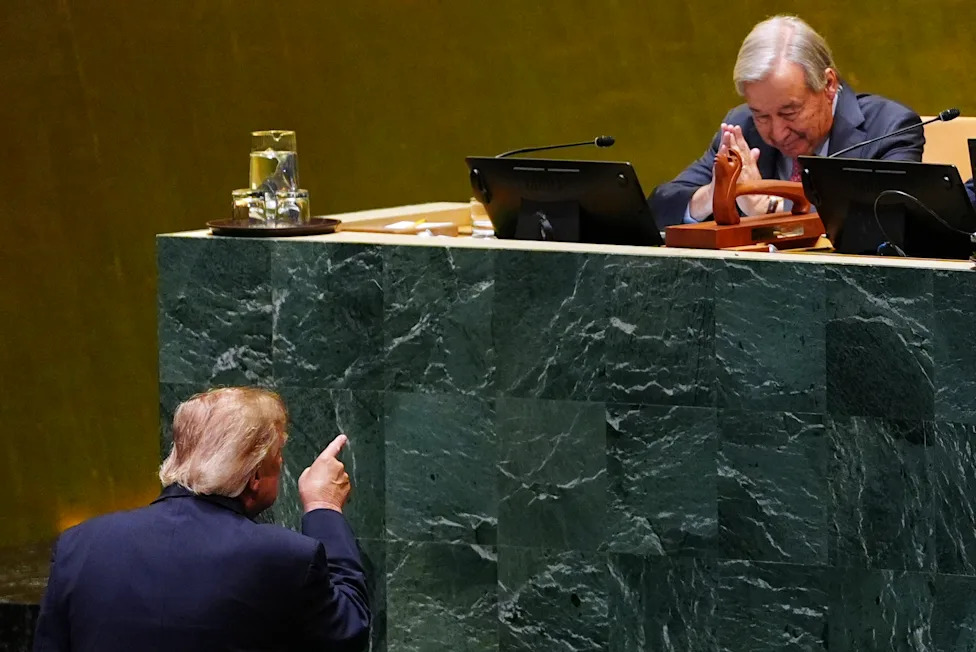
President Donald Trump points toward United Nations Secretary-General Antonio Guterres, after speaking to the United Nations General Assembly, Tuesday, Sept. 22, 2026, at the UN headquarters. (AP Photo/Julia Demaree Nikhinson)(AP Photo/Julia Demaree Nikhinson)
Africa, with about 1.5 billion people, has no permanent seat on the Security Council — a point Ghana's President John Mahama pressed forcefully. "Security Council reform is not a favor to Africa," Mahama told world leaders. "It is an imperative for the legitimacy, credibility, and survival of the United Nations." He warned that growing fragmentation, inequality and declining trust in multilateral institutions risk a dangerous drift toward unilateralism.
The Role of the Next Secretary-General
Experts say the new U.N. chief will need to combine administrative reform with visible diplomatic leadership. Kizito Byenkya, advocacy director at the Open Society Institute, suggested there is intense pressure for the next secretary-general to "act like a general" in mediation — harking back to figures such as Kofi Annan, who played a central negotiating role in several conflicts.
Balancing deep institutional reform, financial stabilization and a more assertive mediation role will be the defining test for the next secretary-general. The selection process is underway, and the person chosen will inherit an organization at a crossroads: vital in many humanitarian and development arenas, but in need of renewal to meet today's geopolitical and technological challenges.
Edith M. Lederer has covered international affairs for The Associated Press for more than a half century.
Help us improve.