The U.N. is preparing to replace António Guterres amid rising conflict, accelerating climate damage, AI risks and a funding squeeze. Seven candidates remain after two withdrawals, including diplomats and former heads of state from Latin America and Africa. The Security Council uses anonymized "straw polls" and the P5’s backing is decisive; no candidate has yet secured consolidated support. Whoever is chosen will inherit a deeply fragmented and challenging global landscape.
Who Will Succeed António Guterres? The Seven Front-Runners to Lead the U.N.
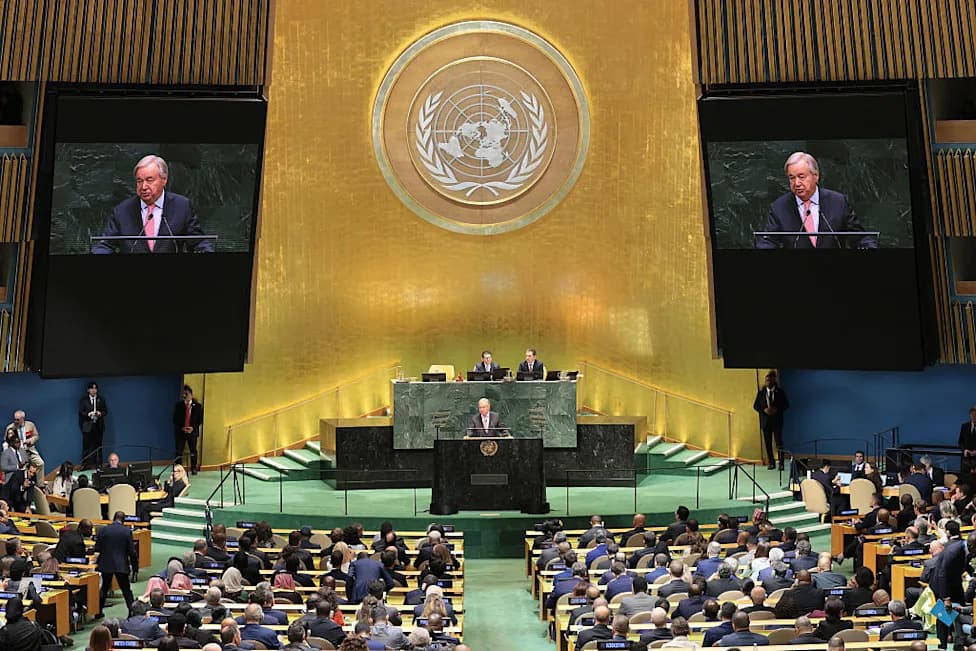
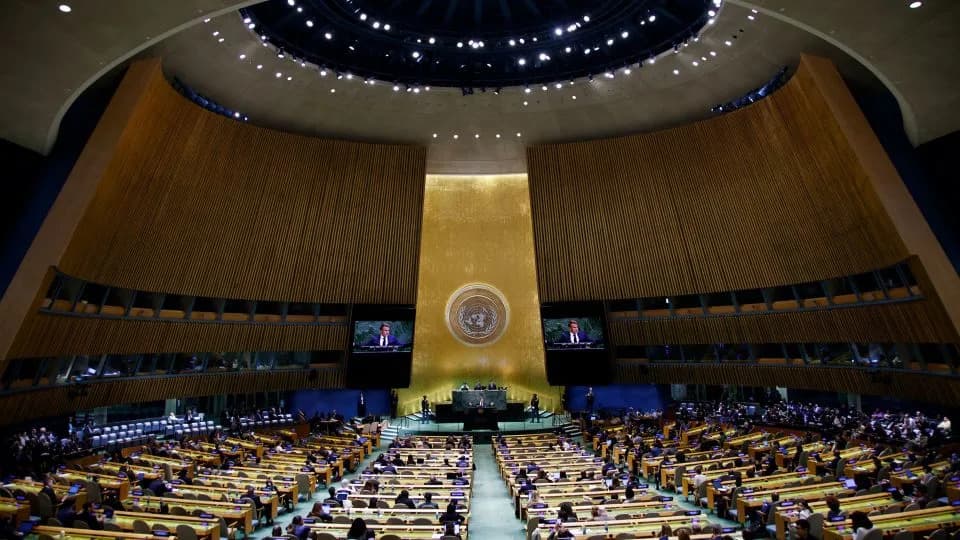
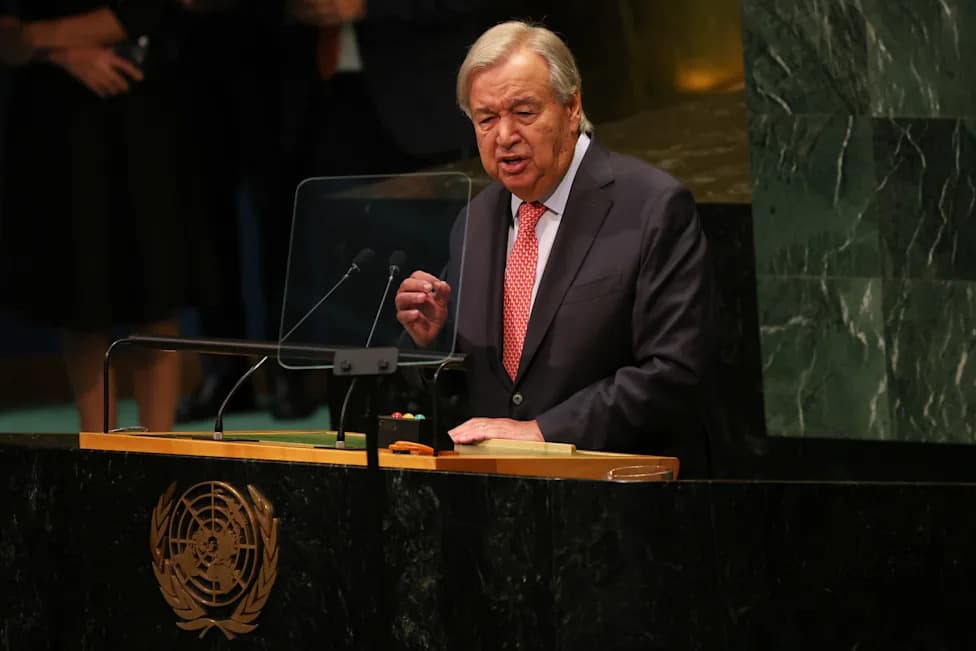
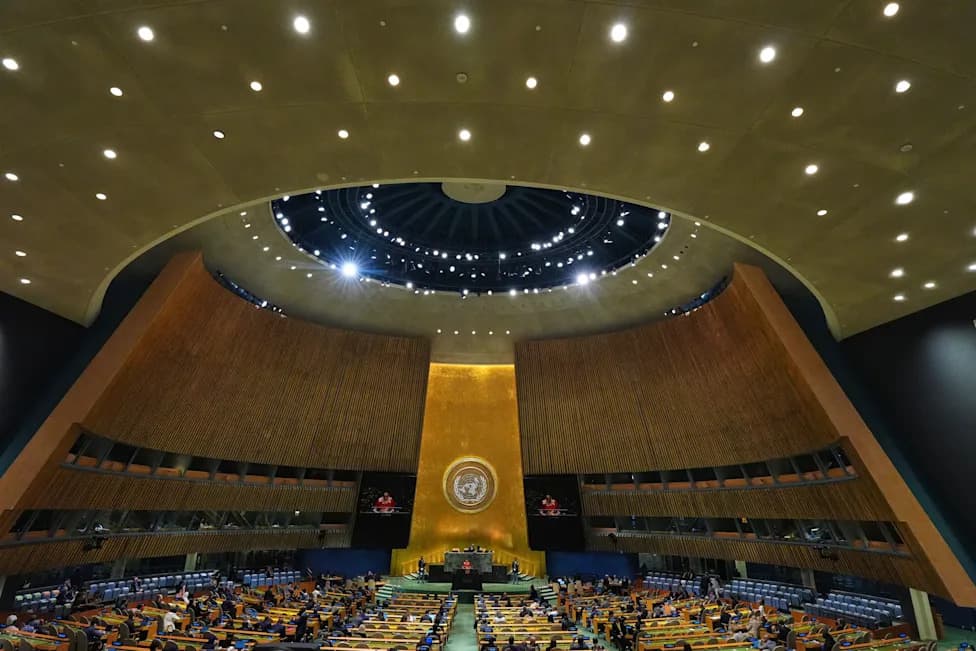
United Nations Secretary-General António Guterres speaks during the 81st session of the United Nations (U.N.) General Assembly at U.N. Headquarters in New York City on September 22, 2026. —Michael M. Santiago—Getty Images
António Guterres will step down after two five-year terms as U.N. Secretary‑General, and the race to replace him is unfolding against a volatile global backdrop: rising armed conflicts, mounting climate impacts, rapid advances in artificial intelligence, and mounting budget pressures at the United Nations.
The Context
This week Guterres delivered his final address to the U.N. General Assembly, urging stronger action on climate change, a renewed push for a two‑state solution for Israel and Palestine, "de‑escalation and dialogue" in the Middle East, and internationally agreed rules for artificial intelligence. He closed by promising to continue advocating for peace after his term ends on January 1.
How the Selection Works
The formal process opened in November when the presidents of the U.N. General Assembly and Security Council invited nominations from member states, explicitly urging greater consideration of women candidates. Member states submit an application with a personal vision statement, résumé and campaign finance disclosures. Candidates take part in televised "interactive dialogues" with the General Assembly.
Ultimately the U.N. Security Council — a 15‑member body that includes five permanent members (the P5) with veto power — recommends a single candidate to the General Assembly, which then makes the appointment. During the vetting the Security Council runs anonymized "straw polls" in which members register "encourage," "discourage," or "no opinion expressed" to gauge whether a candidate could secure the nine votes needed for recommendation.
The Contenders
Nine individuals were nominated initially; two have withdrawn, leaving seven active candidates from across Latin America, Africa and beyond. Below are the front‑runners and the strengths each brings to the campaign:
- Carolyn Rodrigues‑Birkett (Guyana) — Guyana’s permanent representative to the U.N. since 2020, former foreign minister and senior official at the U.N. Food and Agriculture Organization. She emphasizes refocusing the U.N. on its founding principles and making it more agile and effective.
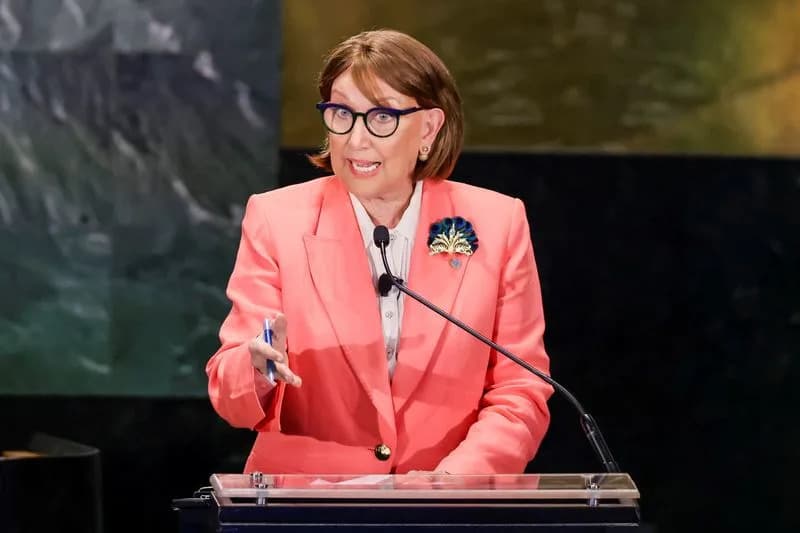
- Rebeca Grynspan (Costa Rica) — Current secretary‑general of UNCTAD and former vice president of Costa Rica. Her platform centers on making the U.N. "more useful, more agile and more accountable."
- Ivonne A‑Baki (nominated by Tonga) — Veteran Ecuadorian diplomat, twice ambassador to the United States with postings including France and Qatar. She highlights conflict‑resolution experience, notably the 1998 Ecuador‑Peru settlement, and frames her bid as one for institutional renewal.
- María Fernanda Espinosa (Antigua and Barbuda) — Former foreign and defense minister of Ecuador and president of the 73rd U.N. General Assembly (2018). Her five pillars include peace and security, development, digital and energy transformation, closing the delivery gap and rebuilding credibility.
- Rafael Mariano Grossi (Argentina) — Director General of the International Atomic Energy Agency since 2019. Grossi stresses a results‑oriented, impartial U.N. that responds to contemporary security and technical challenges.
- Olara Otunnu (Uganda) — Former Ugandan permanent representative to the U.N., brief foreign minister, and former U.N. under‑secretary‑general and special representative for children and armed conflict. He argues that reform is imperative.
- Macky Sall (Senegal) — Former president of Senegal for 12 years and former chair of the African Union. Sall pledges to restore trust in multilateralism and link peace, security and development.
Where the Race Stands
Analysts say the Security Council has not rallied behind a clear consensus favorite. Recent straw polls have shown stronger marks for Rebeca Grynspan and Carolyn Rodrigues‑Birkett but no decisive, consolidated support. Observers warn this could leave space for late entries; names discussed privately include Nickolay Mladenov, U.N. Deputy Secretary‑General Amina Mohammed, and Alicia Bárcena, though no formal new candidacies have been announced.
"The support of the P5 is critical because any of them can veto a candidate," says Daniel Forti, head of U.N. affairs at the International Crisis Group. "Whoever emerges will inherit a fractured global landscape and face immense challenges."
What Comes Next
With just months remaining before the transition, the Security Council will continue straw polls to narrow the field and test P5 tolerance. The General Assembly will hold the final interactive dialogues and then await the Security Council’s recommendation before making the formal appointment.
The next Secretary‑General will take office at a consequential moment for global diplomacy, tasked with steering the U.N. through multiple simultaneous crises — from armed conflicts and climate change to the governance of emerging technologies and deepening budget shortfalls.
Help us improve.