Michelle Bachelet has withdrawn her bid for UN secretary-general after poor results in informal Security Council straw polls. In a social media video, she said she did not regret running and hoped her campaign advanced the case for a woman from Latin America to lead the UN. Rebeca Grynspan and Carolyn Rodrigues-Birkett led recent polls, and seven candidates now remain to replace António Guterres.
Michelle Bachelet Withdraws From UN Secretary-General Race, Citing Limited Momentum
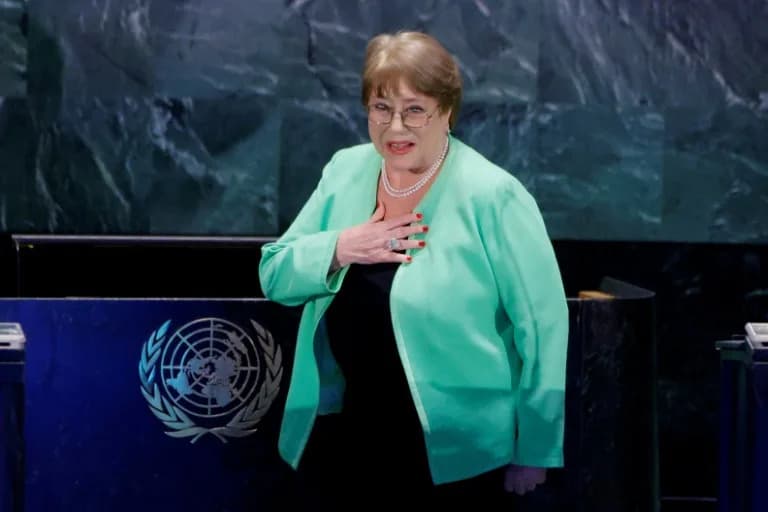
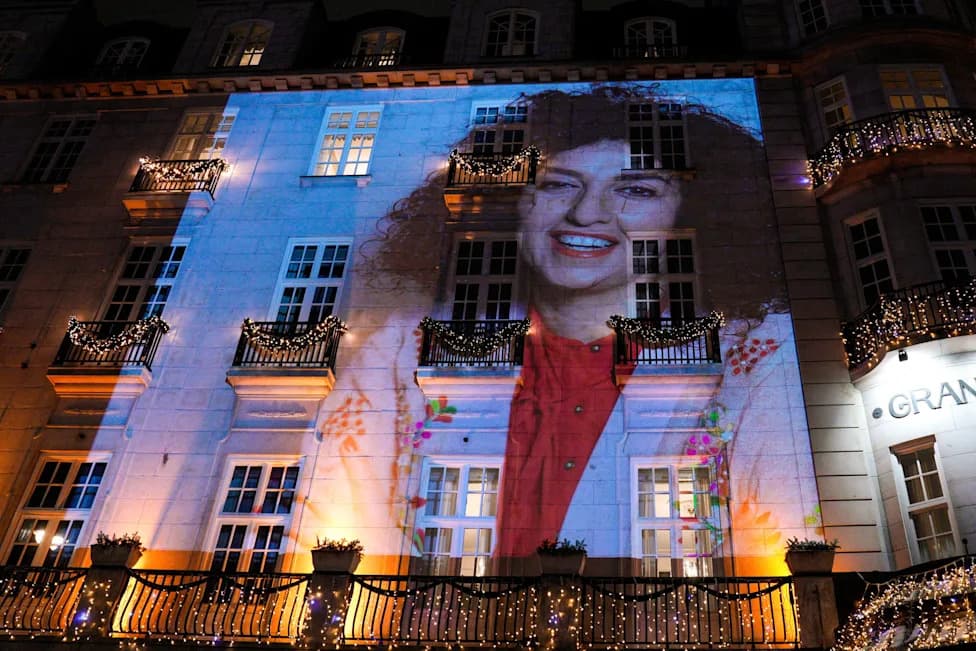
Chile's former president Michelle Bachelet has withdrawn from the race to be the next UN secretary-general (Leonardo MUNOZ)
Michelle Bachelet, the former president of Chile, announced on Saturday that she has ended her campaign to become the next United Nations secretary-general. In a brief video posted to her social media accounts, Bachelet said she would not continue her candidacy but did not regret running.
"Today I announced that I have decided not to continue with my candidacy for the position of secretary-general of the United Nations," Bachelet said. She added that her campaign helped spark an important conversation about the possibility of a woman from Latin America leading the UN.
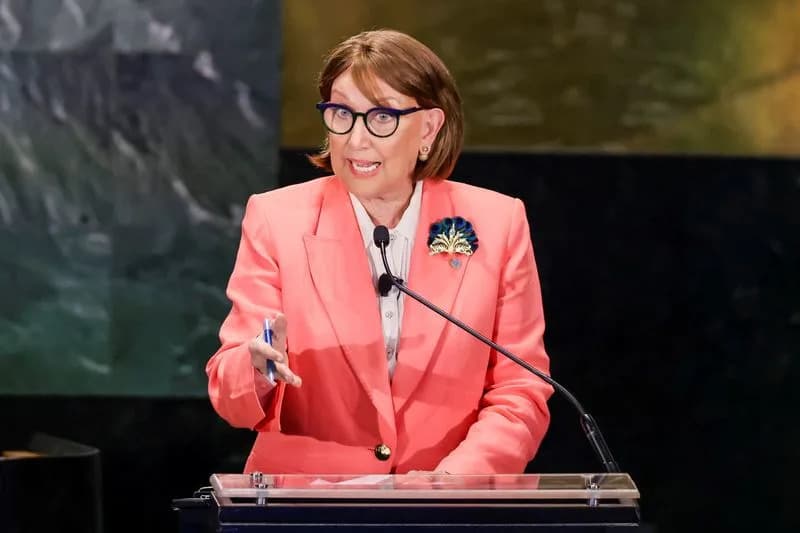
The decision follows a series of informal straw polls held by the 15-member UN Security Council, in which Bachelet placed near the bottom among eight contenders. Costa Rica's former vice president Rebeca Grynspan topped two of the early polls, while Guyana's former foreign minister Carolyn Rodrigues-Birkett led the third.
Bachelet was nominated in February by the administration of then-president Gabriel Boric and initially received backing from left-leaning leaders in Mexico and Brazil. Her campaign subsequently lost momentum after Chile's new president, the far-right José Antonio Kast, withdrew his support.
No woman has ever served as UN secretary-general in the organization's roughly 80-year history, and only one Latin American—Peru's Javier Pérez de Cuéllar (1982–1991)—has held the post. By long-standing but informal custom, the UN's top job tends to rotate among geographic regions, and this selection cycle has been considered Latin America's turn.
Bachelet’s withdrawal leaves seven candidates—four women and three men—competing to succeed current UN chief António Guterres, whose second five-year term ends on December 31. The informal straw polls are only one stage in the selection process; the Security Council will ultimately recommend a candidate to the full UN General Assembly for approval.
Context: The informal Security Council straw polls are designed to gauge support among the council's permanent and elected members. Final selection requires broad support in the Security Council and subsequent confirmation by the General Assembly.
Help us improve.