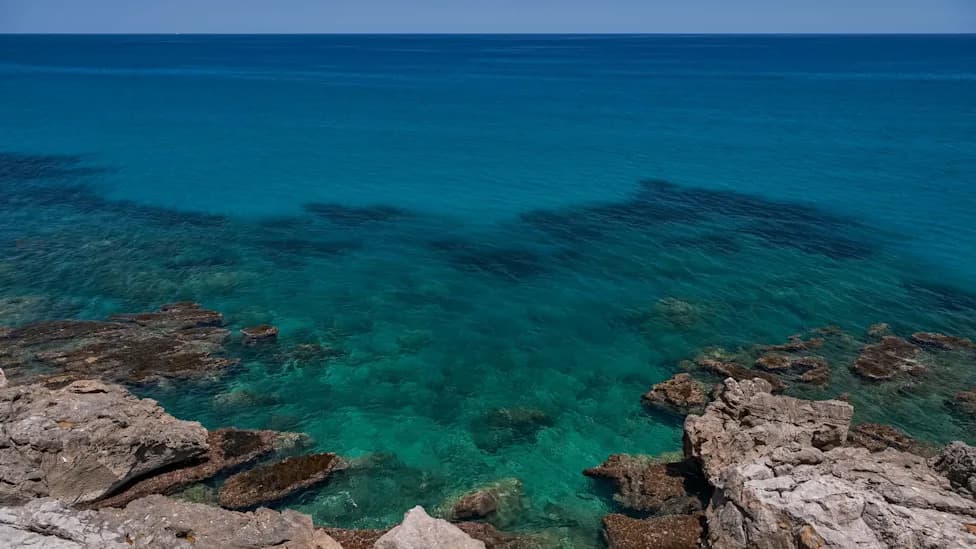
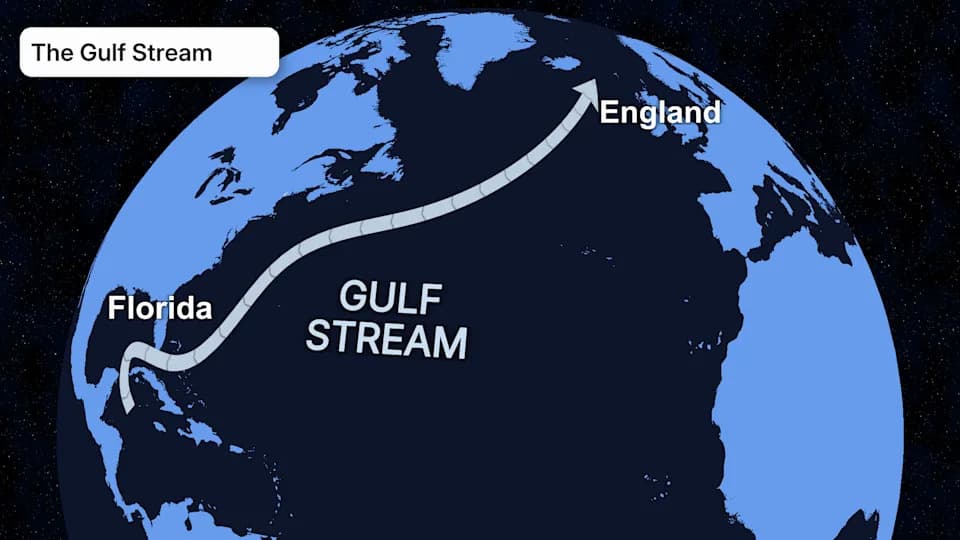
The Mediterranean Sea is experiencing notable range shifts among commercially important fish: a Spanish study found 42 of 102 species moved significantly over the past two decades, often toward the south and southwest rather than north or deeper. This pattern — called meridionalization — reflects the basin’s constrained geography, coastal bathymetry and the pace and direction of warming (climate velocity). Scientists call for adaptive fisheries management, protected marine climate refuges and active inclusion of small-scale fishers to help ecosystems and communities adapt.
Study: Nearly Half of Mediterranean Commercial Fish Have Shifted — Often South and Southwest
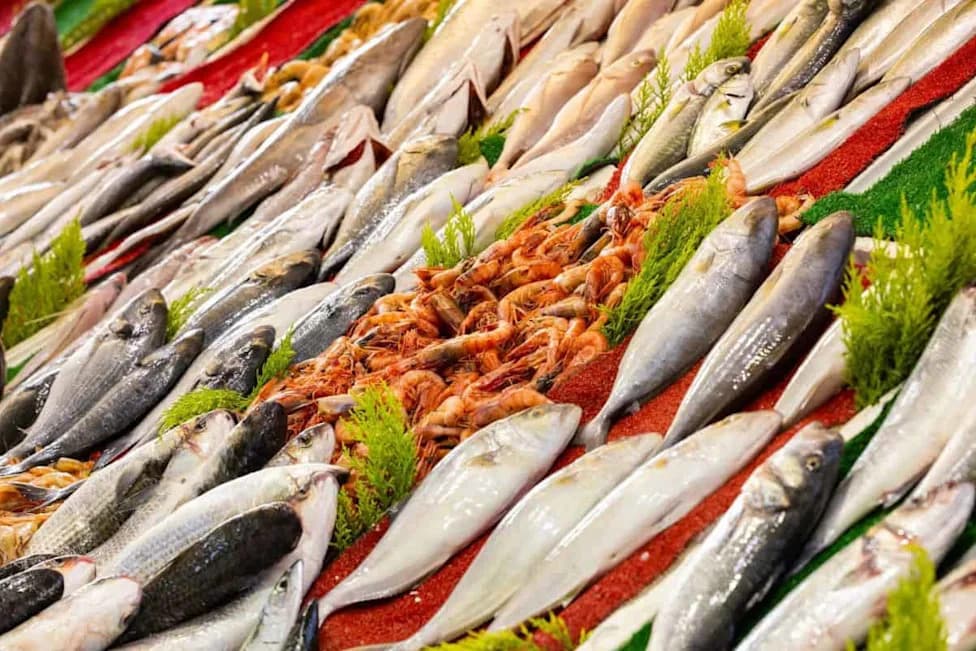
Nearly Half of the Mediterranean's Fished Species Have Moved, Not Always Where Expected© Engin Akyurt/ via Canva.com
Over the past two decades the Mediterranean Sea has seen striking and sometimes unexpected shifts in the ranges of commercially important fish. A recent study along Spain’s eastern coast found that 42 of 102 monitored species changed their distributions significantly, frequently moving toward the south and southwest rather than the typical poleward or deeper trajectories observed in other oceans.
Why the Mediterranean Is Different
The basin’s semi-enclosed geography — connected to the Atlantic only through the Strait of Gibraltar — plus distinctive coastal bathymetry and intense warming, reshape how species can respond to climate change. Moving north can quickly run into continental barriers such as the French coastline near the Gulf of Lion, while heading deeper is not always an available escape: local seafloor profiles and species’ physiology determine whether depth is an option.
©PRESSLAB/Shutterstock.com
Meridionalization and Climate Velocity
Scientists describe the pattern of increasing dominance of warm-water species and retreat of cold-water species as meridionalization. In this study many warm-affinity species expanded southward and westward. Their movements closely tracked climate velocity — the rate and direction that preferred temperatures shift across the seafloor — so fish follow the fastest-moving pockets of suitable conditions.
“In the Mediterranean, warming doesn’t just push species poleward or deeper; geography and local bathymetry bend their routes into unexpected directions.”
Notable Species and Local Patterns
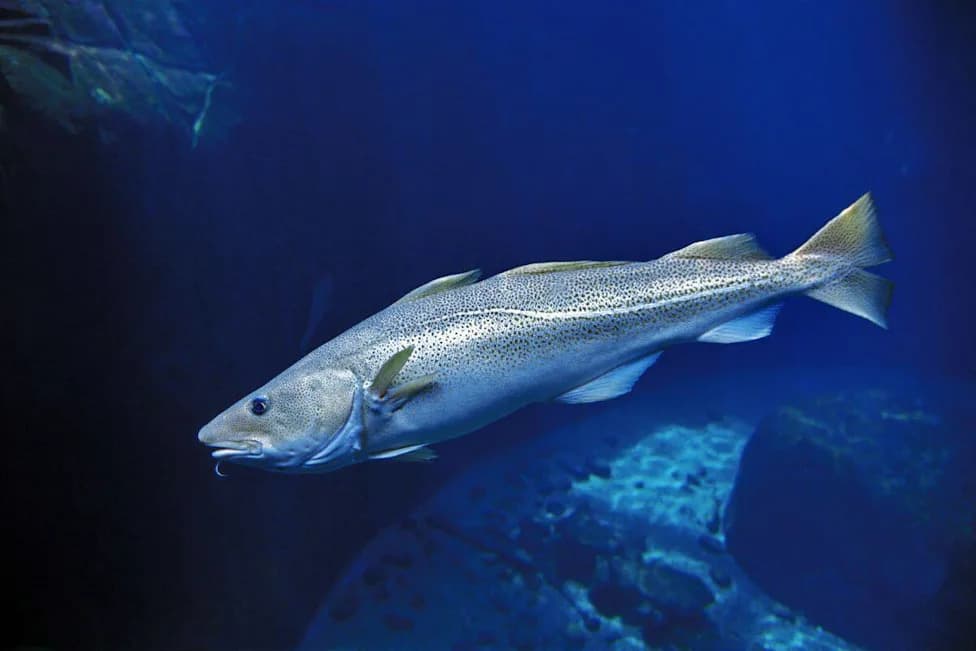
Species such as the four-spot megrim, picarel and the starry ray — all with moderate warm affinities — now appear in greater numbers farther southwest and often in shallower coastal waters. Along certain stretches of Spain’s eastern coast, traveling south actually leads toward shallower seafloor rather than deeper water, redirecting migrations toward the Gulf of Alicante and nearby coasts.

©IgorZh/Shutterstock.com
Ecological and Socioeconomic Implications
Persistent redistributions will reshape biodiversity, alter ecosystem functioning, and shift the availability and location of commercially important stocks. For fishers and coastal communities this translates into changing catch composition, potential economic stress, and an urgent need to adapt management practices.
Recommended Responses
Scientists urge immediate, adaptive action rather than waiting for future impacts. Priority measures include:
- Establishing and protecting marine climate refuges — areas likely to retain suitable conditions for vulnerable species.
- Adapting regional and local fisheries management to shifting stock distributions.
- Integrating small-scale fishers and coastal communities into monitoring and decision-making to combine scientific and local knowledge.
The Mediterranean’s constrained geography, variable warming patterns and long history of human pressures make it a bellwether for how marine ecosystems and fisheries will respond to climate change. Where fish can move — and how societies adapt — will determine the resilience of both nature and people in the years ahead.
Help us improve.