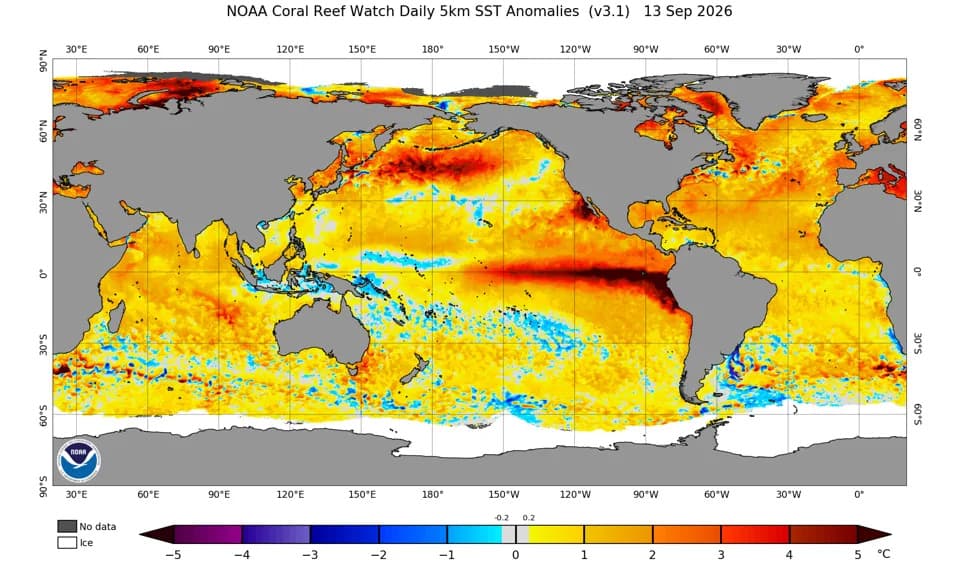
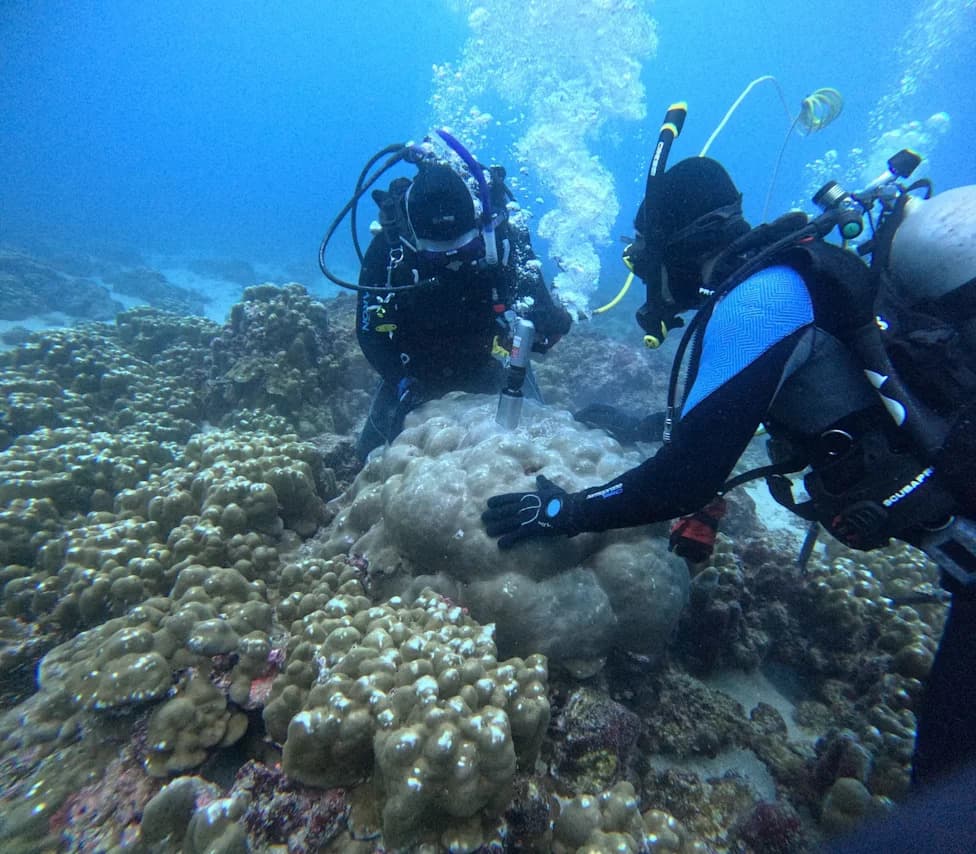
Ocean warming associated with a powerful El Niño is driving tuna, anchovies and other species away from Latin America’s Pacific shorelines, leaving many artisanal fishers with half-empty nets. Sea-surface temperatures reached 21.07°C in August, while waters off Ecuador warmed 2.5–3°C at the surface and up to 6°C at 40m in recent weeks. The shift forces longer trips, higher fuel and ice costs, lost income and market shortages, pushing some fishers to stop fishing or find alternate work.
Super El Niño Empties Nets Along Latin America’s Pacific Coast as Fish Flee Warming Seas
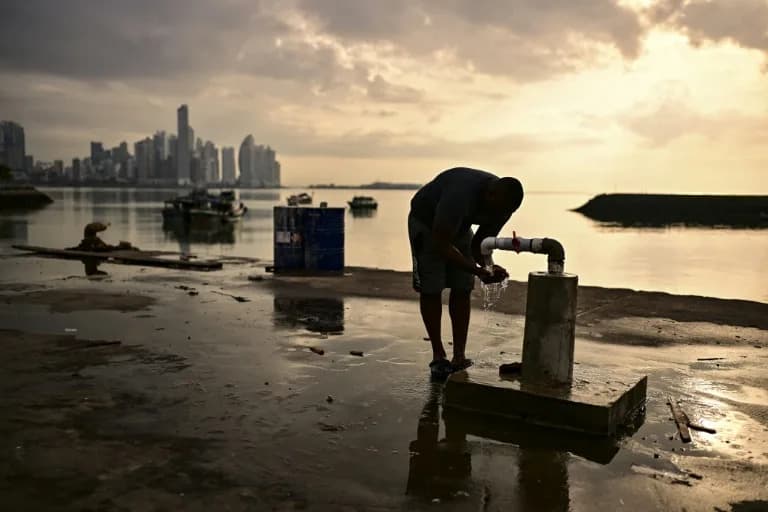
As El Nino warms the Pacific, driving fish further offshore in search of cooler water, catches are meager for fishermen operating out of Panama City (MARTIN BERNETTI)
Fishermen up and down Latin America's Pacific coast are bringing in half-empty nets as ocean warming linked to this year’s “super” El Niño drives tuna, anchovies and other key species into cooler, deeper waters.
What’s happening
From Ecuador and Peru in South America to Panama and Guatemala in Central America, some skippers have stopped venturing out as nearshore stocks thin and sea temperatures run as much as 6°C above normal near the coast. The European Union’s Copernicus climate service reported a global average sea-surface temperature of 21.07°C in August, tying March 2024 as the hottest on record.
Oceanographer Jonathan Cedeno, who led a mission from Guayaquil’s Polytechnic University, said average sea temperatures off Ecuador rose 2.5–3°C at the surface and by up to 6°C at 40 metres in the previous ten weeks.
On the water: personal costs and hardship
“The water is warm,” said Juan Ollague, 56, from Santa Rosa, Ecuador, where hundreds of idle fishing boats sit jammed into the small harbour. After a night at sea he returned with only six small tuna. “We came away empty-handed,” he said.
Many artisanal fishers now travel farther from shore in search of catch, increasing fuel, food and ice expenses. Rigoberto Gonzalez in Panama said a typical trip now costs around $100 in fuel but yields only about $150 in sales, to be shared among crew. Some small-scale fishers have stopped going out or have switched to alternative work such as construction.
Market and community ripple effects
Wholesale vendors report reduced landings and more catch spoiled by heat. A vendor in Panama City said he spends roughly $600 a month on ice alone. In Ecuador, the industry reports that prices for species such as mahi-mahi (dorado) and swordfish have doubled because of tighter supply. Food stalls, fish processors and related services around ports have seen business slow or close temporarily.
Wider implications
El Niño is a natural Pacific cycle that redistributes heat across the ocean and atmosphere; this year’s strong event is amplifying impacts on fisheries, agriculture and water resources across the region. Artisanal fishers, who lack the scale and support of commercial fleets, are among the most vulnerable to immediate income loss. The situation underscores the need for targeted support, improved monitoring and adaptive strategies to help coastal communities cope with rapid ocean changes.
Data & Sources: Observations cited by regional oceanographers and the EU Copernicus climate service; interviews with artisanal fishers and market vendors across Ecuador, Panama, Guatemala and Peru.
Help us improve.