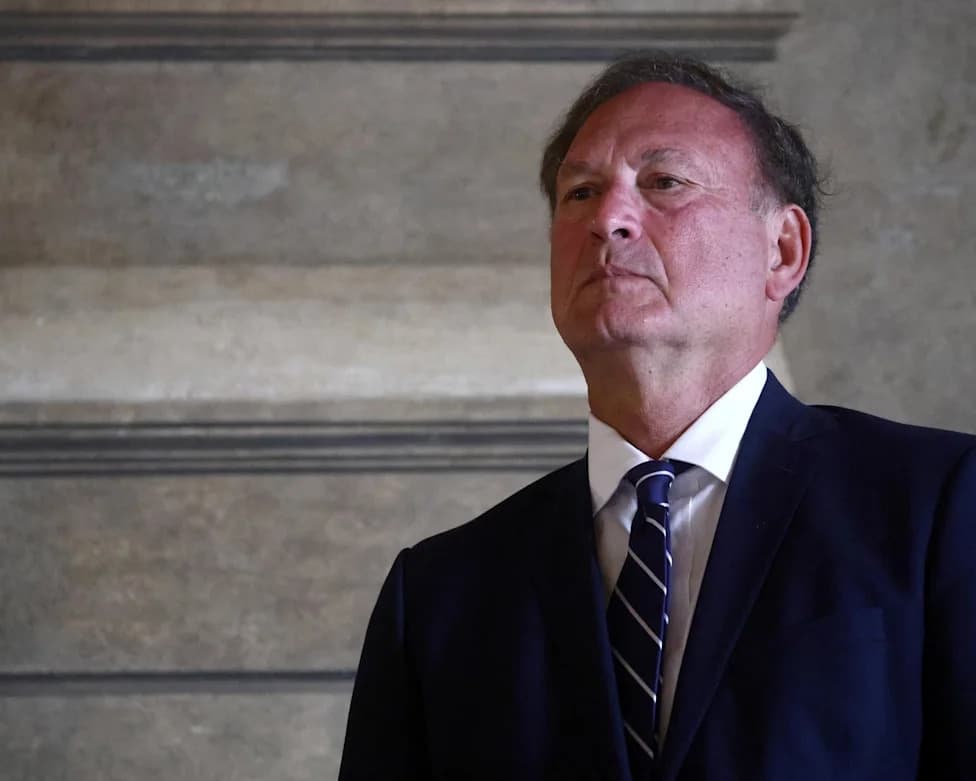
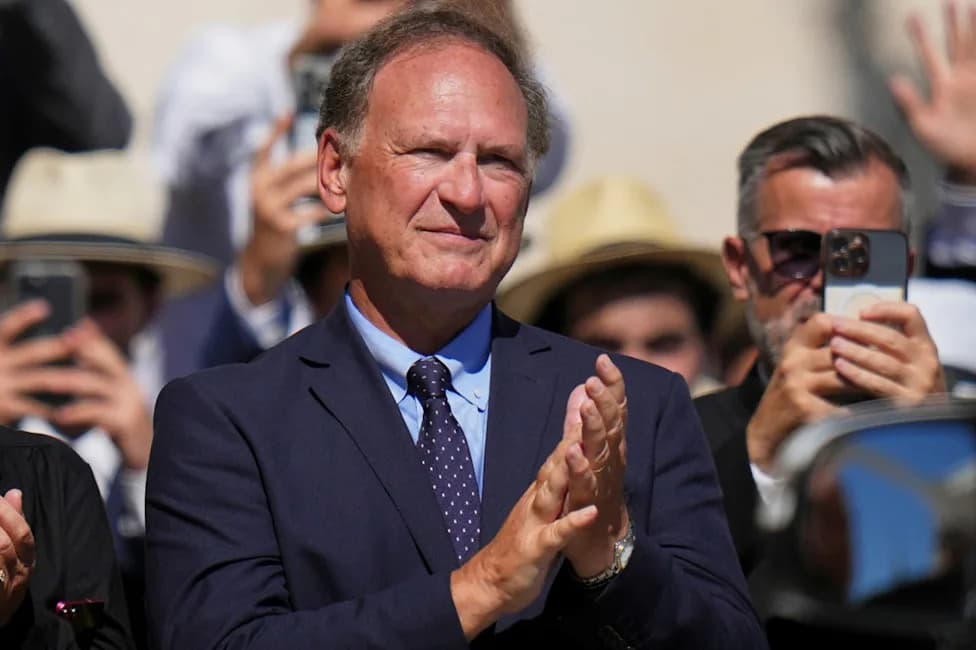
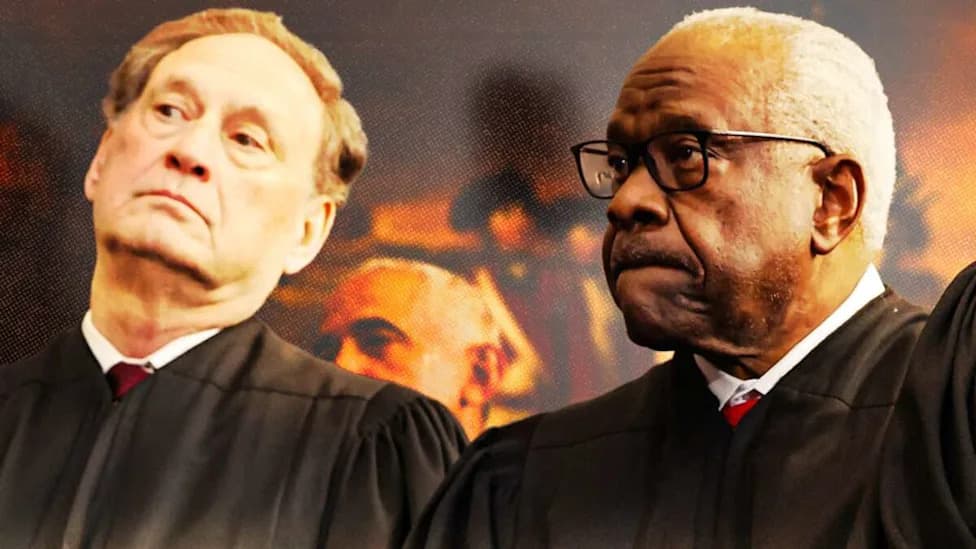
Justice Samuel Alito told Fox News Sunday he believes there is a "concerted effort" to intimidate the Supreme Court and influence its decisions. He defended the Court's handling of emergency filings (the "shadow docket") while acknowledging the institution's history of mistakes and the current low levels of public trust. Alito, 76, said he has considered retirement but offered no timetable.
Alito Warns Of a "Concerted Effort" To Intimidate Supreme Court, Defends Shadow Docket Transparency
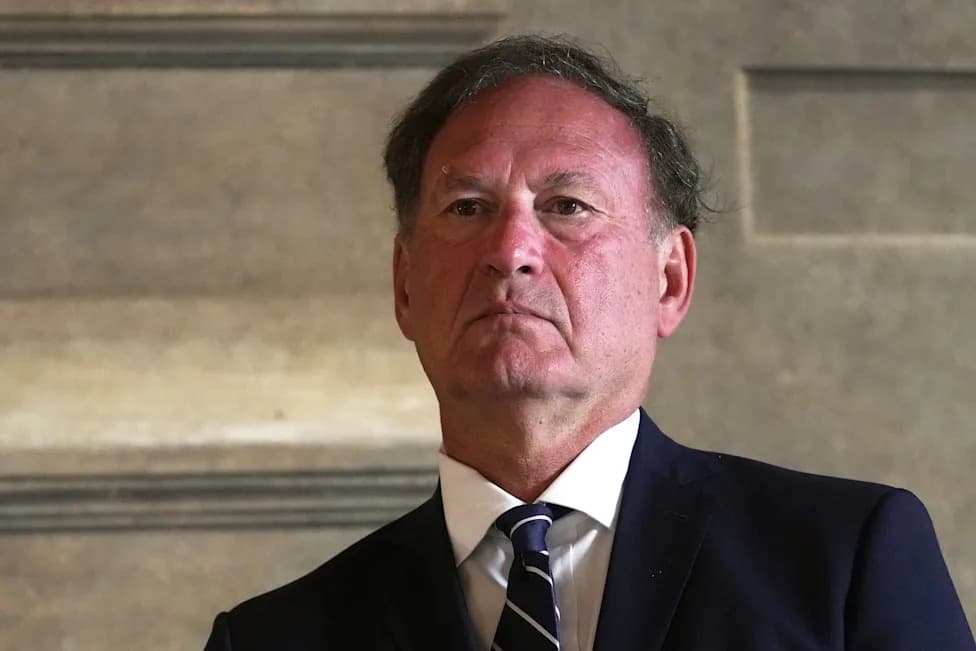
Alito says there is ‘concerted effort’ to intimidate Supreme Court
Supreme Court Justice Samuel Alito told a pre-recorded Fox News Sunday interview that he is worried about a "concerted effort" to intimidate the Court and influence its decisions, and he expressed concern about how sustained criticism could affect the institution's standing.
“There has been a concerted effort to intimidate the court — and justices on the court — to try to influence us to decide cases differently from the way in which we have been deciding them, and I am concerned about the future of the court,” Alito said.
Alito acknowledged the Court has not always been right but argued that, on the whole, it has been fundamental in protecting the constitutional structure and rights Americans enjoy. He defended the Court's handling of emergency applications — the so-called "shadow docket" — saying the justices have disclosed what they can publicly while preserving internal deliberations.
Context And Criticism
Democratic and progressive leaders have pushed for changes to the Court, saying the current 6-3 majority of Republican-appointed justices has enabled executive actions to move forward without full congressional approval. Critics have also raised ethical questions about some justices and faulted the increased use of the emergency docket to issue temporary orders on high-stakes matters, including immigration cases that critics say could allow deportations to countries with no prior ties to the migrants.
Alito framed the debate as part of a larger dynamic in which presidents of both parties, frustrated by legislative gridlock, increasingly rely on unilateral powers — executive orders, rulemaking, and novel statutory interpretations — and the courts, in turn, are asked to decide urgent questions.
Public Trust And Retirement Speculation
Public confidence in the Supreme Court is low: recent polls show just 34% of adults approve of the Court and 46% say they trust the institution. Alito said he and his colleagues try not to let public rhetoric affect their work but admitted concern about long-term reputational damage.
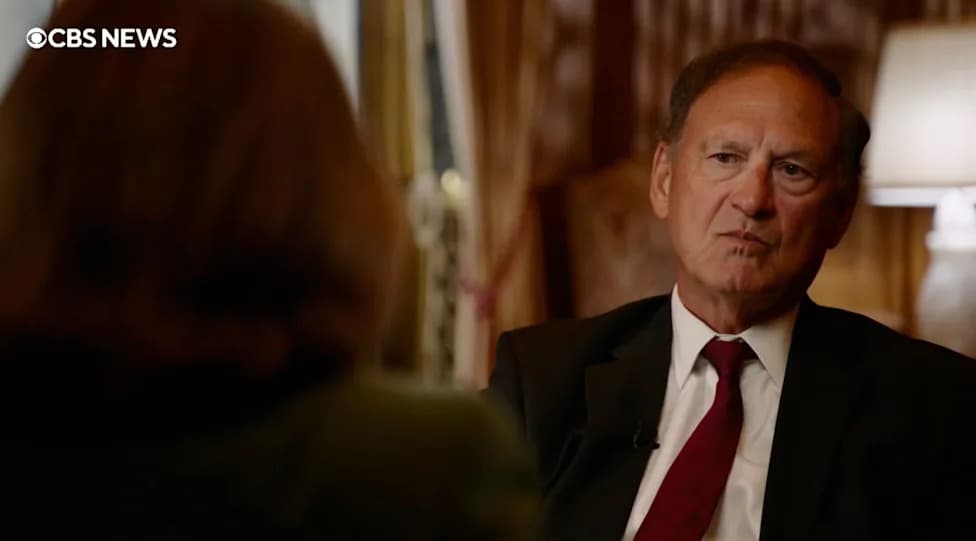
In a separate interview with CBS, set to air Monday, the 76-year-old justice confirmed he has considered retirement. Appointed by President George W. Bush in 2006 to replace Justice Sandra Day O'Connor, Alito said speculation about his departure is to be expected and described the attention as uncomfortable, but he stopped short of giving any timeline.
Bottom line: Alito warns of intimidation efforts targeting the Court, defends its transparency on emergency rulings, and acknowledges both rising public skepticism and personal retirement speculation.
Help us improve.