Residents of Tokyo's Nakano ward are campaigning for an official canopy cover target as the city faces record heat and rising heat-related health impacts. A 2024 University of Tokyo study found central Tokyo's canopy fell from 9.2% in 2013 to 7.3% in 2022, losing roughly 12 sq km. Local activists recorded about a 3°C cooling difference beneath fuller tree canopies versus heavily pruned trees and are urging immediate policy changes to protect public health.
Act Before It's Too Late: Tokyo Residents Demand More Trees As Heatwaves Intensify
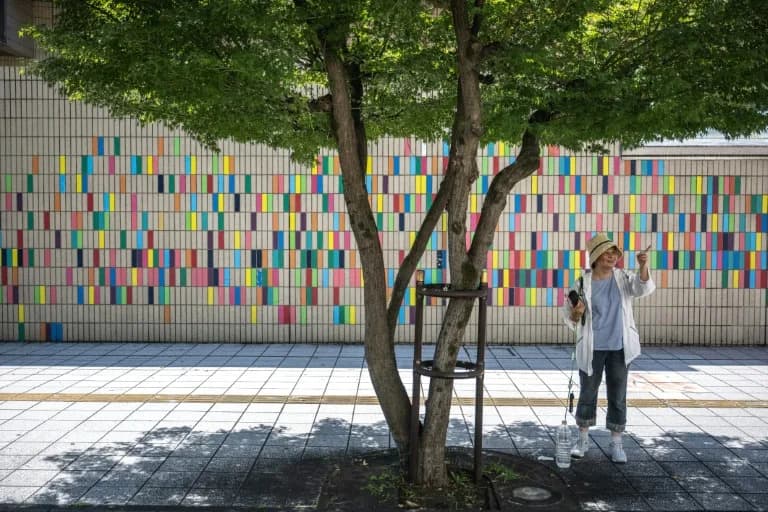
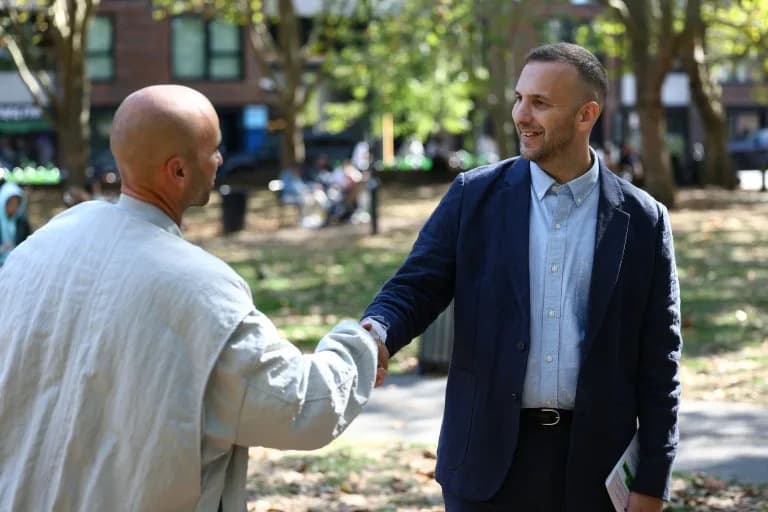
Activist Kaoru Morimoto checks the temperature in Nakano district of Tokyo, part of her campaign to boost the Japanese capital's tree cover to help with extreme heat (Philip FONG)
On an oppressively hot day in Tokyo, resident Kaoru Morimoto worried aloud that she might not be able to endure another summer in her neighbourhood as tree cover—and the cooling shade it provides—continues to shrink.
As Japan experiences more frequent extreme heat, Tokyo has seen its urban canopy decline rather than expand, bucking trends in many other major cities where tree-planting is on the rise. Concerned citizens in Nakano ward have mounted a grassroots campaign calling on local officials to set a formal canopy cover target.
Together with fellow resident Susumu Nirasawa, Morimoto organises expert talks, shares temperature readings on social media and petitions at council meetings. About 30 neighbours have joined the effort, gathering data to demonstrate the local health and comfort benefits of larger tree canopies.
Local Measurements, Real Differences
Armed with thermometers and a notebook, Morimoto and Nirasawa compared shaded spots beneath mature, wide-canopied trees to areas under heavily pruned trees. "We measured the shade under trees with large canopies and under trees that had been more heavily pruned. There was about a three-degree difference," Morimoto said, underscoring the tangible cooling effect of full canopies.
Study Findings and Wider Comparisons
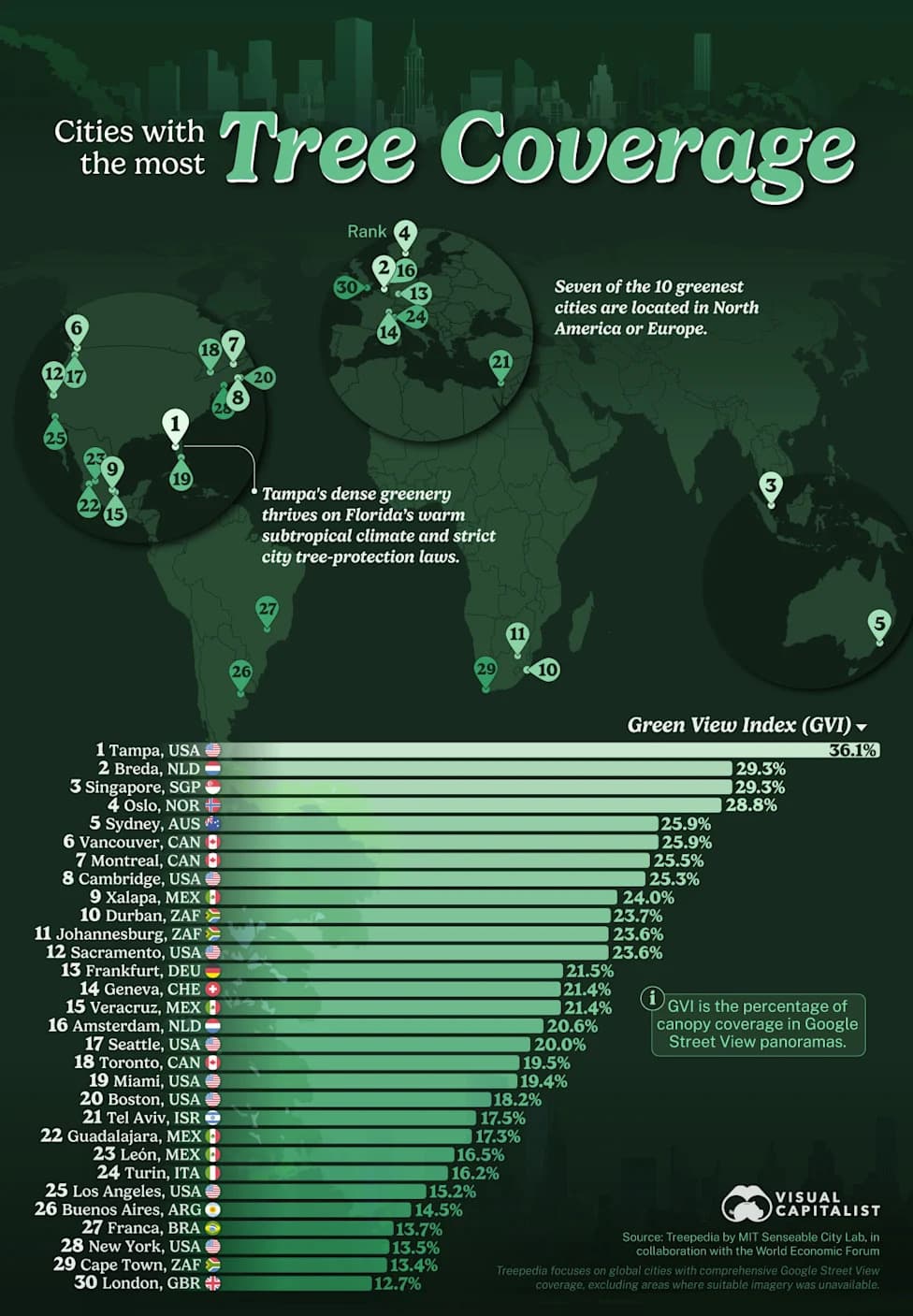
A 2024 University of Tokyo study led by urban-forestry expert Kinya Shiraishi found canopy cover in central Tokyo dropped from 9.2% in 2013 to 7.3% in 2022, a loss of roughly 12 square kilometres—about three and a half times the size of New York City's Central Park. By comparison, New York's canopy is around 23% with a target of 30% by 2040; London aims to raise canopy cover by 10% by 2050 from roughly 20%; and Paris seeks to expand from about 18%.
Japan recorded its hottest summer on record in 2025, and between May and August of this year nearly 120 heat-related deaths were reported, with more than 73,000 people needing emergency care. Experts say expanding tree cover can help lower air temperatures, reduce flood risk and improve well-being, making it a critical tool in urban climate adaptation.
Why Canopy Cover Is Declining
Shiraishi and other experts point to several drivers behind Tokyo's shrinking canopy: the loss of private gardens as ageing landowners sell plots that are then subdivided; narrow streets with limited space for tree growth; overpruning practices intended to manage trees in tight urban spaces; and frequent rotation of municipal staff responsible for greenery, which can interrupt long-term planning.
Municipal caution is also a factor: officials worry about trees obstructing traffic signals or toppling during typhoons. A Tokyo metropolitan government official told AFP the city is focusing on careful pruning and expanding canopies where pavements are wide enough, and that its broader greenery benchmarks include farmland and grassland in outer wards.
"Unless we promptly make efforts to increase canopy cover and shift our policies, we'll run out of time," warned Eijiro Fujii, professor emeritus at Chiba University, as he surveyed heavily pruned trees in Tokyo's central district of Kasumigaseki.
In Nakano, campaigners say the ward mayor has begun stressing the importance of tree shade, but local officials have not yet set a formal canopy target. Activists hope their data and public pressure will spur concrete targets and policies to protect and expand urban trees before another extreme season worsens public-health impacts.
What Residents Want
Morimoto, Nirasawa and neighbours are pushing for: a ward-level canopy cover target; policies limiting unnecessary removal of mature trees during redevelopment; incentives to preserve private gardens; and planting strategies that fit Tokyo's narrow streets without compromising safety.
With heat-related illnesses increasing, residents and experts say time is short to scale up urban tree cover as a practical, proven measure to cool cities and protect public health.
Help us improve.