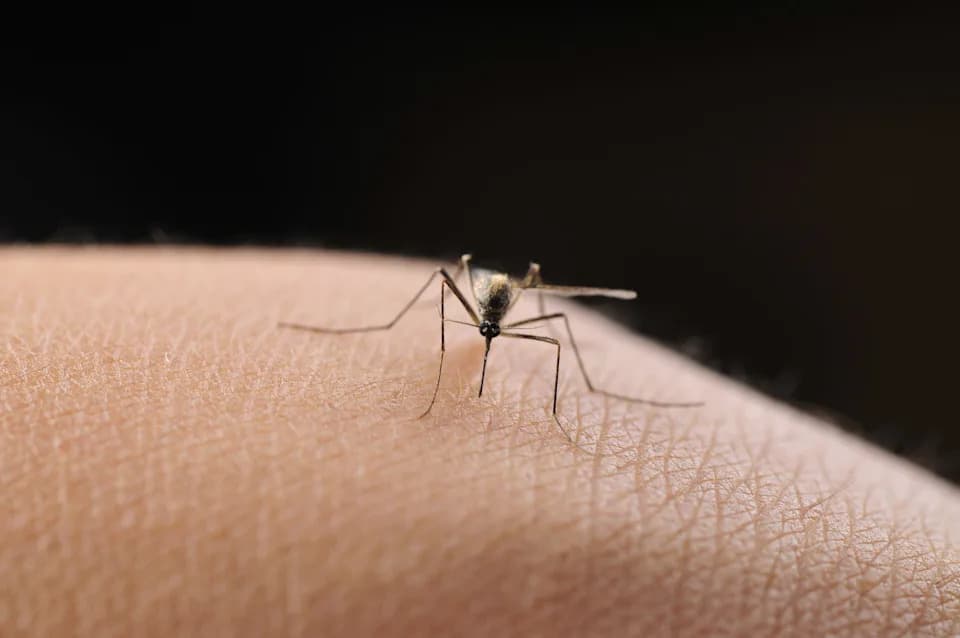
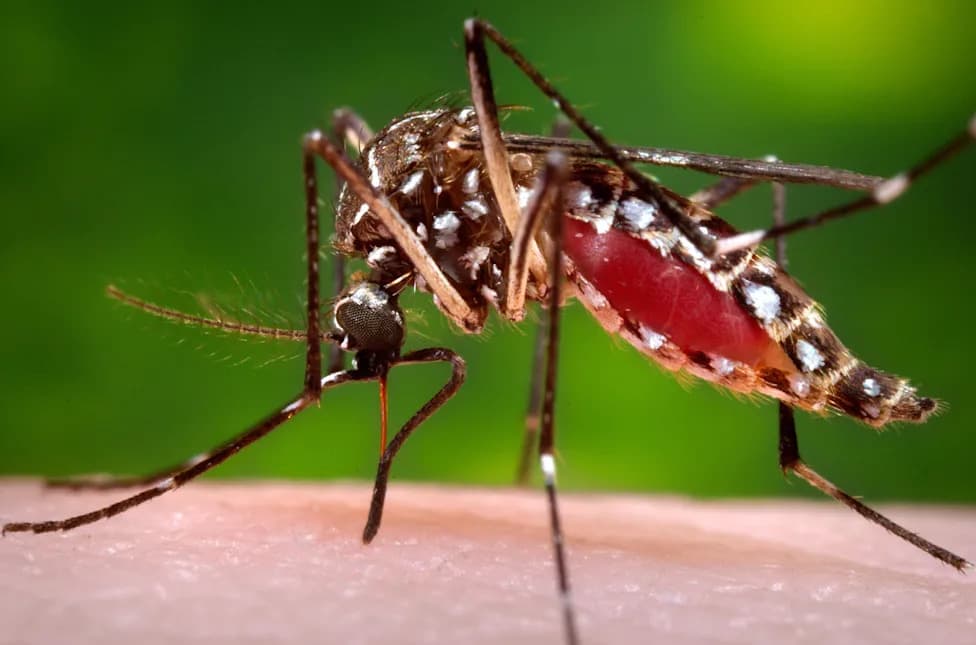
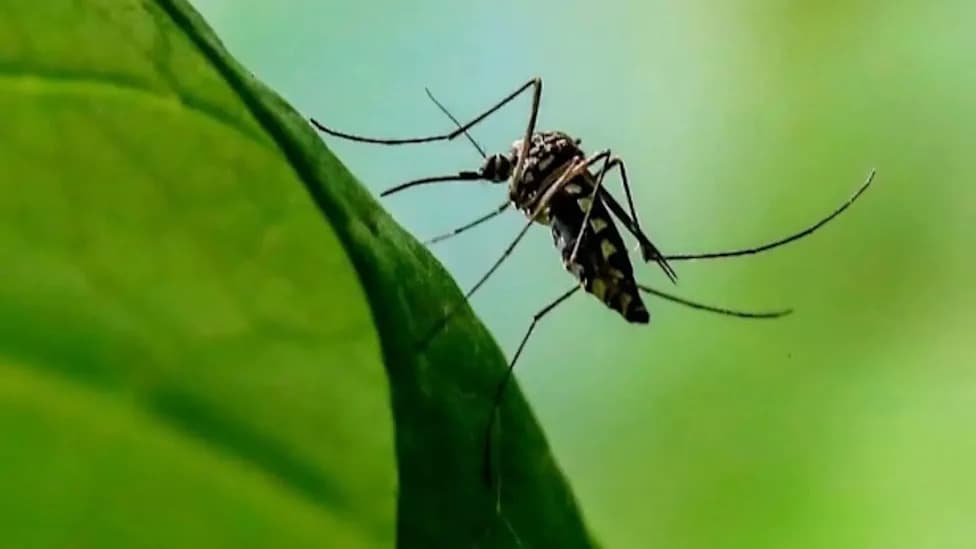
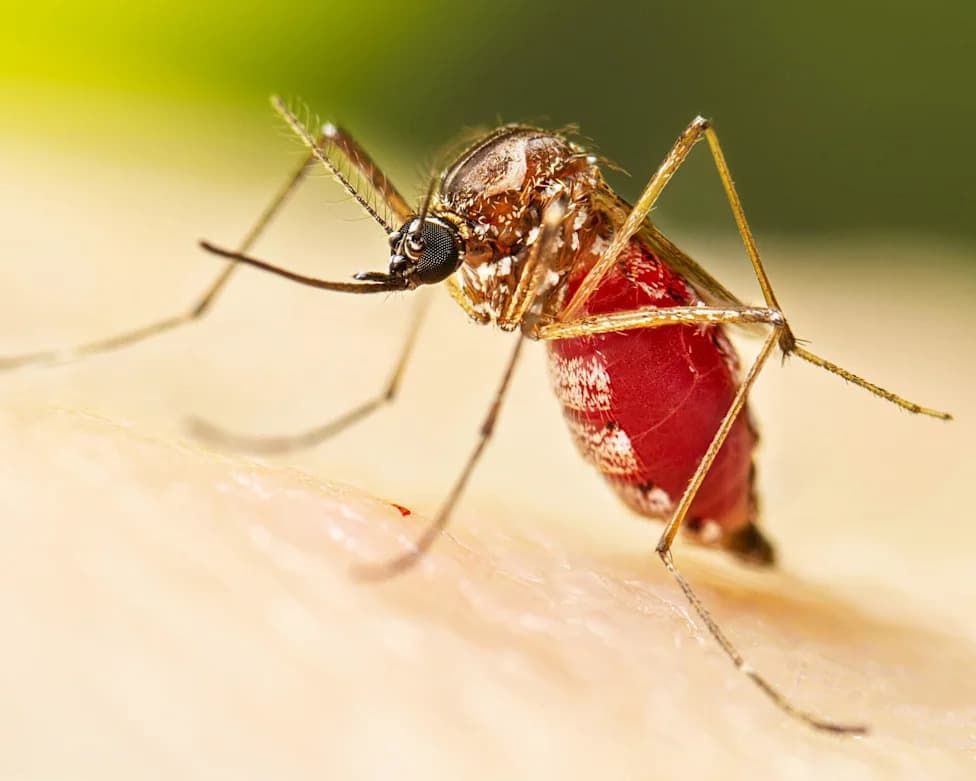
President Trump signed an executive order directing federal officials to launch a campaign to reduce certain invasive mosquitoes in Washington, D.C., by 90% within 60 days and to cut ticks by 50% within two years. The order prioritizes non-chemical control methods, the development of regulatory frameworks for new technologies, and expanded research through prize competitions and public-private partnerships. The move coincides with a dengue outbreak in Florida that has produced 190 locally acquired cases in 2026, prompting several counties to declare states of emergency.
Trump Signs Order to Cut Mosquitoes 90% and Ticks 50% in Washington, D.C.
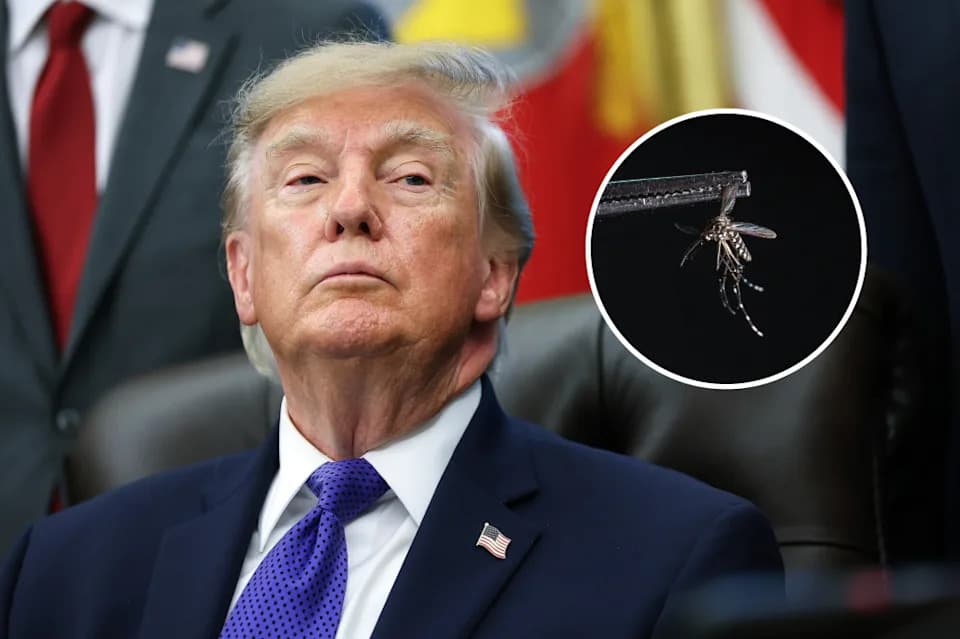
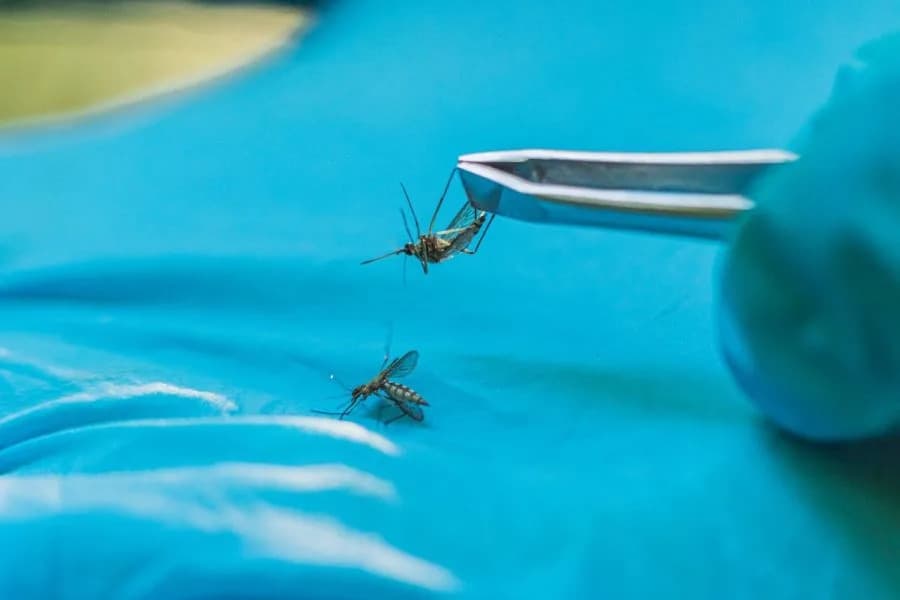
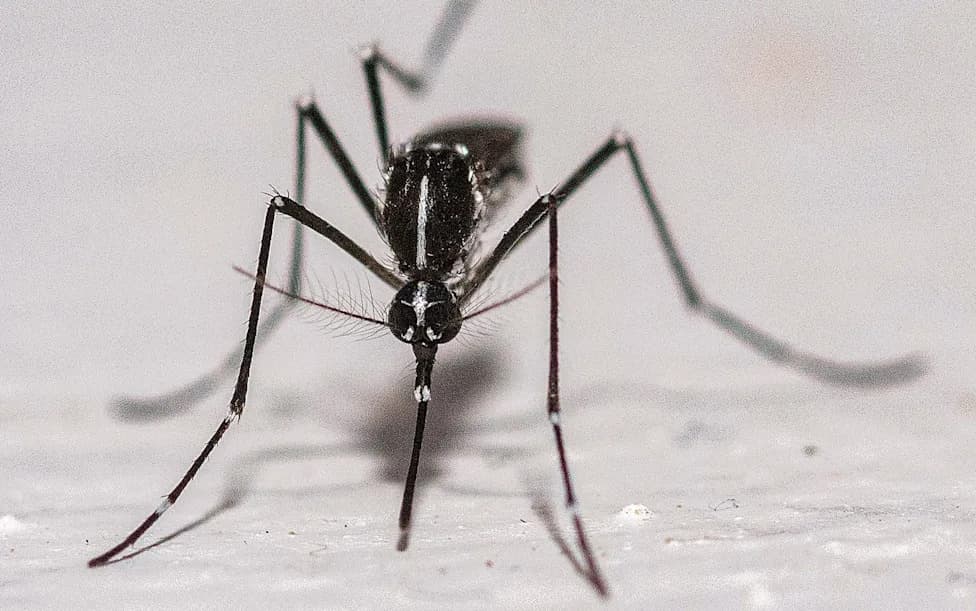
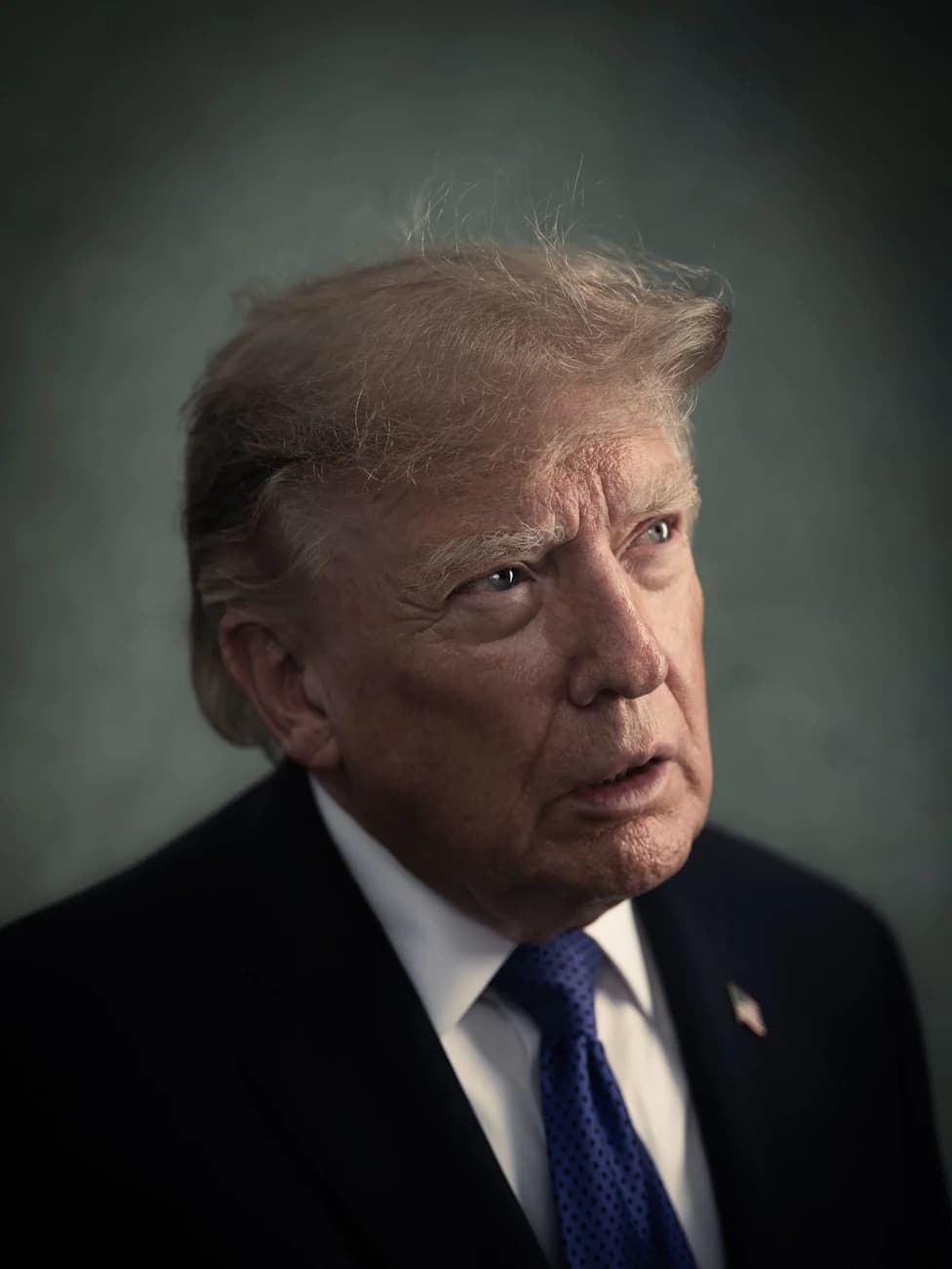
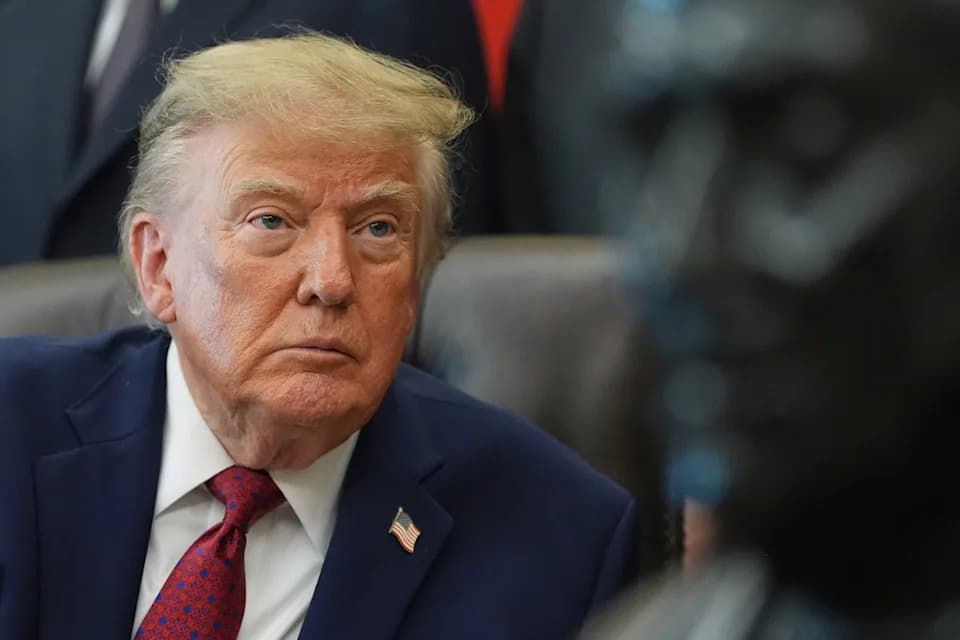
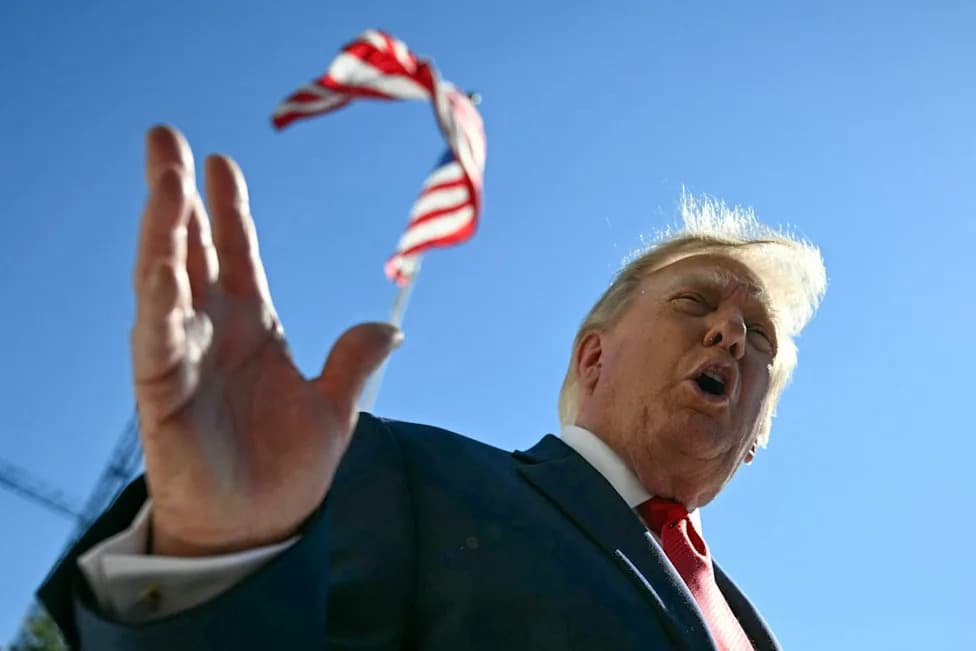
President Donald Trump in the Oval Office at the White House on September 28, 2026. Inset: A dead mosquito examined at a lab in Curitiba, Brazil, on March 19, 2026.
President Donald Trump signed an executive order on Tuesday launching a federal campaign to sharply reduce mosquito and tick populations in the District of Columbia. The directive, issued amid a dengue fever outbreak in Florida, directs federal officials to move quickly to reduce certain invasive mosquito species and curb ticks on federally managed lands in the capital.
Key Provisions
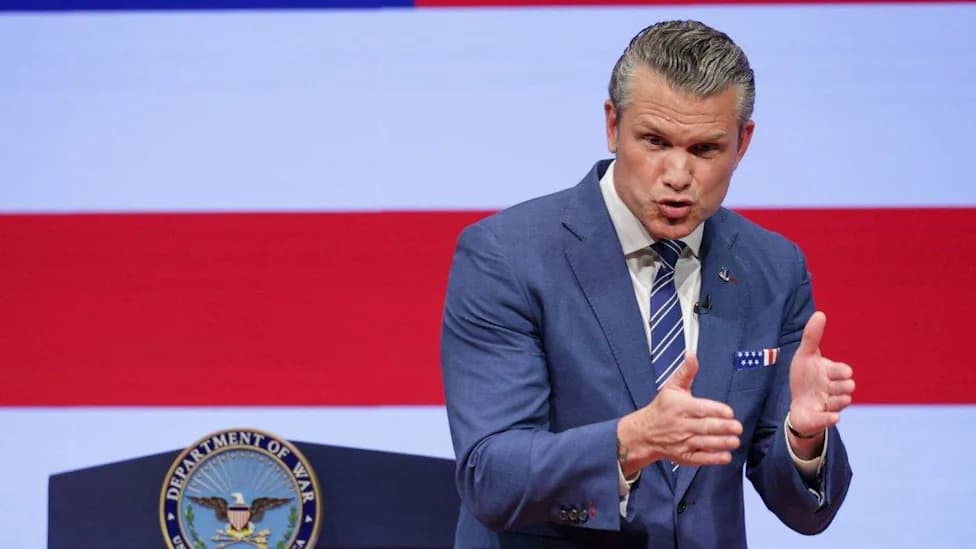
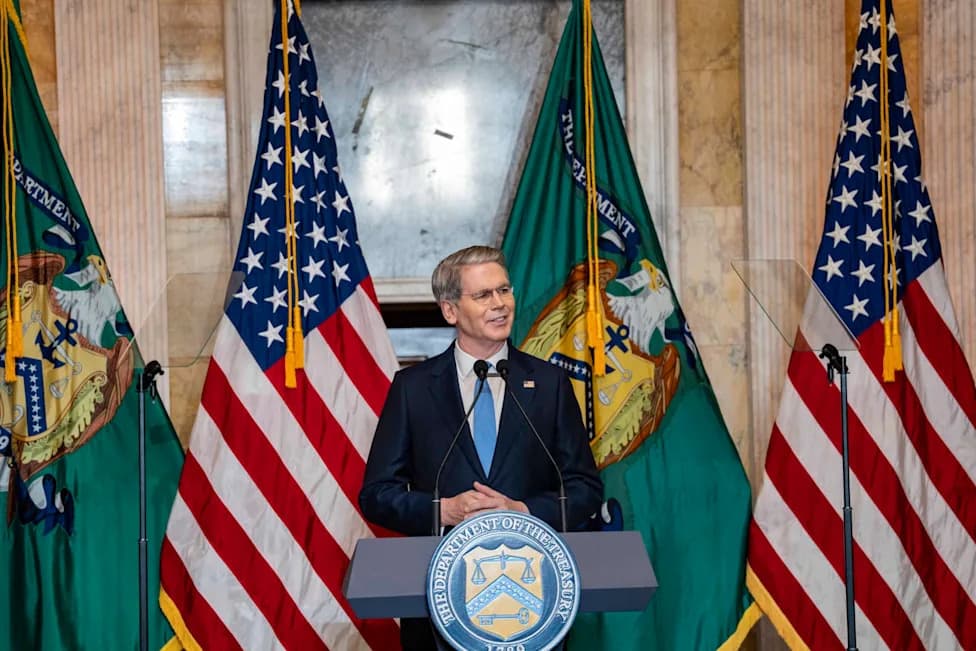
The order tasks Secretary of the Interior Doug Burgum, Agriculture Secretary Brooke Rollins and other federal leaders to "develop and implement a campaign" within 60 days to lower populations of specified invasive mosquitoes by 90 percent. It also sets a goal to cut local tick populations by 50 percent within two years.
The directive instructs agencies to "remediate tick and mosquito breeding grounds on lands subject to Federal jurisdiction throughout D.C. using commonsense and technical approaches," and it emphasizes using "commercial capabilities" or "cooperative agreements" to achieve reductions.
Regulatory and Research Priorities
Several federal agencies are ordered to develop a regulatory framework for emerging mosquito- and tick-control technologies, with an emphasis on non-chemical approaches officials describe as safe and effective. The administration also called for expanded research into preventing and treating vector-borne diseases through prize competitions, federal research programs and public-private partnerships to accelerate innovation.
The order directs health and science agencies to build on existing efforts to combat Lyme disease and other vector-borne illnesses and to evaluate new technologies that could reduce populations of disease-carrying pests.
Federal departments were additionally asked to review labeling options for products that contain significant amounts of alpha-galactose in response to concerns about alpha-gal syndrome, a red-meat allergy linked to some tick bites.
President Donald Trump in the Oval Office at the White House on September 28, 2026. Inset: A dead mosquito examined at a lab in Curitiba, Brazil, on March 19, 2026.
Public-Health Context
The order comes as dengue fever has reemerged in parts of Florida. The Florida Department of Health reported 190 locally acquired dengue cases so far in 2026 across six counties, with Hillsborough County accounting for 170 of those cases. Three Florida counties have declared states of emergency as health officials investigate the outbreak. Local officials have pointed to weather factors, including heavy rainfall, as likely contributors to the surge.
Dengue is a mosquito-borne viral infection transmitted primarily by Aedes aegypti mosquitoes. While the Centers for Disease Control and Prevention notes most U.S. dengue cases occur in travelers, local spread is possible and has increased concern among public-health officials.
Administration Framing
The administration framed the campaign as part of its broader "Make America Healthy Again" agenda and as a complement to recent beautification initiatives in Washington, D.C. The order concludes that Americans should be able to "enjoy the beauty and health of Our Nation's Capital without the threat of widespread invasive ticks and mosquito populations."
Help us improve.