Republican candidates are balancing loyalty to former President Donald Trump with growing voter frustration over aggressive immigration enforcement, the economic costs of the war with Iran and rising living expenses. High-profile Republicans—such as Gov. Jim Justice and Rep. Maria Elvira Salazar—have publicly questioned enforcement tactics, only to face pushback. Higher gasoline and consumer prices and weak approval on cost-of-living handling are intensifying pressure on GOP messaging ahead of the midterms.
GOP Candidates Walk a Tightrope Between Trump Loyalty and Voter Frustration
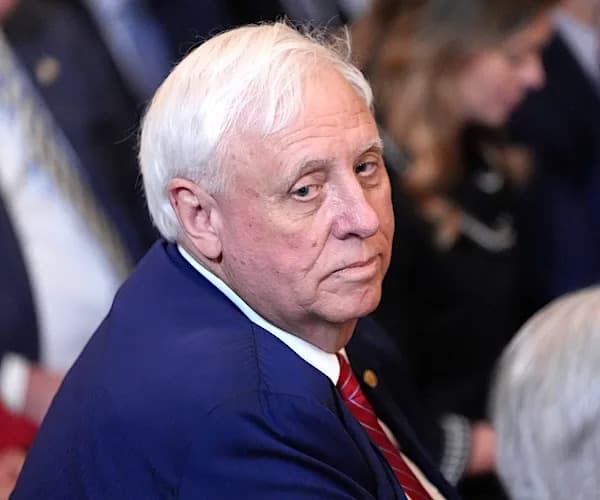
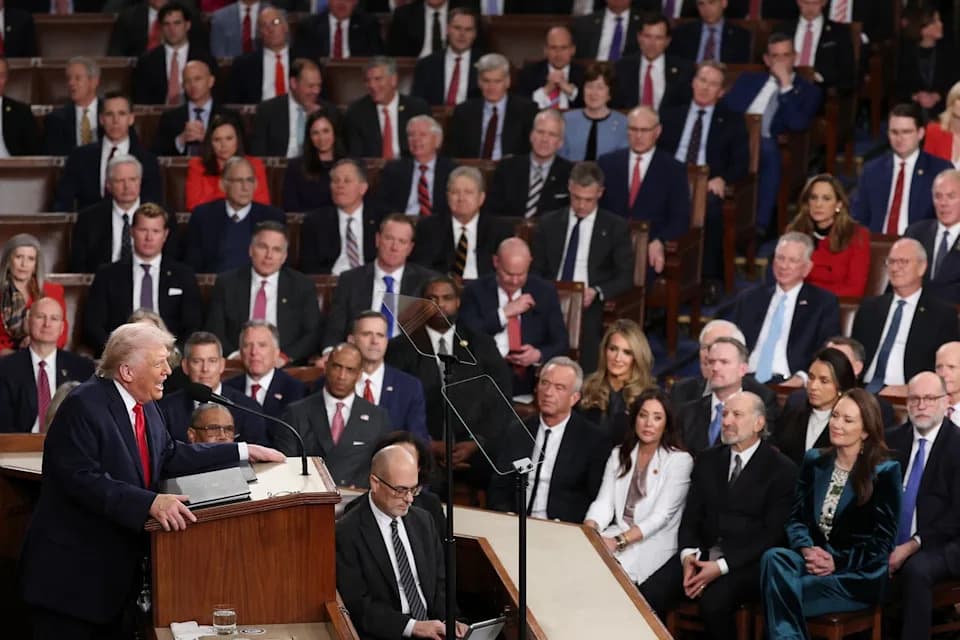
Sen. Jim Justice, R-W.Va., listens as President Donald Trump speaks during an event on energy production in the East Room of the White House, April 8, 2025, in Washington. (Alex Brandon/AP)
Republican candidates are increasingly navigating a difficult political balancing act as loyalty to former President Donald Trump collides with growing voter unease over immigration enforcement, the war with Iran and rising household costs in the run-up to the midterm elections.
Pressure On Immigration Policy
The tension surfaced when Gov. Jim Justice (R-W.Va.) publicly questioned aggressive immigration tactics, telling Politico he was troubled by officers "dragging people away that have lived on your street corner for 15 years," and adding, "I don't know that we need to be doing that stuff." Within a day, Justice clarified his stance: "Let me be crystal clear: I support President Trump's immigration strategy, full stop."
"Dragging people away that have lived on your street corner for 15 years." — Gov. Jim Justice, on immigration enforcement
Rep. Maria Elvira Salazar (R-Fla.), who represents a heavily Hispanic district with many foreign-born residents, similarly appealed to the president in a campaign advertisement: "Mr. President, some of your immigration enforcement efforts have gone too far." Trump responded on social media, and border adviser Tom Homan publicly challenged Salazar to cite a specific example.
At the same time, record Immigration and Customs Enforcement (ICE) arrests and stepped-up enforcement actions affecting businesses and agricultural communities have drawn criticism even from Republicans who broadly support stricter immigration controls.
Economic Strain And The Iran Conflict
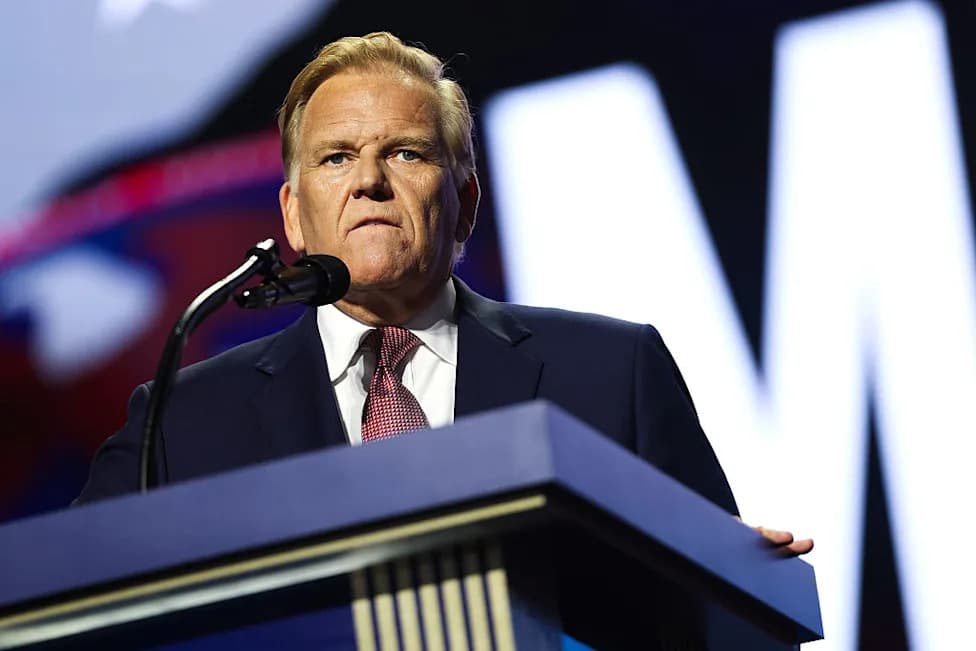
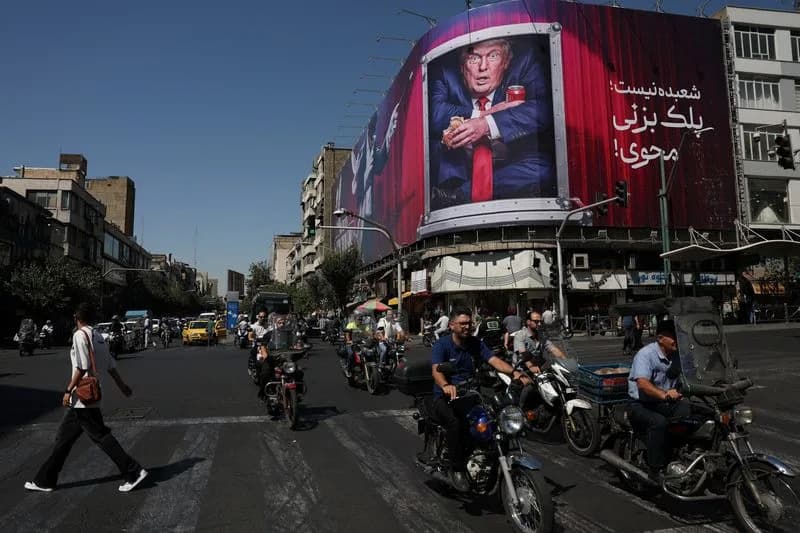
Immigration is not the only source of voter frustration. Several Republican contenders in competitive races have begun distancing themselves from the war with Iran as its economic fallout clashes with the party's affordability message. Michigan Senate candidate Mike Rogers, who previously defended the conflict, recently said, "Michigan families are struggling with the price of everyday life," adding, "The war with Iran needs to end and end quickly." Rep. Ashley Hinson (R-Iowa) made a similar point, saying Iowans "shouldn't have to foot the bill at the pump or the checkout line for the war in Iran."
Those economic impacts are visible in household budgets. AAA reported the national average for regular gasoline was about $4.48 per gallon in late September, compared with roughly $3.13 a year earlier; diesel averaged about $6.45 after hitting a record $6.53 on Sept. 22. Consumer prices were 3.4% higher in August year-over-year, with gasoline rising 3.9% that month and accounting for more than a third of the monthly increase in the Consumer Price Index (CPI).
President Trump's public remarks on energy and the Iran conflict — calling higher gas prices "a very inexpensive price to pay for what we've done" in Iran — have provided Democrats with political ammunition and left some Republican candidates struggling to reconcile defense or foreign-policy positions with voters' immediate financial concerns.
Polling And Political Calculus
Recent AP-NORC polling (Sept. 24–28) found just 17% of Americans approved of Trump's handling of the cost of living and 26% approved of his management of the economy. A follow-up AP-NORC analysis showed registered voters favor Democrats over Republicans on handling the cost of living, 38% to 27%, though respondents expressed low confidence in either party's ability to solve the nation's biggest problems.
For many GOP hopefuls, positions that were easier to defend when policy remained hypothetical are now harder to justify as voters feel the consequences directly. Candidates who criticize ICE tactics risk drawing the president's ire, while those who question the Iran war must reconcile earlier support. Republicans defending tariffs and other economic measures must do so while voters remain focused on rising prices.
As the midterms approach, Republicans face a strategic test: respond to constituent frustration without appearing to abandon a dominant party figure who urges them to campaign as if he were on the ballot.
Reporting referenced: Politico, AAA gasoline data, AP-NORC surveys.
Help us improve.