In short: Trump calls GOP woes a messaging problem, but public opinion and economic reality tell a different story. Persistent inflation (about 3.4%), gas above $4 per gallon, and mortgage rates over 7% make affordability a visible voter concern. Polls increasingly blame Trump for rising prices, and repeated overpromises and dismissive rhetoric have compounded the political damage. Without changes to policy and messaging, blaming the messenger won’t be enough.
Trump Blames GOP Trouble On Messaging — But Voters Point To Results
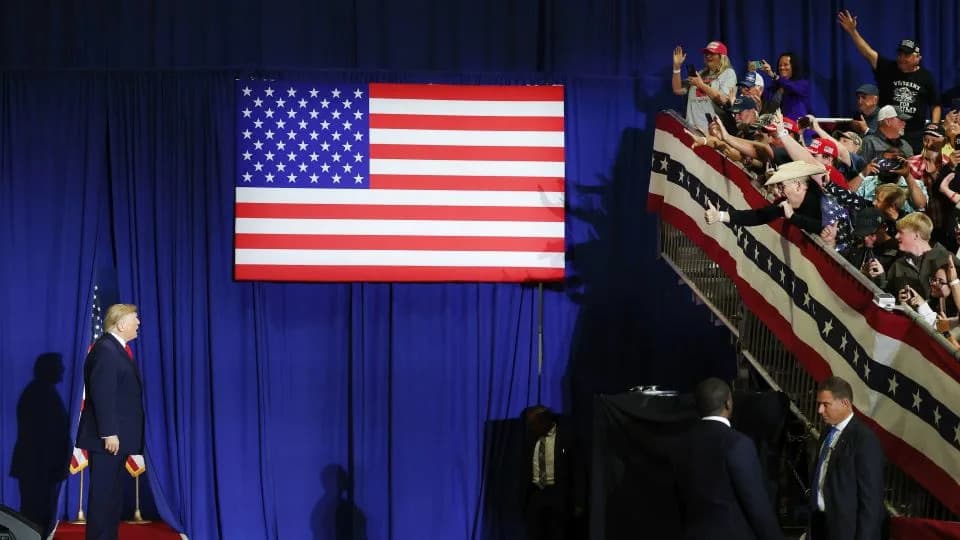
President Donald Trump enters before speaking during a campaign rally with Oklahoma Republican gubernatorial candidate Mike Mazzei at the Choctaw Event Center on October 1, in Durant, Oklahoma. - Kevin Dietsch/Getty Images
President Donald Trump has lately insisted the Republican Party’s problems ahead of the 2026 midterms come down to poor messaging, not poor governance. He repeatedly described the issue as a public-relations failure rather than a failure of results, saying his administration is doing "an extremely great job of running the country" but falling short at "promotion."
Why The Messaging Claim Falls Short
This defense is familiar: politicians across the spectrum often argue that they haven’t done a good enough job explaining successes. But in Trump’s case the issue is twofold: both the substance of his policies and the way he talks about them undermine his argument.
Visible Pocketbook Pain
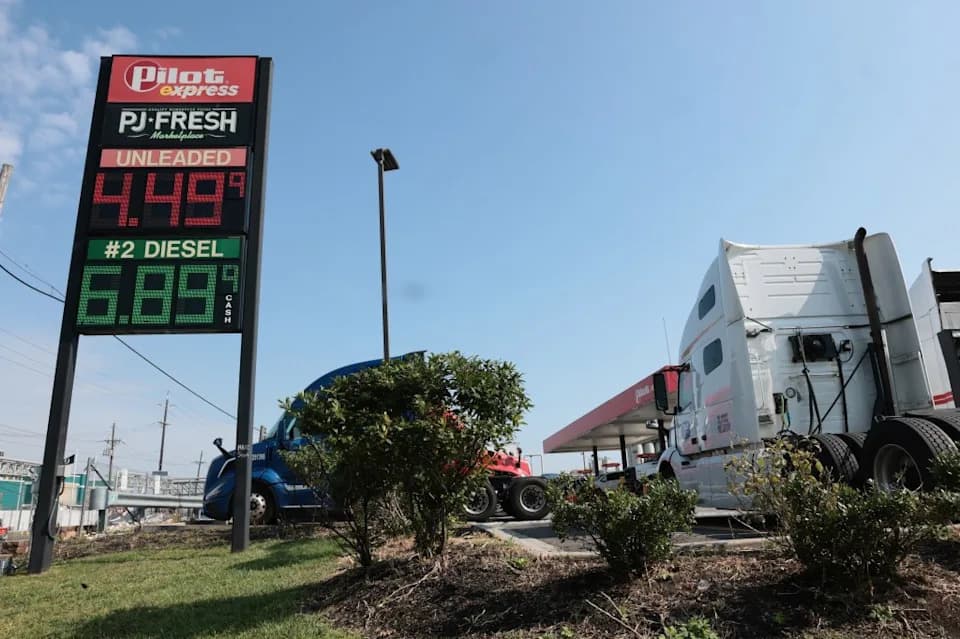
Economic indicators and everyday experience undercut the idea that only messaging is to blame. Inflation stands at about 3.4% (up from roughly 3% when Trump took office), gas prices routinely top $4 per gallon, and mortgage rates remain above 7%. These are tangible costs voters feel in their households — and they are central to how people evaluate economic performance.
Polling Shows Public Frustration
Recent polling reflects mounting public skepticism of the administration’s economic stewardship. AP-NORC polling finds 65% of Americans now mostly blame Trump for high prices (up from 44% who blamed Biden ahead of the 2022 midterms). A Marquette Law School poll showed 64%–18% that voters think Trump’s proposals would continue to increase inflation, and only 41% of Republicans believe his plans would reduce it. CBS and CNN polls indicate 78% and 73% of Americans, respectively, feel the administration has not focused enough on lowering prices or on the country's most important problems.
Messaging Errors — Overpromises and Dismissals
Two consistent communication failures stand out. First, Trump repeatedly overpromised on pocketbook items: pledges such as gas under $2 per gallon, mortgage rates below 3%, and cutting energy prices in half within 12 months have not materialized. Voters are unlikely to forgive unfulfilled promises that affect everyday finances.
Second, Trump has often downplayed inflation and affordability. Calling affordability a "hoax," asserting prices are falling despite many consumers’ contrary experience, and emphasizing controversial White House renovations instead of concrete affordability measures have undermined public confidence.
Policy Choices And Political Ownership
Beyond messaging, several of the administration’s policy choices — notably global tariffs and actions related to the Iran conflict — have raised concerns among economists and voters that they could raise prices. Because Trump has been in office for 20 months and campaigned on quick fixes, the "I inherited this problem" defense has less purchase. Polls taken after the administration’s tariff announcement showed a majority of voters attributing current economic conditions to Trump’s policies rather than to what was inherited.
Conclusion
Trump is partly correct that messaging matters. But blaming poor public relations ignores the deeper problem: substantive economic results, persistent price pressures, and communication that has too often promised more than it delivered. Unless the administration addresses both policy outcomes and the tone and content of its messaging, simply blaming the messenger is unlikely to reverse voter attitudes.
Help us improve.