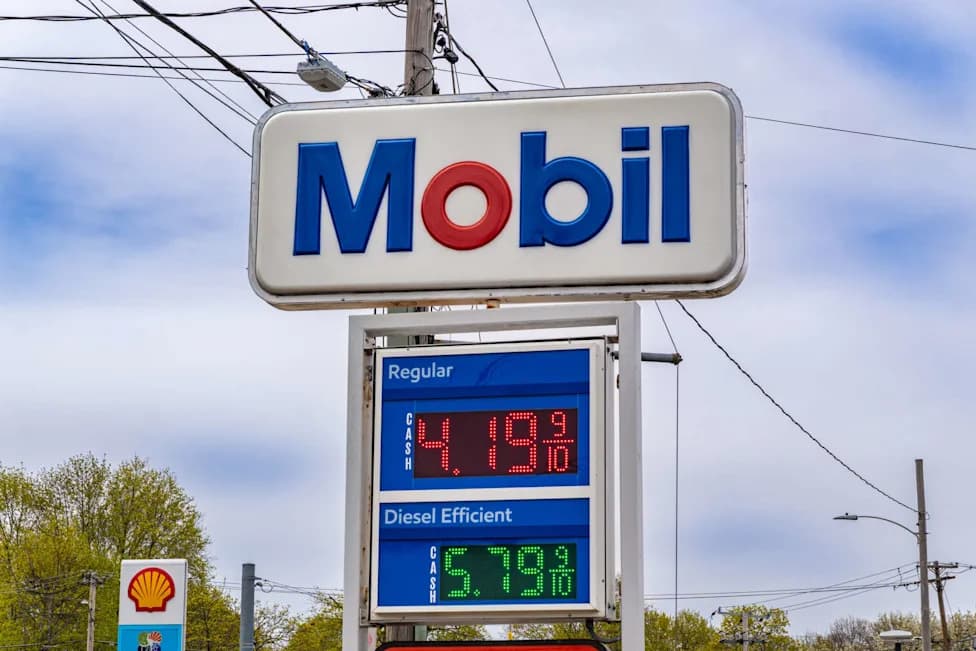
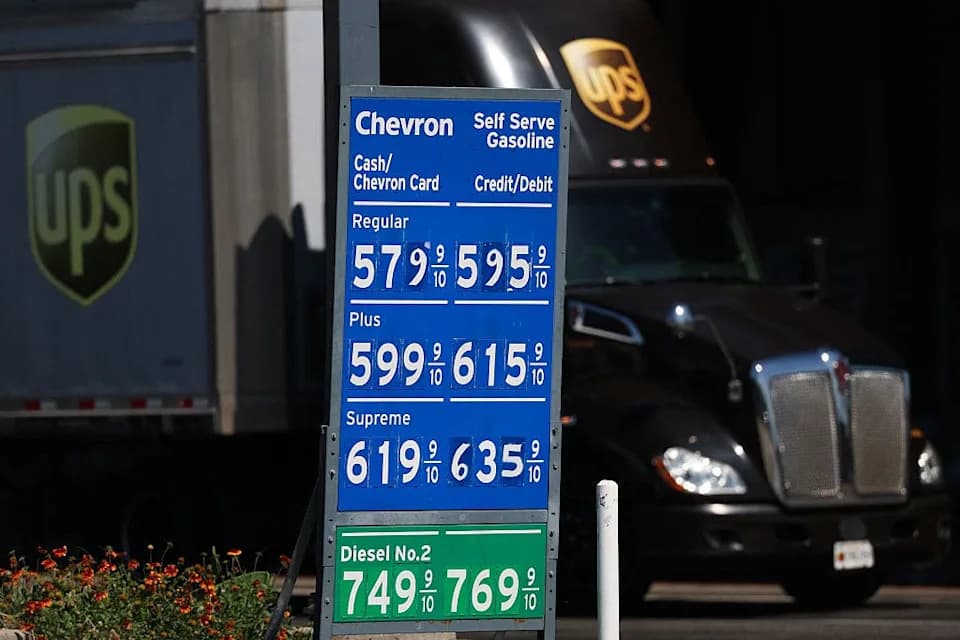
Diesel prices in the US have hit a record $6.52/gal, up from $3.63 at the start of 2025, driven by supply shocks tied to conflicts involving Iran and Ukraine. The surge disproportionately affects pickup owners, truckers and farmers — groups central to Trump’s base — and could become a political liability. Proposed measures like a diesel export ban might bring only temporary, uneven relief and could disrupt refinery operations and trade partners. Critics warn such short-term fixes risk broader economic fallout and international retaliation.
Diesel Price Shock: Record $6.52/gal Could Cost Trump Key Voters
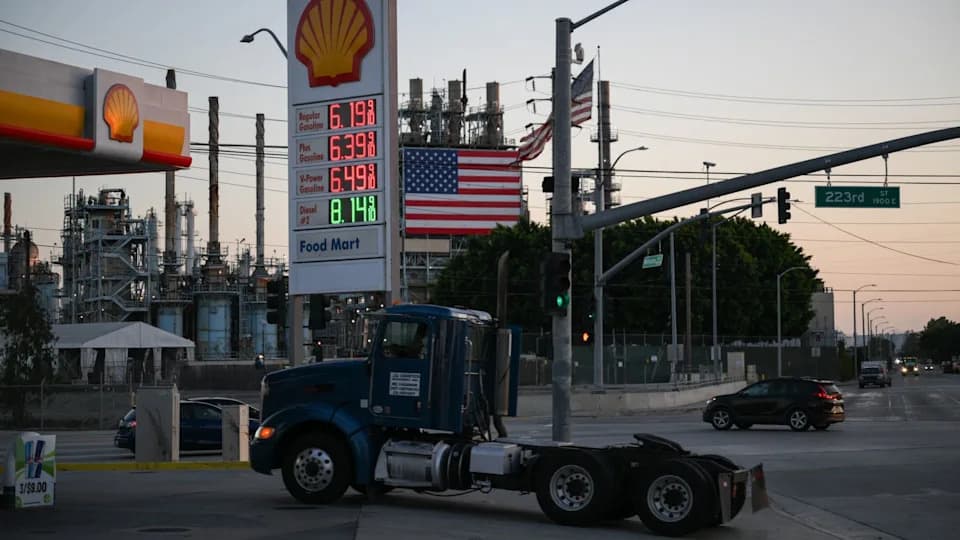
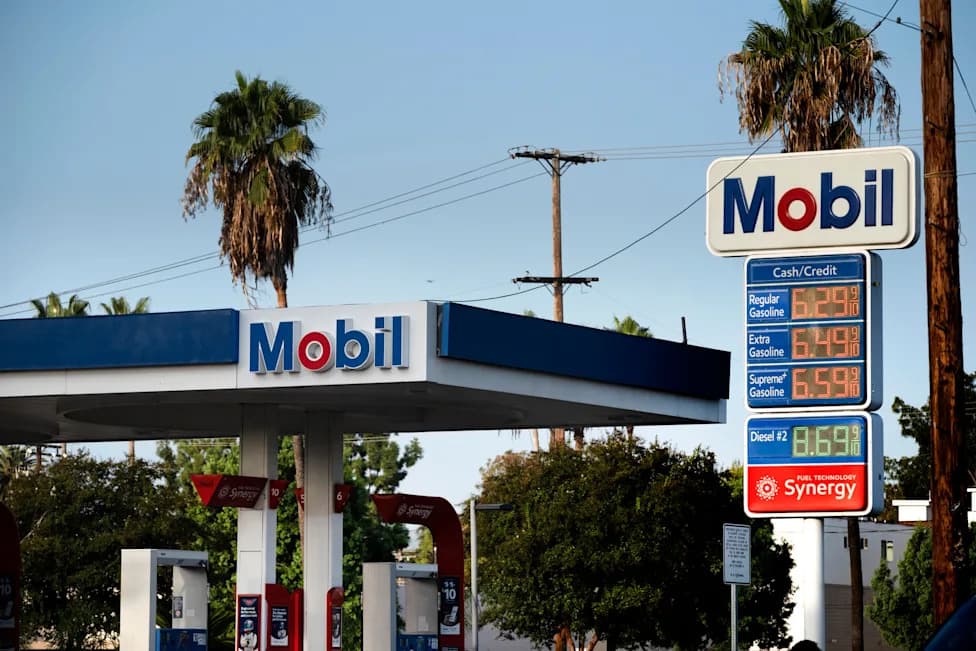
Prices hit a record high of $6.52 a gallon in the US last week, up from an average of $3.63 at the start of 2025. | Credit: Patrick T. Fallon / AFP / Getty Images
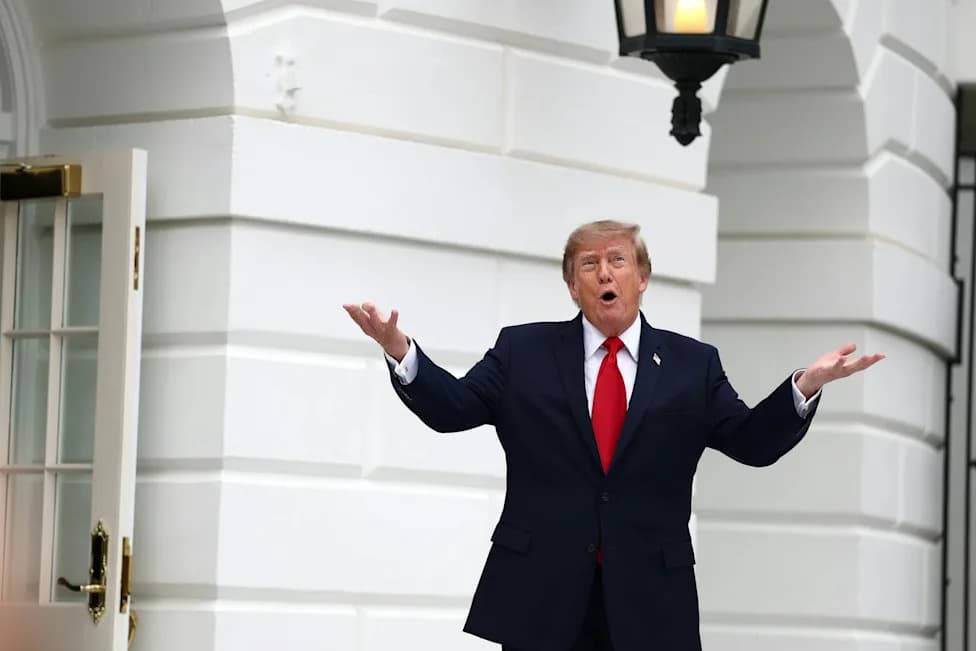
Diesel prices in the United States have surged to a record $6.52 a gallon, up from an average of $3.63 at the start of 2025 — a jump that threatens to hit some of Donald Trump’s most reliable voters hardest. Supply disruptions tied to geopolitical tensions involving Iran and Russia’s war in Ukraine have tightened global diesel markets, pushing costs sharply higher and putting pressure on drivers, farmers and small businesses that depend on diesel.
What’s Driving the Spike?
Several factors combine to explain the rapid rise in diesel prices. Disruptions to supply chains and refinery operations from international conflicts have reduced available diesel on world markets. Meanwhile, domestic logistics — especially pipeline constraints — keep much US diesel production concentrated near Gulf Coast refineries, limiting the fuel’s reach to regions that need it.
Who Is Most Exposed?
Pickup owners, long-haul truck drivers, and farmers — sometimes called the "diesel class" — face steeper operating costs as diesel climbs. For rural and manufacturing communities in swing states, higher fuel costs translate into smaller margins for farm businesses, higher transport costs for goods, and more expensive deliveries for consumers.
“The beautiful but simple word 'groceries'… I won on that word,”
That old campaign refrain underscores how household costs can sway voters; diesel now looks like the next pocketbook issue that could reshape political calculations.
Would an Export Ban Help?
The administration has reportedly considered banning US diesel exports as a politically attractive, quick fix. While an export ban might temporarily lower local prices near refining hubs, analysts warn it would provide only short-lived and regionally uneven relief. Regions that depend on imports — notably the Northeast and West Coast — could see higher prices if global supplies shrink.
There are also practical and international consequences. Gulf Coast refineries that cannot export would quickly run into storage limits and likely reduce output, not just of diesel but also of related fuels such as petrol and jet fuel. Export-reliant trading partners — for example, Mexico, the UK and the Netherlands — could suffer supply shocks and might retaliate economically or politically.
Political Risk and the Midterms
Critics say the export-ban option reflects a willingness to prioritize short-term political optics over long-term policy consequences. If opinion polls worsen before the midterms, the temptation to pursue a rapid, visible fix could grow, but the move risks alienating the very voters the administration aims to protect.
Bottom Line
Record diesel prices are a tangible economic pressure point for voters in key states. Policy responses such as an export ban may offer headline-grabbing relief, but they carry logistical limits and broader economic and diplomatic costs that could backfire politically and economically.
Help us improve.